《Born to Be Alive》 S1·E27 (20:32)
HSK 5
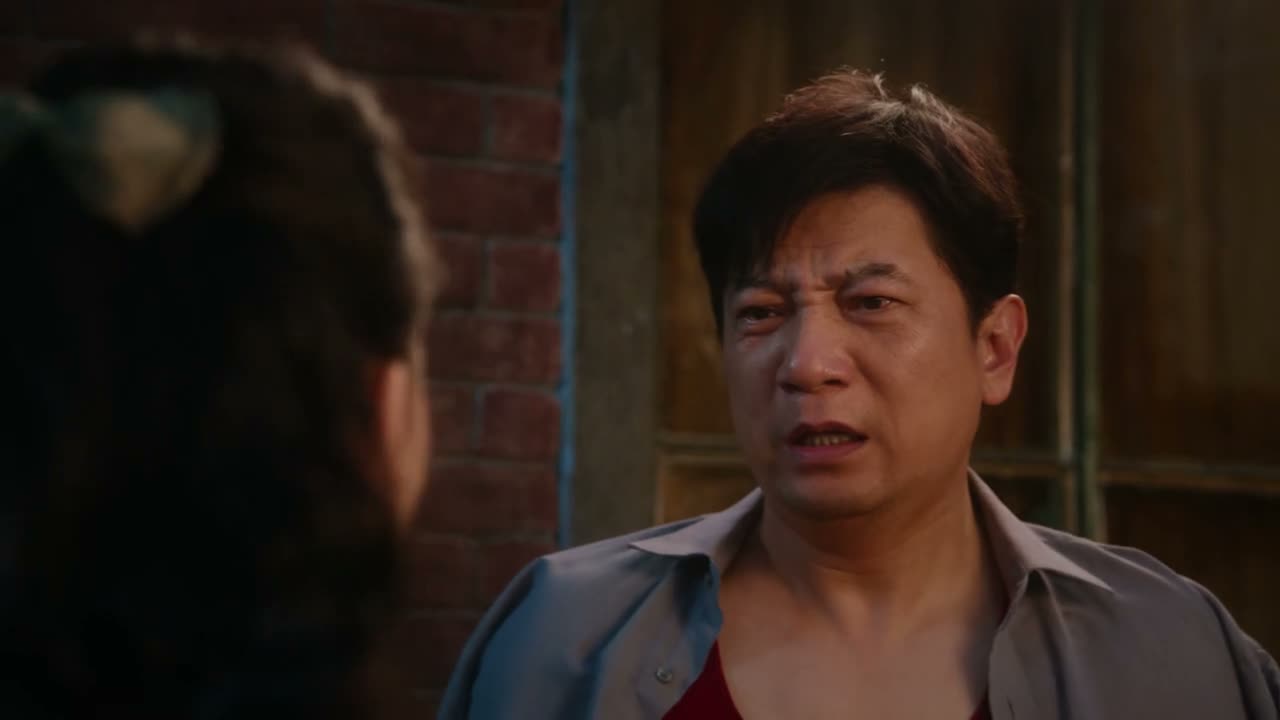
nǐ zhè shì gàn shén me nǐ zhè shì gàn shén me ya
你这是干什么 你这是干什么呀
“What's this for? What's this for?”
《Born to Be Alive》
S1·E27
TIMECODE: 20:32
·
1080P MASTER AUDIO
THE DIALOGUE REEL
[-1] PREVIOUS TURN
kàn yī yǎn
看一眼
“Take a look.”
nǐ zhè shì gàn shén me nǐ zhè shì gàn shén me ya
CURRENT FOCUS
你这是干什么 你这是干什么 呀
“What's this for? What's this for?”
[+1] FOLLOW-UP TURN
wáng jiě de ér zi wáng jiě yòu shì shuí a lái wǒ men yī yuàn kàn bìng de
王姐的儿子 王姐又是谁啊 来我们医院看病的
“He's Ms. Wang's son. Who is Ms. Wang? She came to our hospital as a patient.”
Subtitles synced to millisecond timecode
Browse Show Clips →
Scene:
Medical & Health
Function:
PROTESTING BOUNDARY
Tone:
PROTESTING
Emotion:
ANNOYANCE
WHAT THEY REALLY MEAN (PRAGMATIC SUBTEXT)
“Back off! What gives you the right to do this to me?”
💡 Cultural Insight: Repetition for Boundary Defense
Duplicating a rhetorical question like '你这是干什么' is a typical spoken strategy in Chinese to immediately demand justification and establish boundaries.
INTENT TAGS:
#protest
#boundary_setting
#annoyance
#confrontation
🧩
1 CHUNKS · 1 PARTICLES
LEARNING CHUNKS & PARTICLES
你这是干什么
SPOKEN CHUNK
What are you doing? / What is this all about?
A highly frequent reactive expression used to challenge sudden, inappropriate, or bewildering actions.
Modal Particle「呀」 (ya)
CHANGE OF STATE
Heightens emotional intensity and urgency, expressing exasperation or distress in the repeated question.
🏮
2 EXPR · 0 GRAMMAR
VOCABULARY & EXPRESSIONS
COLLOQUIAL EXPRESSIONS:
CROSS-CINEMA CORPUS BOARD · PARALLEL SCENES
EXPLORE BY SEMANTIC SIMILARITY
Parallel Spoken Cinema Scenes (语义近邻切片)

《Born to Be Alive》 S1·E27 (20:32) · Authentic Cinema Dialogue Corpus