你看这次来 也没留你吃饭 实在不好意思啊
“I didn't ask you to stay for a meal. I'm really sorry for you.”
THE DIALOGUE REEL
就不麻烦您了
“I won't bother you.”
你看这 次来 也没留 你吃 饭 实在不好意思 啊
“I didn't ask you to stay for a meal. I'm really sorry for you.”
没有 没有
“No, no.”
“Please don't think I am neglecting you; I value your visit even though circumstances did not allow a meal.”
In Chinese culture, a host is expected to offer a meal to guests. If unable to do so, a sincere apology is socially mandatory to avoid appearing neglectful or stingy.
LEARNING CHUNKS & PARTICLES
truly embarrassed / terribly sorry
An essential idiomatic polite formula used to express modest regret for an oversight in etiquette or hospitality.
invite you to stay for a meal
A conventional host duty collocation; failing to do this often warrants an explicit polite apology.
Softens the closing apology, making it sound warm, sincere, and personal rather than mechanical.
VOCABULARY & EXPRESSIONS
Parallel Spoken Cinema Scenes (语义近邻切片)

“It turns out that you didn't just come here for dinner either.”

“You didn't go. I'm not hungry.”
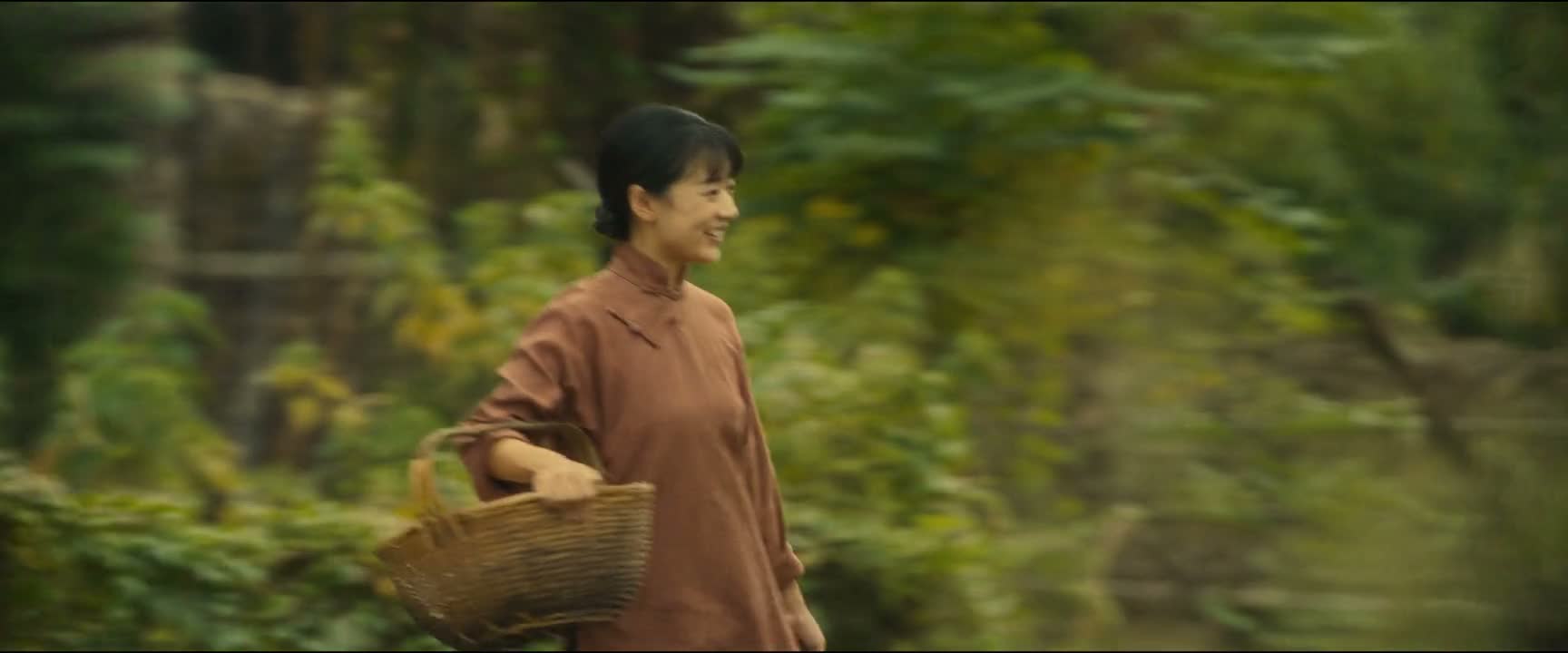
“No, thanks. Haven't eaten yet? Not yet. I can do it myself.”

“I won't keep you around for dinner.”

“Why did you come so late? I had no appetite while you were gone.”

“Are you starving? Come on. There's plenty more.”