不用了 还没吃饭哪 没呢 我自己来
“No, thanks. Haven't eaten yet? Not yet. I can do it myself.”
THE DIALOGUE REEL
张团长 你那样干不对 要不要帮忙啊 小月姑娘
“Commander Zhang, you're not doing it right. Do you need help? Miss Xiaoyue,”
不用了 还没吃饭 哪 没呢 我自己来
“No, thanks. Haven't eaten yet? Not yet. I can do it myself.”
刘叔 下地了
“Uncle Liu, you went to the field.”
“Thanks for offering, but I don't want to trouble you; I can manage this fine.”
Politely turning down assistance ('不用了, 我自己来') is standard etiquette to avoid imposing on neighbors, often coupled with food-related pleasantries.
LEARNING CHUNKS & PARTICLES
no need; no thank you
The standard polite way to decline an offer of help, service, or items in everyday spoken Chinese.
I'll do it myself
Used to assert self-reliance and politely prevent others from feeling obligated to help.
Softens the refusal '不用', indicating a shift in status rather than a harsh rejection.
Softens the tone of the question inquiring about whether someone has eaten.
Acts as a conversational hedge confirming an ongoing negative state (not yet eaten).
VOCABULARY & EXPRESSIONS
Parallel Spoken Cinema Scenes (语义近邻切片)
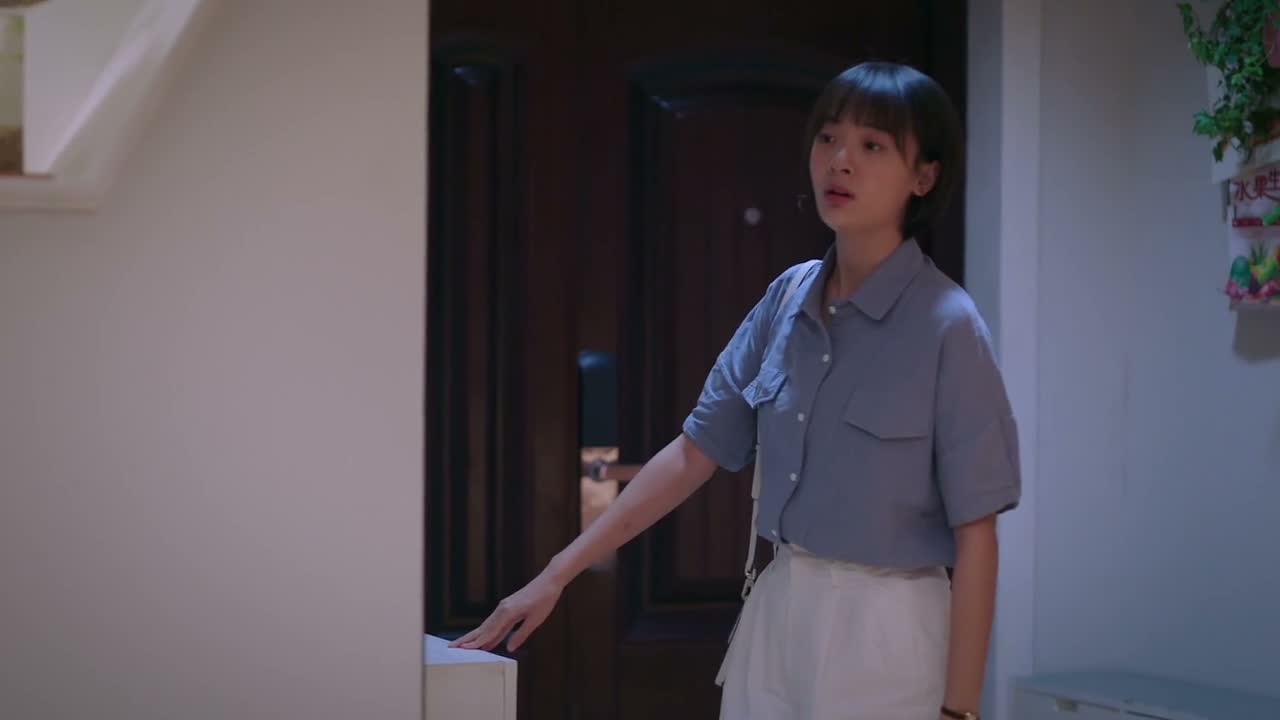
“No, thanks, I have no appetite.”
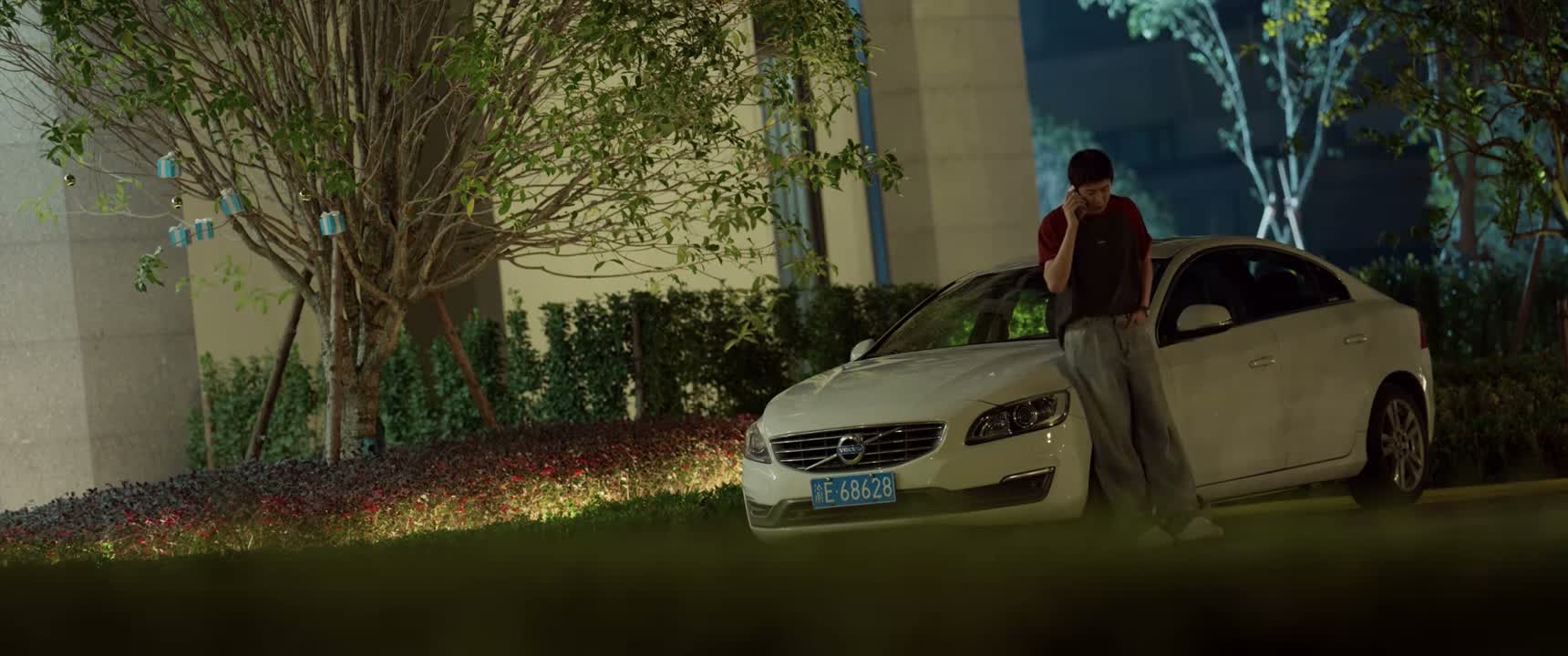
“No need, I'll head back on my own later.”

“No need. I'll go back myself.”

“It's fine. You can go rest.”

“No need. Don't trouble yourself.”

“No need. I... I can do it myself.”