把爸妈丢在农村
“leaving his parents in the countryside.”
THE DIALOGUE REEL
“He lives the high life all by himself,”
把爸妈 丢在农村
“leaving his parents in the countryside.”
“They're in their seventies or eighties,”
“How can you be so selfish and heartless to abandon your aging parents?”
Leaving elderly parents unattended in rural areas while living lavishly is considered a severe moral failing in Chinese society.
LEARNING CHUNKS & PARTICLES
to dump or abandon someone somewhere
Commonly used in spoken Chinese to convey cold abandonment or neglect rather than neutral placement.
VOCABULARY & EXPRESSIONS
Parallel Spoken Cinema Scenes (语义近邻切片)

“bringing your parents into this.”
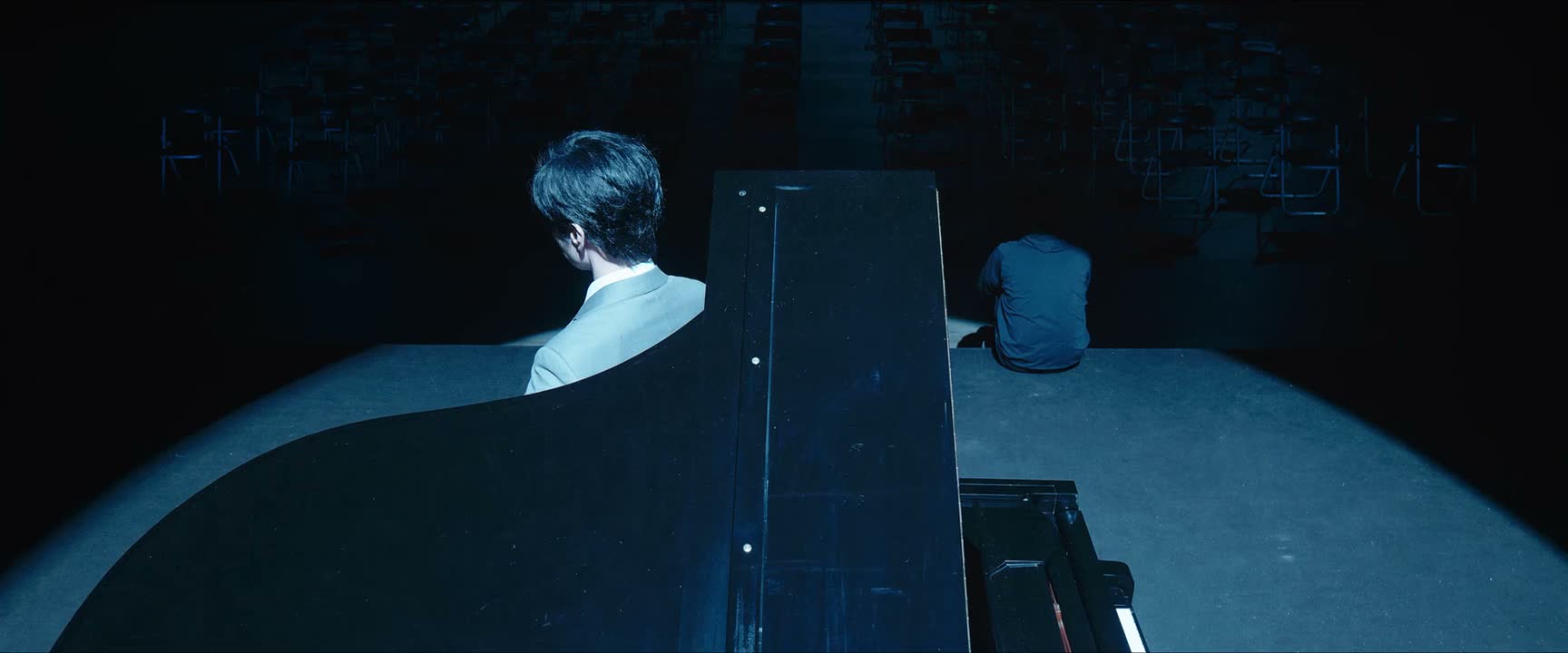
“Dad's factory in the mountains was also taken down.”

“Besides them, you have other relatives.”

“It was a sheer disgrace.”

“and cut off contact with my parents.”

“Your mother left you,”