MC
MandarinClips Cinema Corpus
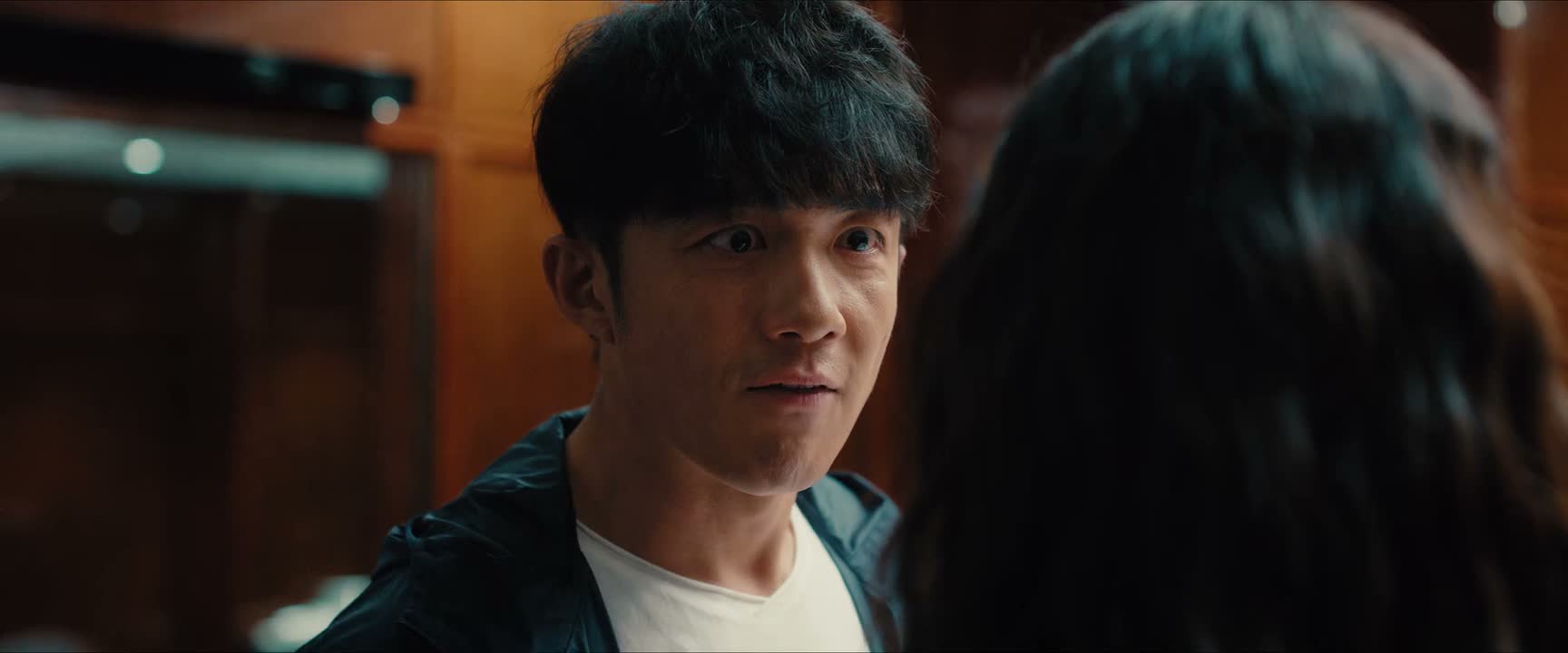
《Vanished Name》 S1·E30 (06:54) HSK 7
zhè shì wǒ dé tì tā káng nà wǒ shì shuí

这事我得替她扛 那我是谁

“I have to take the blame for her. (Then who am I?)”

《Vanished Name》 S1·E30
TIMECODE: 06:54 · 1080P MASTER AUDIO

THE DIALOGUE REEL

1+1+1 SPOKEN CONTINUITY
[-1] PREVIOUS TURN nǐ shì tā qīn mā hái zi chū liǎo shì

“(You're her mother?) Since she got into trouble,”

zhè shì wǒ dé tì tā káng nà wǒ shì shuí CURRENT FOCUS

这事我得 替她扛 那 我是谁

“I have to take the blame for her. (Then who am I?)”

[+1] FOLLOW-UP TURN nǐ bié guǎn le

你别管了

“Stay out of it.”

Subtitles synced to millisecond timecode Browse Show Clips →
Scene: Family & Home
Function: ASSERTING RESPONSIBILITY
Tone: RESOLUTE
Emotion: DETERMINATION
WHAT THEY REALLY MEAN (PRAGMATIC SUBTEXT)
“I am her mother, so taking the hit for her is non-negotiable.”
💡 Cultural Insight: Parental Self-Sacrifice

Traditional Chinese parental culture emphasizes unconditional sacrifice, where a parent feels fundamentally obliged to absorb all legal, financial, or social penalties on behalf of their child.

INTENT TAGS: #responsibility #determination #self_affirmation #defiance
🧩

LEARNING CHUNKS & PARTICLES

2 CHUNKS · 1 PARTICLES
替她扛 SPOKEN CHUNK

to shoulder it for her; to bear the burden on her behalf

A colloquial idiom meaning to take the blame, hardship, or financial cost for someone else.

那我算谁 SPOKEN CHUNK

then who am I supposed to be?; what is my role then?

Rhetorical question used to validate one's essential role, implying that failing to act would make one's identity meaningless.

Modal Particle「那」 (na) CHANGE OF STATE

Used initially to connect logically with the previous point and launch a defensive counterargument.
🏮

VOCABULARY & EXPRESSIONS

2 EXPR · 0 GRAMMAR
CROSS-CINEMA CORPUS BOARD · PARALLEL SCENES

Parallel Spoken Cinema Scenes (语义近邻切片)

EXPLORE BY SEMANTIC SIMILARITY
《Vanished Name》 S1·E30 (06:54) · Authentic Cinema Dialogue Corpus