你怎么又来了呀 我今天约了朋友见面
“Why are you here again? I'm going to see a friend today.”
THE DIALOGUE REEL
小哥
“Ziqiu.”
你 怎么又来了 呀 我 今天 约了 朋友 见面
“Why are you here again? I'm going to see a friend today.”
今天没什么人啊
“It's quite empty today.”
“You are crowding my space today, and I do not have time to entertain you.”
While Chinese family dynamics tolerate unannounced pop-ins, modern younger adults increasingly push back to negotiate their independent social lives.
LEARNING CHUNKS & PARTICLES
why are you here again / what brings you back again
A spoken phrase signaling mild irritation or surprise at repetitive, unannounced appearances.
made plans with / scheduled an appointment with
Commonly used in spoken Chinese to indicate pre-existing social commitments.
Softens the bluntness of the complaint, keeping it within friendly, informal bounds.
VOCABULARY & EXPRESSIONS
Parallel Spoken Cinema Scenes (语义近邻切片)

“Why are you here? When did you say that? Yesterday. Did you?”

“You're here again? So much trouble, huh?”

“Not this again. Stop looking for shortcuts. Just go in there”
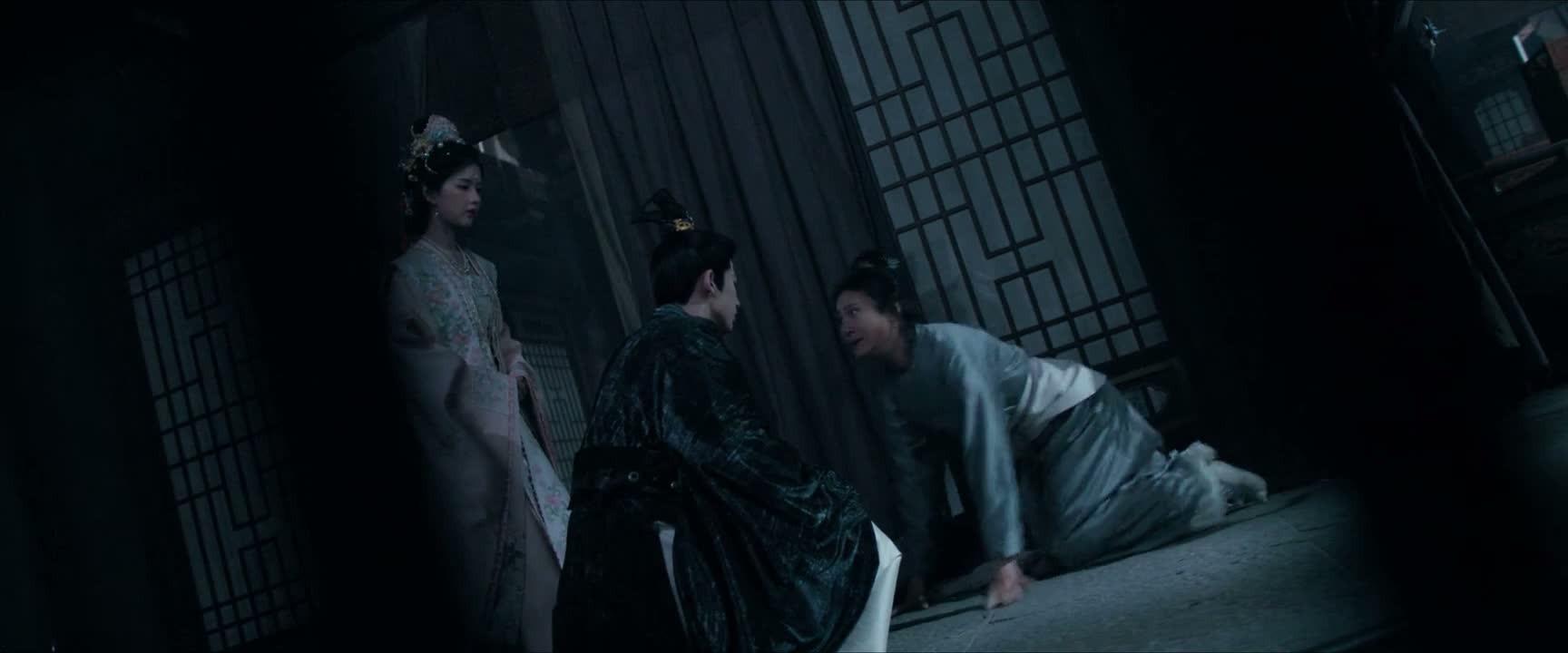
“Why have you returned?”
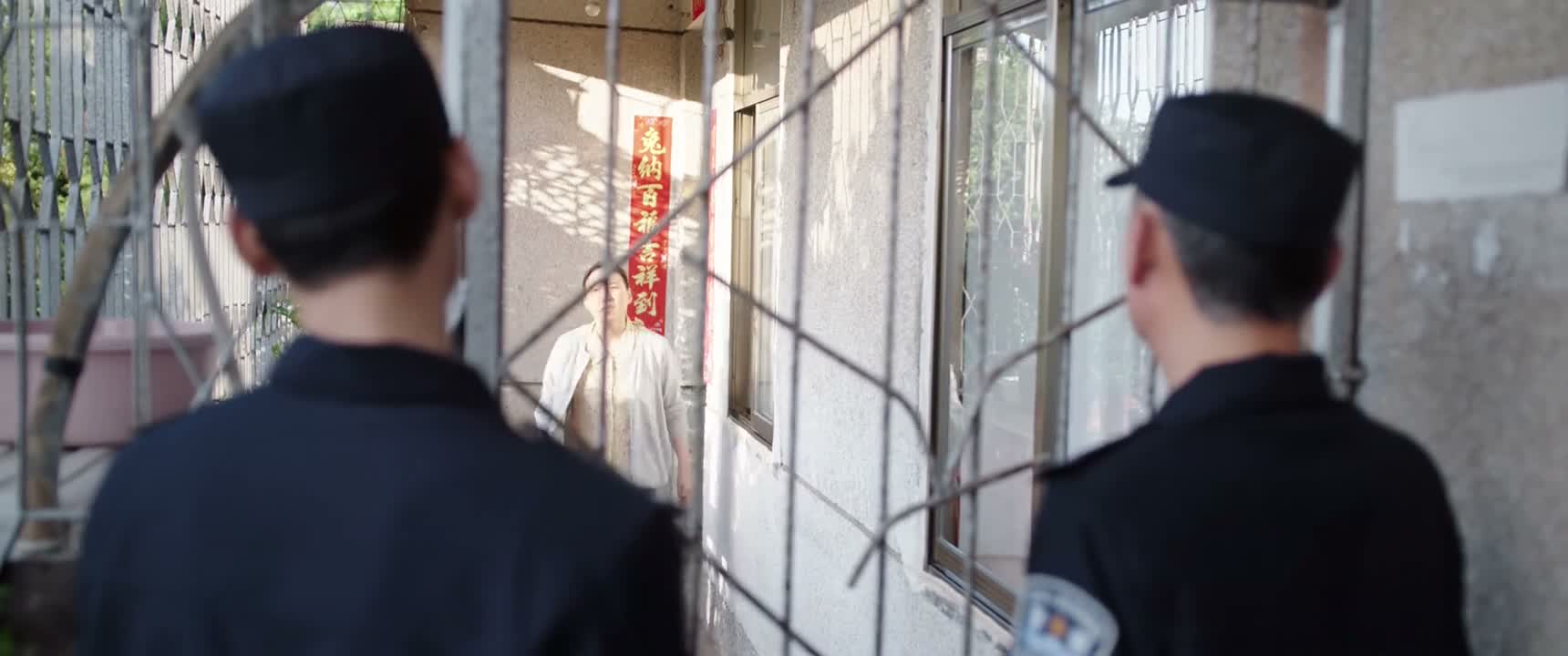
“Why are you here again?”

“Why are you here again?”