出了趟差 大忙人
“- I haven't seen you these days. - I was on a business trip. Busy man.”
THE DIALOGUE REEL
东明来了 老王 这几天在公司没看到你嘛
“Dongming. Wang. - I haven't seen you these days. - I was on a business trip.”
出了趟差 大忙人
“- I haven't seen you these days. - I was on a business trip. Busy man.”
一会儿我请你喝杯咖啡
“I'll buy you a coffee later.”
“I was away on work, but you're always running around too!”
Playfully calling a colleague '大忙人' (big shot/busy person) is a common way to build camaraderie by indirectly praising their importance to the team.
LEARNING CHUNKS & PARTICLES
went on a business trip
A standard spoken collocation using the measure word 趟 to describe a completed business trip.
busy person / big shot
Used playfully to address a colleague or friend who is always hard to catch.
VOCABULARY & EXPRESSIONS
Parallel Spoken Cinema Scenes (语义近邻切片)

“Business trip? That must be a special business trip.”

“What brings you here?”

“Hu Da has an errand outside the palace.”
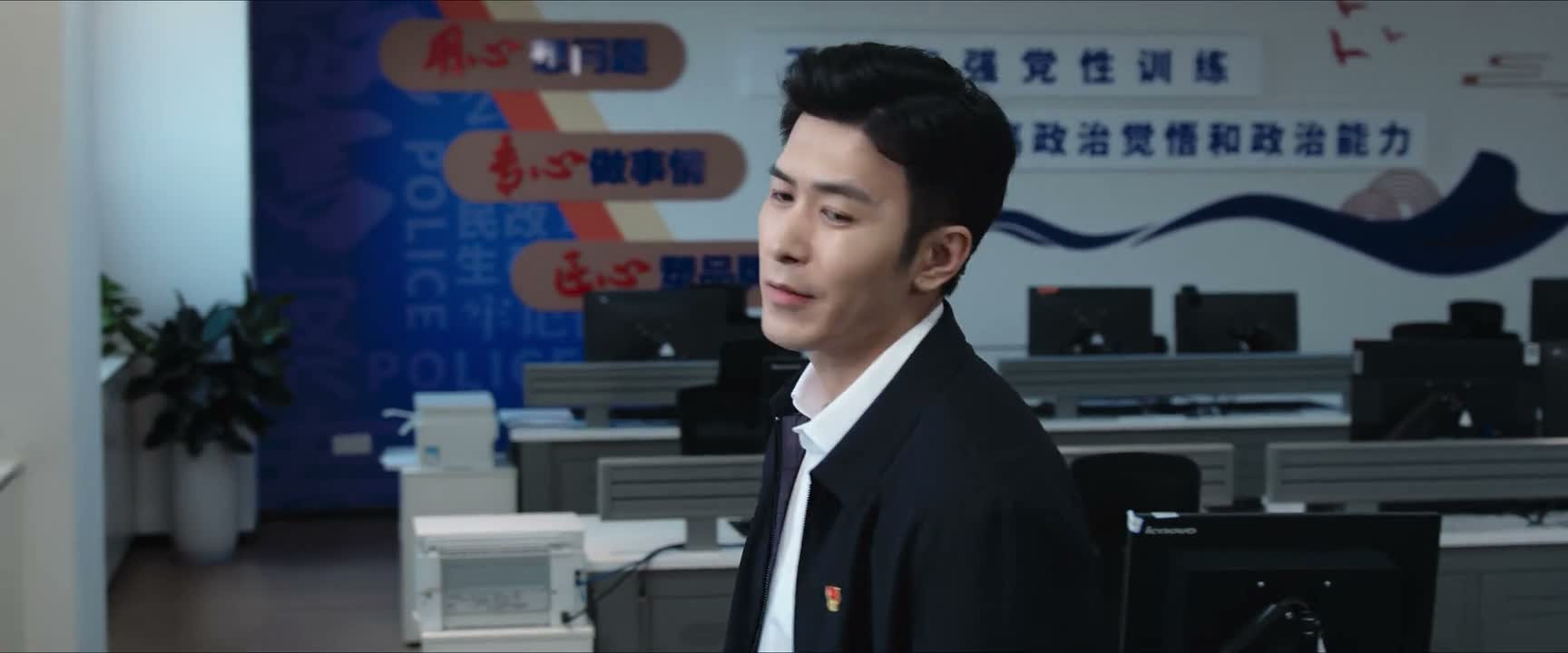
“Now they're all busy people,”
“I was absolutely slammed today.”
“I can't handle this all by myself.”