应该说是 她父母离开以后
“rather, after her parents left,”
THE DIALOGUE REEL
“Ever since Simu became the Sovereign,”
应该说是 她父母 离开以后
“rather, after her parents left,”
她整个人都变了
“she changed completely.”
Direct spoken expression in this communicative setting.
Direct references to death (死) are often avoided in Chinese polite conversation, substituting softer terms like '离开' (to leave) to soften the emotional blow.
LEARNING CHUNKS & PARTICLES
it would be more accurate to say that; more precisely
Used to refine, correct, or offer a more nuanced perspective on a prior claim in conversation.
after passing away / after departing
Here, '离开' serves as a common gentle euphemism for dying or passing away.
VOCABULARY & EXPRESSIONS
Parallel Spoken Cinema Scenes (语义近邻切片)

“Does she feel embarrassed by her parents?”

“Do you mean her mother has agreed,”

“Did she go back because of our family?”
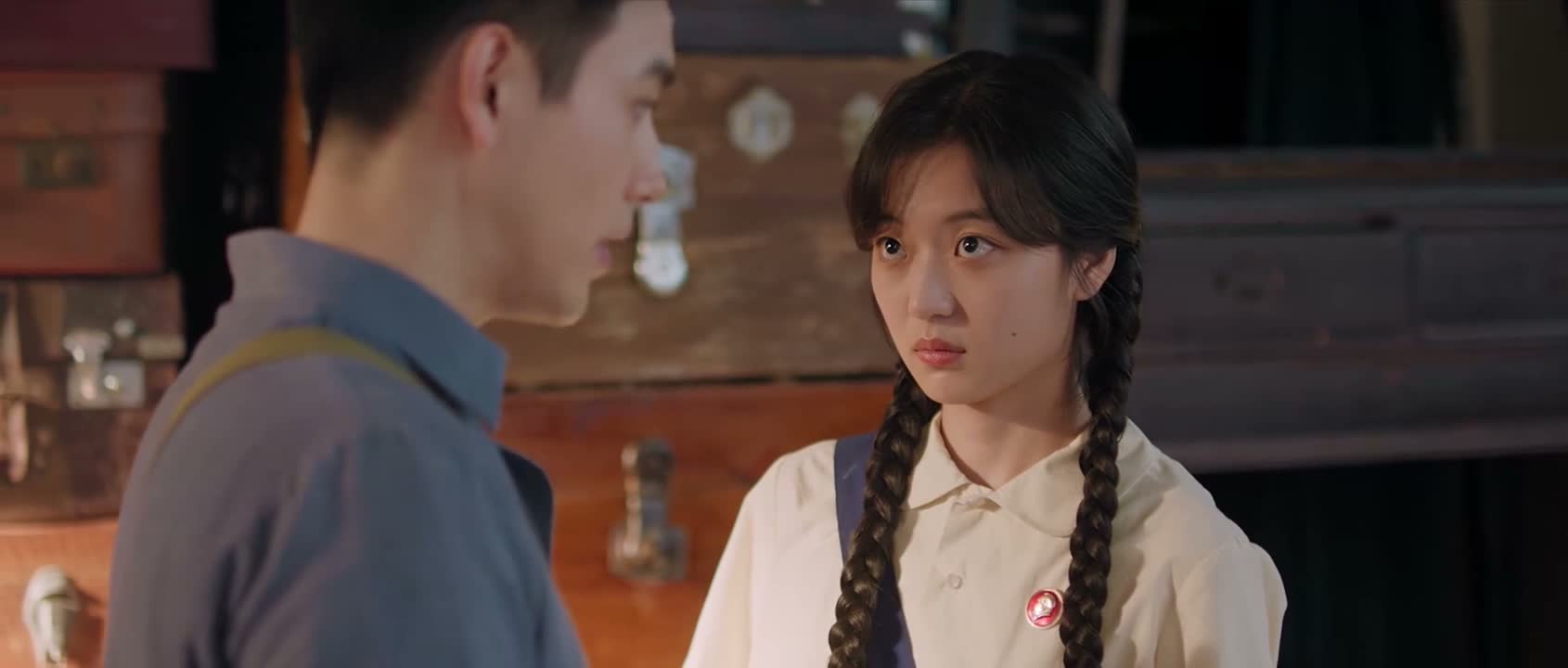
“And what about your parents?”

“with the money from his parents. Do you think that's good?”

“For her, that might not be a good thing.”