无须再向朕请命了
“There is no need to petition me again.”
THE DIALOGUE REEL
听命就是
“you are to obey.”
无须 再 向朕 请命 了
“There is no need to petition me again.”
不是听令陛下
“I am not asking for an order.”
Direct spoken expression in this communicative setting.
The first-person pronoun was exclusively reserved for reigning emperors in imperial China following the Qin dynasty, signifying supreme sovereign authority.
LEARNING CHUNKS & PARTICLES
no longer necessary to / there is no need to
A formal, literary negative construction equivalent to spoken '不用再'.
request orders from the Emperor
Exclusive to historical costume dramas where a monarch instructs a subordinate official or general.
Marks a change of state, indicating that requesting permission is no longer required from this point onward.
VOCABULARY & EXPRESSIONS
Parallel Spoken Cinema Scenes (语义近邻切片)
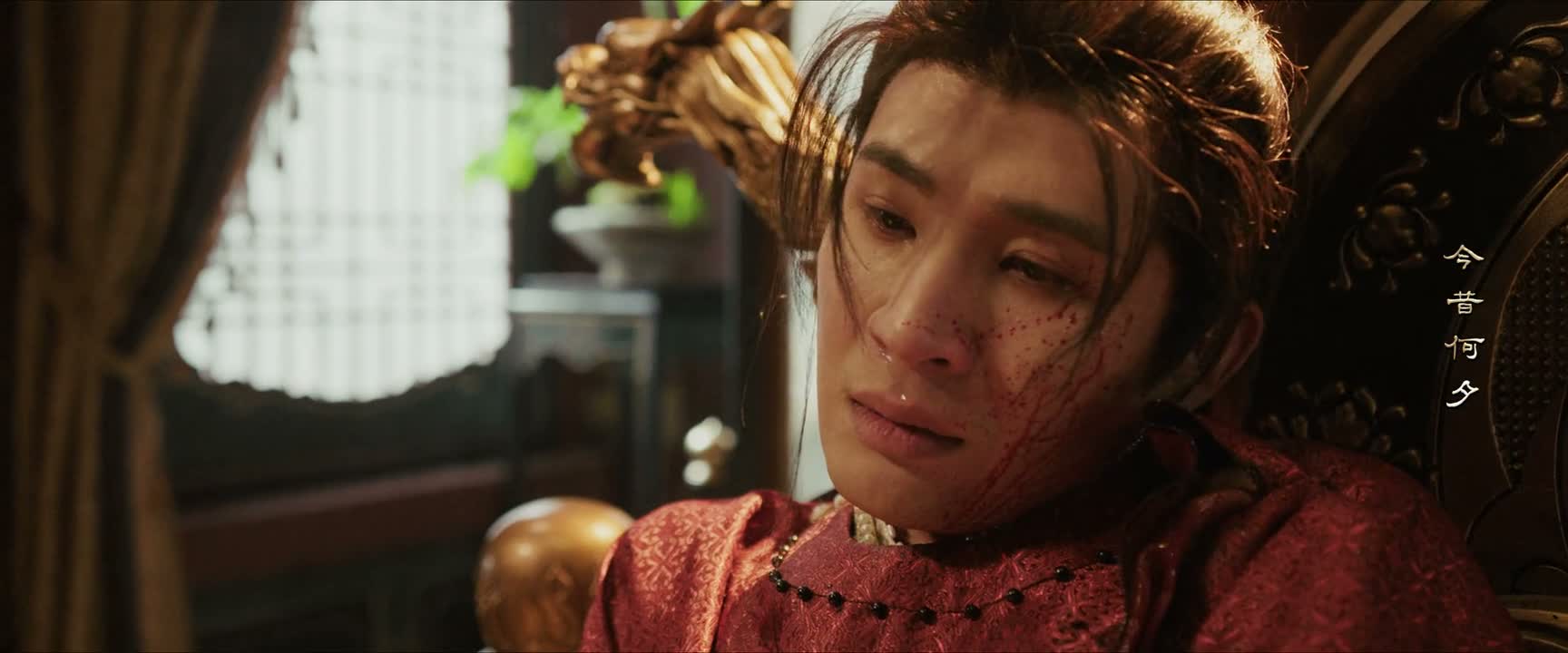
“♪ What's the date today? ♪ I don't want to be an emperor anymore.”
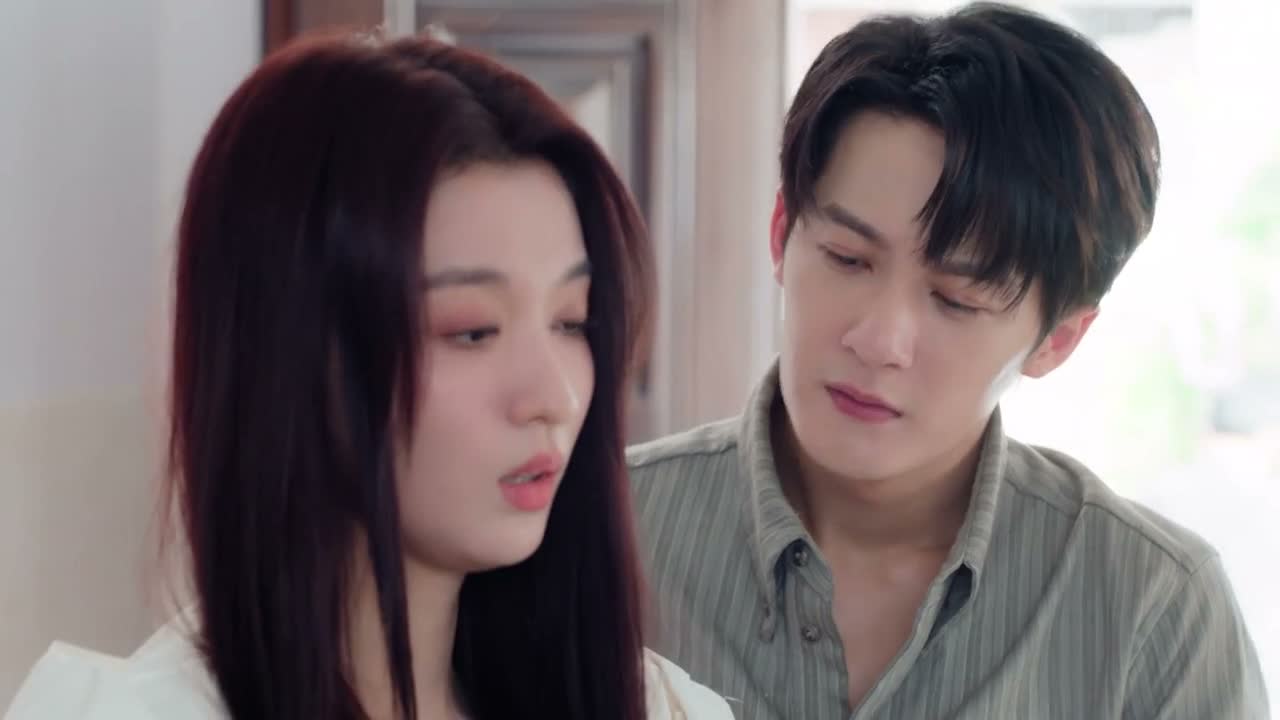
“You're willing to risk your life just to get back to Hejing?”
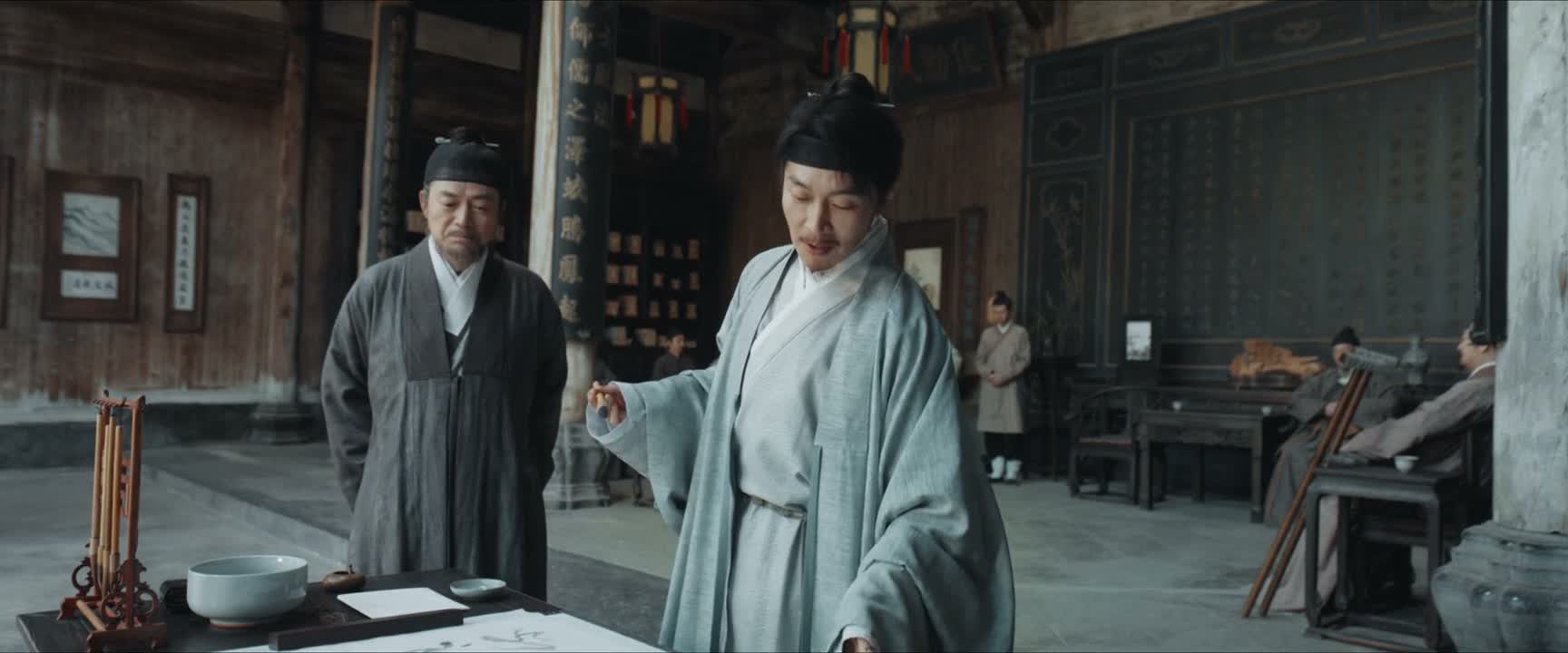
“there's no need to discuss this further.”