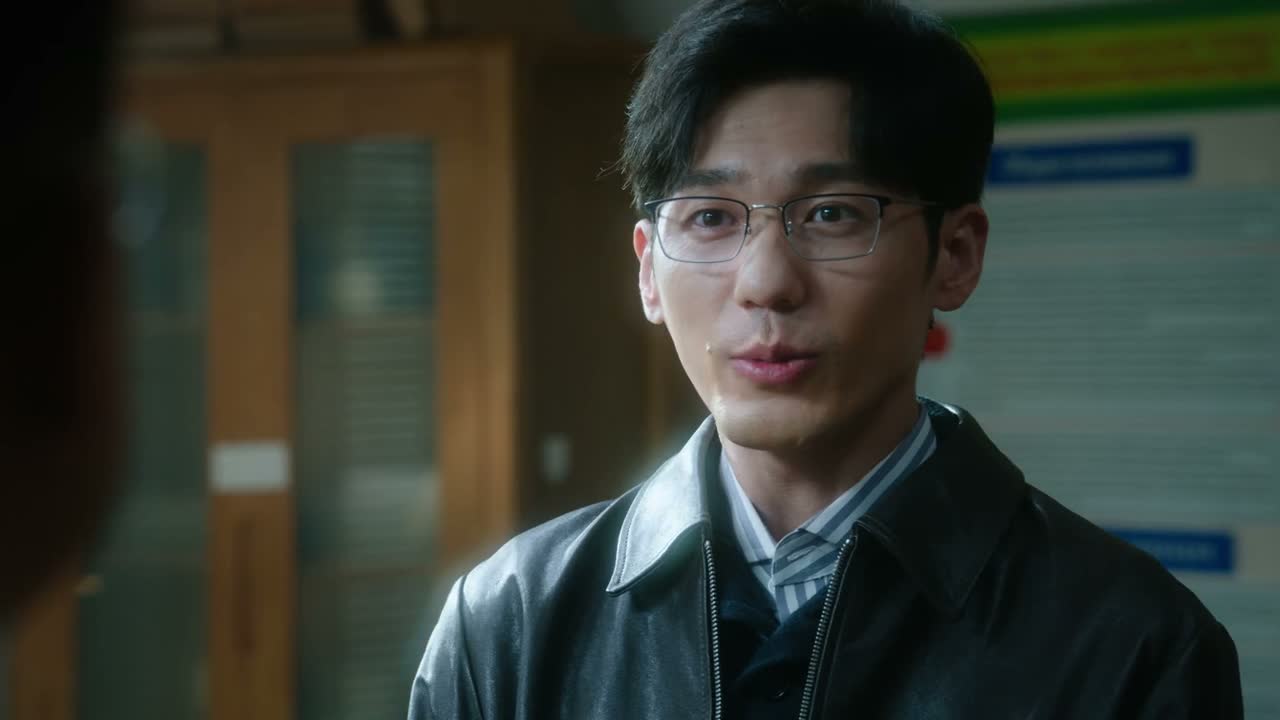
还是你根本照着别人的模样 找的我
“or did you choose me because I look like her?”
THE DIALOGUE REEL
“Did Grandma mistake me for someone else,”
还是你 根本 照着别人的模样 找的我
“or did you choose me because I look like her?”
“I don't want a lie that falls apart the second I question it.”
“You never loved me for who I am; you just used me as a replacement.”
In contemporary Chinese romantic discourse, being treated as a 'tishen' (substitute) is considered one of the ultimate emotional betrayals, violating mutual respect and authenticity.
LEARNING CHUNKS & PARTICLES
modeled after someone else's appearance/likeness
Used metaphorically or literally when one object or person is patterned after another.
or did you actually; or was it all along that you
Used when pressing someone with an unsettling, alternative truth.
VOCABULARY & EXPRESSIONS
Parallel Spoken Cinema Scenes (语义近邻切片)

“Don't you have a photo? Publish it!”

“I found that you're just like me.”

“I... I think I found it. Look.”

“does he look exactly like me?”

“You've come to the right person.”
“are exactly the same as mine?”