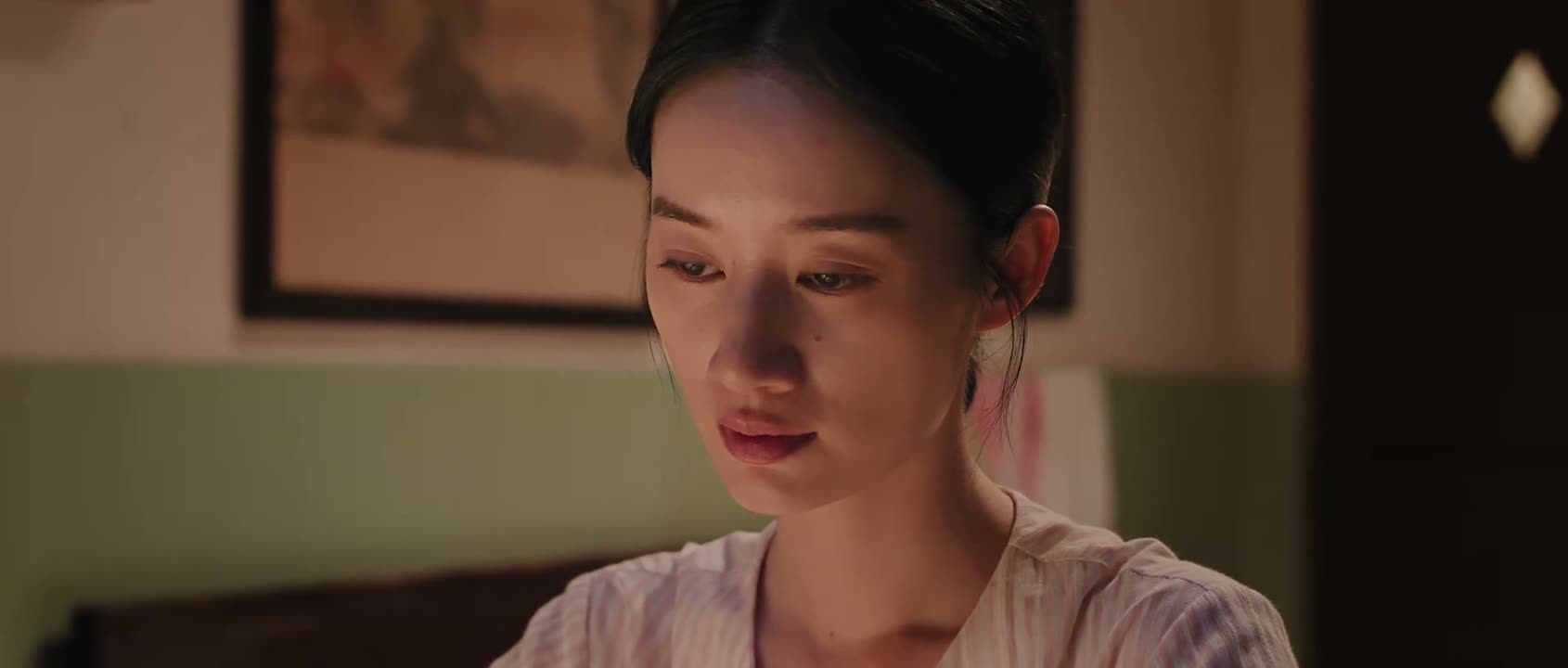
《Love Story in the 1970s》 S1·E10 (17:34)
HSK 6
nǐ dā yìng wǒ de qiú hūn shì wèi le ài qíng ma
你答应我的求婚是为了爱情吗
“did you say yes to my proposal for love?”
《Love Story in the 1970s》
S1·E10
TIMECODE: 17:34
·
1080P MASTER AUDIO
THE DIALOGUE REEL
[-1] PREVIOUS TURN
fāng mù jìng
方穆静
“Fang Mujing,”
nǐ dā yìng wǒ de qiú hūn shì wèi le ài qíng ma
CURRENT FOCUS
你 答应我 的 求婚 是 为了爱情 吗
“did you say yes to my proposal for love?”
[+1] FOLLOW-UP TURN
nán dào bú shì wèi le bǎi tuō nǐ de jiā tíng chū shēn ma
“Or was it to escape your family background?”
Subtitles synced to millisecond timecode
Browse Show Clips →
Scene:
Crisis & Conflict
Function:
CHALLENGING MOTIVE
Tone:
CONFRONTATIONAL
Emotion:
DISTRUST
WHAT THEY REALLY MEAN (PRAGMATIC SUBTEXT)
“You never loved me; you just used me to escape your background.”
💡 Cultural Insight: Utilitarian Marriage vs. Pure Love
In Chinese society, marriages have historically balanced emotional affection against pragmatic socio-economic advancement (门当户对 and escaping disadvantageous family backgrounds).
INTENT TAGS:
#confrontation
#skepticism
#accusation
#challenging_motive
🧩
2 CHUNKS · 1 PARTICLES
LEARNING CHUNKS & PARTICLES
答应求婚
SPOKEN CHUNK
to accept a marriage proposal
Standard collocation used when someone agrees to marry their suitor.
为了爱情
SPOKEN CHUNK
for the sake of love; out of love
Commonly contrasted with practical or materialistic motives like money or status in relationship discussions.
Modal Particle「吗」 (ma)
CHANGE OF STATE
Turns the statement into a direct question, framed here as an accusatory rhetorical setup.
🏮
3 EXPR · 1 GRAMMAR
VOCABULARY & EXPRESSIONS
COLLOQUIAL EXPRESSIONS:
GRAMMAR BLUEPRINTS:
CROSS-CINEMA CORPUS BOARD · PARALLEL SCENES
EXPLORE BY SEMANTIC SIMILARITY
Parallel Spoken Cinema Scenes (语义近邻切片)
《Love Story in the 1970s》 S1·E10 (17:34) · Authentic Cinema Dialogue Corpus