你们多吃啊 我也有
“Stop piling it on. You two eat more. I also have some.”
THE DIALOGUE REEL
“This tastes great. Here, have more. That's enough. Stop piling it on.”
你们 多吃 啊 我也有
“Stop piling it on. You two eat more. I also have some.”
多吃 多吃多吃
“Eat up.”
Direct spoken expression in this communicative setting.
Chinese dining culture features active encouragement to eat ('多吃') and mutual food offering (夹菜); reassuring others that you have plenty ensures guests feel comfortable indulging.
LEARNING CHUNKS & PARTICLES
eat more / help yourself
The most standard hospitality phrase used by hosts or caring elders at a dining table.
I have some too / there's plenty for me
Used to decline someone offering food back to you or to encourage others not to hold back out of politeness.
Adds warmth and cordiality to an imperative or hospitable urging.
VOCABULARY & EXPRESSIONS
Parallel Spoken Cinema Scenes (语义近邻切片)
“Eat up. It's really good.”

“Eat more. Here, eat more if you can.”

“You eat, too. I am.”
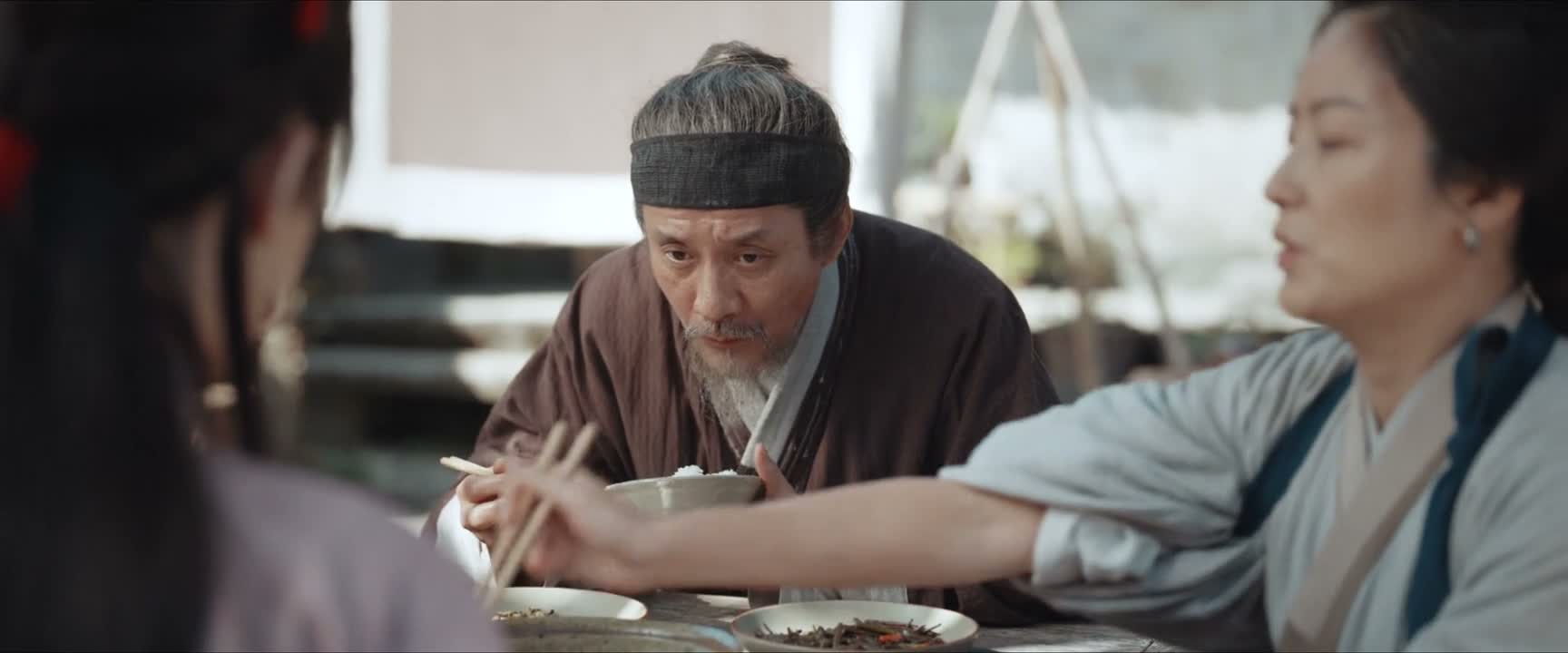
“Eat more. You've been working all day.”