你多吃点 来 能吃你就多吃点
“Eat more. Here, eat more if you can.”
THE DIALOGUE REEL
我 我好像听说过 是不是那个闹鬼的地方
“I... I think I've heard of it. Is it that haunted place?”
你 多吃点 来 能吃你就 多吃点
“Eat more. Here, eat more if you can.”
这个也给你吃
“Have this, too.”
“Stop talking about creepy ghost stories and just eat your meal.”
Offering food in Chinese culture is a primary mechanism for showing affection, calming nerves, or gently steering a companion away from unpleasant topics.
LEARNING CHUNKS & PARTICLES
eat more; help yourself to more
The most quintessential hospitable phrase used by Chinese hosts or elders at meals.
eat as much as you are able to
A colloquial conditional pattern used to encourage guests to fill themselves up without hesitation.
VOCABULARY & EXPRESSIONS
Parallel Spoken Cinema Scenes (语义近邻切片)
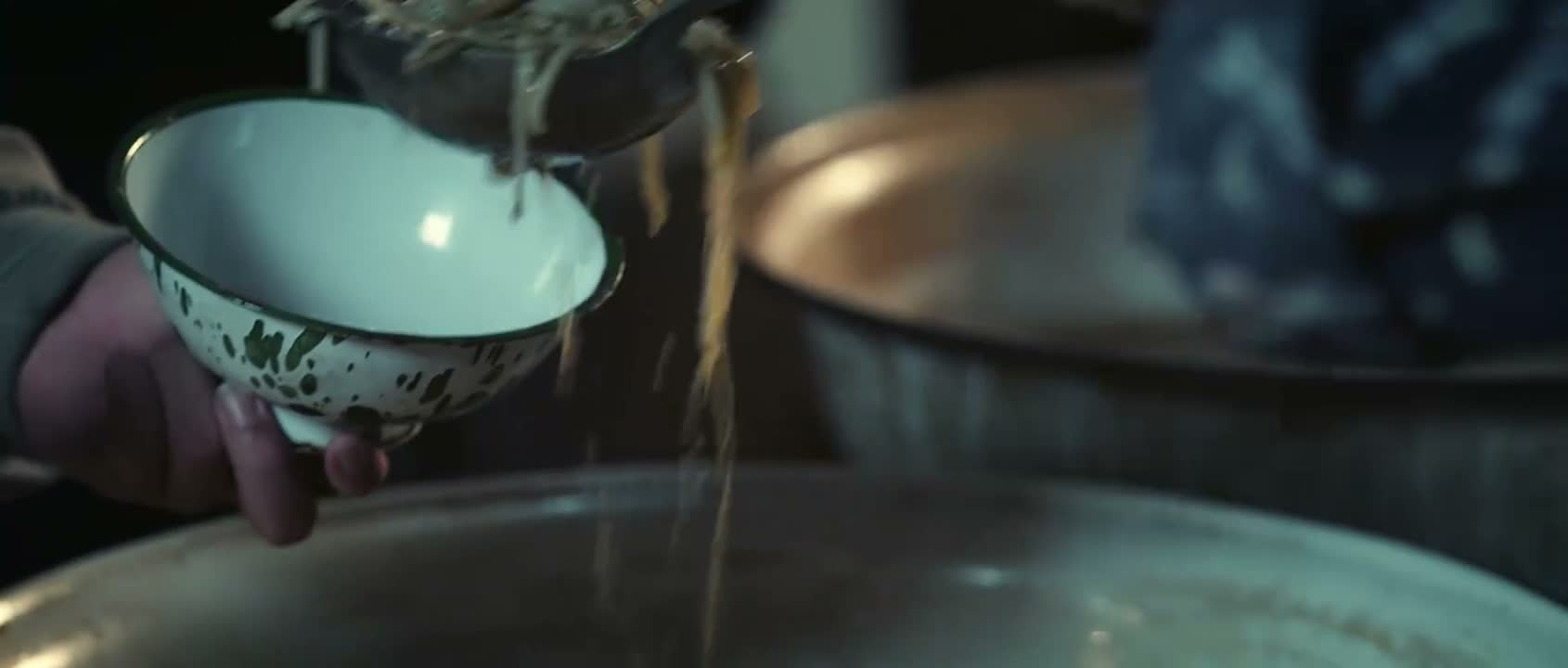
“Eat up. It's really good.”

“That one's fine too. Eat more. Eat up.”

“Have some more. Then add more chili sauce.”

“Stop piling it on. You two eat more. I also have some.”

“Right? I didn't eat that much. Here, have some more.”