多吃
duō chīCommon spoken expression used by native Chinese speakers in daily life.
[Scene: 餐饮美食]
(10 clips) 00:03
 00:02
(好吃好吃 来来来 我够了够了 别给我夹了) ── Previous context
“Stop piling it on. You two eat more. I also have some.”
 00:02
(他做饭可好吃了) ── Previous context
“Every time he brought food, I could eat nearly an extra bowl.”
 00:03
(快吃) ── Previous context
“You won't get full just eating this. Have more noodles. No. I don't want any vinegar.”
 00:03
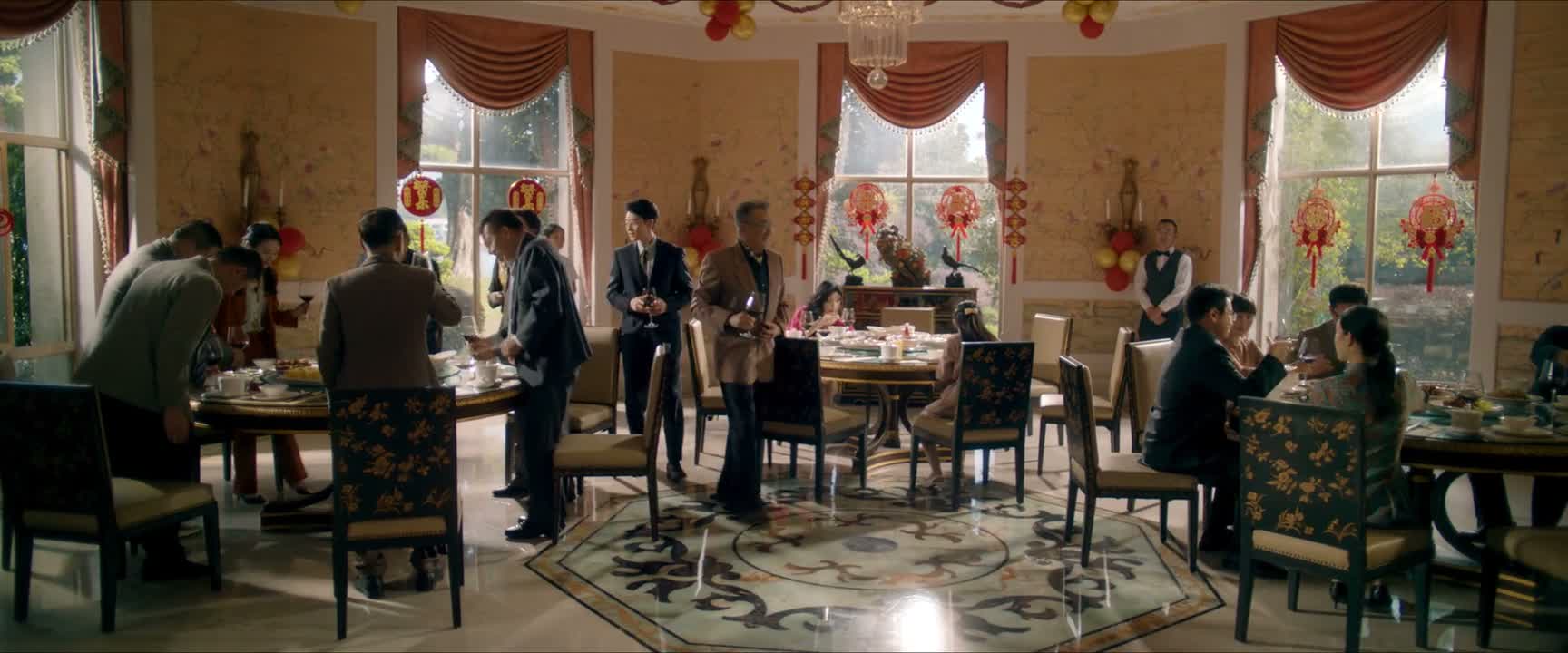
(女孩子吃这个最好了 这个一点油都没有 这个好吃) ── Previous context
“That one's fine too. Eat more. Eat up.”
 00:03
 00:02
 00:03
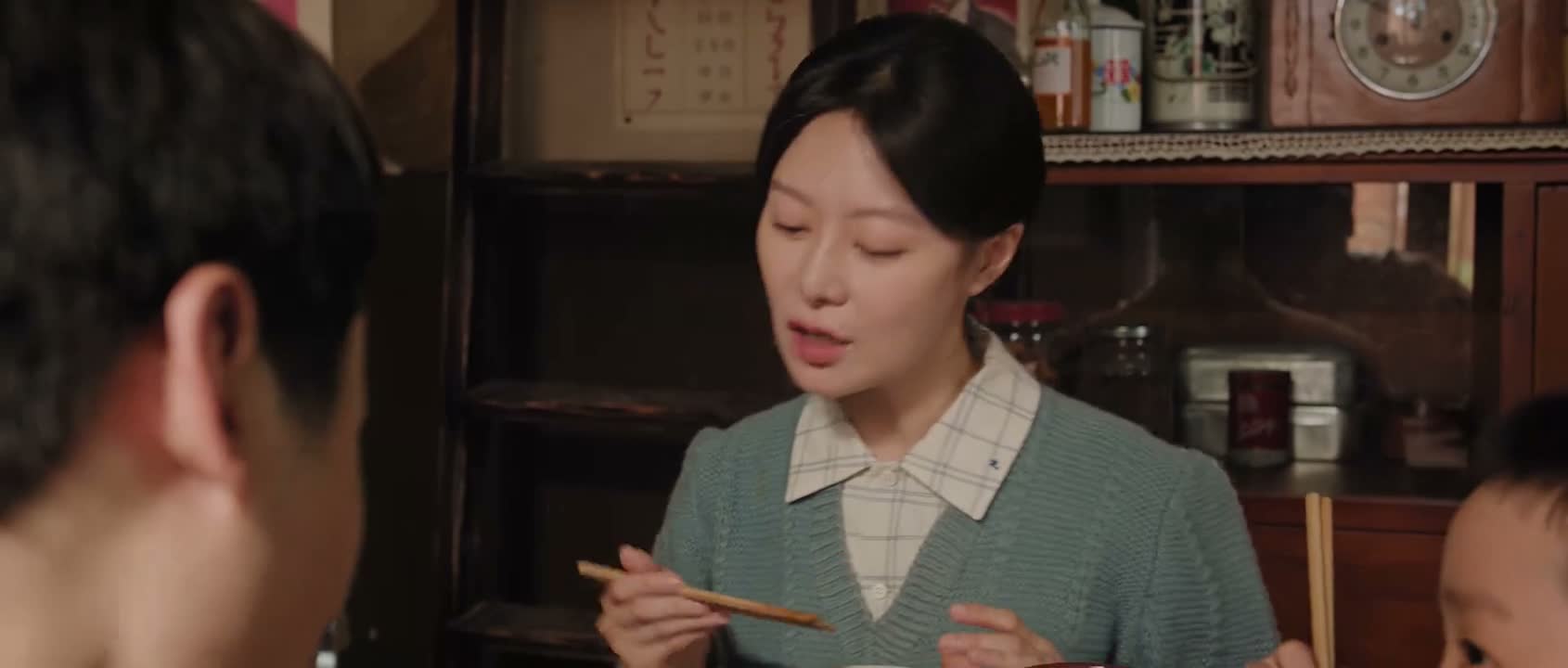
(你们都不许吃 都给我吃 一家人怎么就不能吃了) ── Previous context
“Mom, have some meat. Have more. Here you go. Thank you.”
 00:02
 00:03
(你这个饭做的比你妈好吃多了 你说的都对老婆) ── Previous context
“Eat more. You're really not good at sweet talk. Give me a piece of meat.”
[Scene: 家庭日常]
(4 clips) 00:03
(吃饭的时候啊 别老吃那洋快餐) ── Previous context
“Eat more fruits, veggies, and drink plenty of water.”
 00:03
(好 涛涛好) ── Previous context
“If it smells good, eat more tonight. Mr. Tang and Zhou Cheng are teaching”
 00:02
 00:03
(瞧把你给嘚瑟的) ── Previous context
“All that extra time on Earth, and you've got nothing to show for it.”
[Scene: 其他场景]
(1 clips) 00:03
📌 来来来
→Nuance: 聚餐提议喝酒,场景意图相近
📌 你赶紧
→Nuance: 劝回家休养的口吻更委婉关切
📌 在家
→Nuance: 同为嘱咐休养,表达更正式敬重
📌 好吃
→Nuance: 交际意图一致,均劝多吃
📌 您好
→Nuance: 同为嘱咐休养,表达更正式敬重
📌 多吃青菜
→Nuance: 同为清淡饮食健康叮嘱可互换
📌 清淡点
→Nuance: 同为清淡饮食健康叮嘱可互换
📌 一定得
→Nuance: 核心均为劝人多吃补充营养
📌 赶紧
→Nuance: 劝回家休养的口吻更委婉关切
📌 我不用
→Nuance: 均表达拒绝加醋,意图一致