把他视为己出的养父母
“who love him like their own,”
THE DIALOGUE REEL
遇上这种
“With foster parents”
把他 视为己出 的养父母
“who love him like their own,”
孩子就注定要在两个家庭的
“he's forced to spend his life”
Direct spoken expression in this communicative setting.
Chinese cultural narratives surrounding adoption often emphasize the painful tension between the grace of raising a child (养恩) and the bond of birth bloodlines (生恩).
LEARNING CHUNKS & PARTICLES
to treat someone as one's own child
A formal and emotionally resonant four-character idiom frequently used to praise the genuine, selfless love of stepparents or adoptive parents.
adoptive / foster parents
Standard formal noun distinguishing adoptive parents from biological parents (生父母).
VOCABULARY & EXPRESSIONS
Parallel Spoken Cinema Scenes (语义近邻切片)

“as your own son.”

“but was sold by my own parents.”
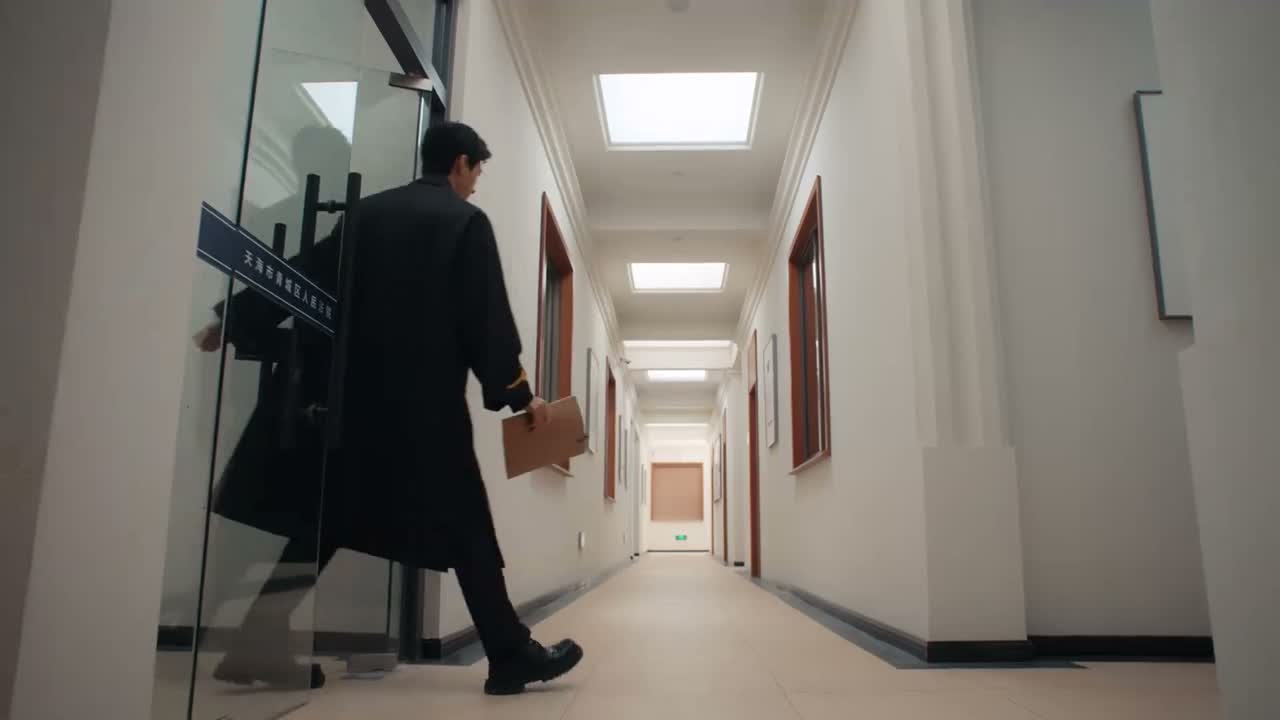
“my foster parents have done everything possible”

“If he'd ended up with monsters,”
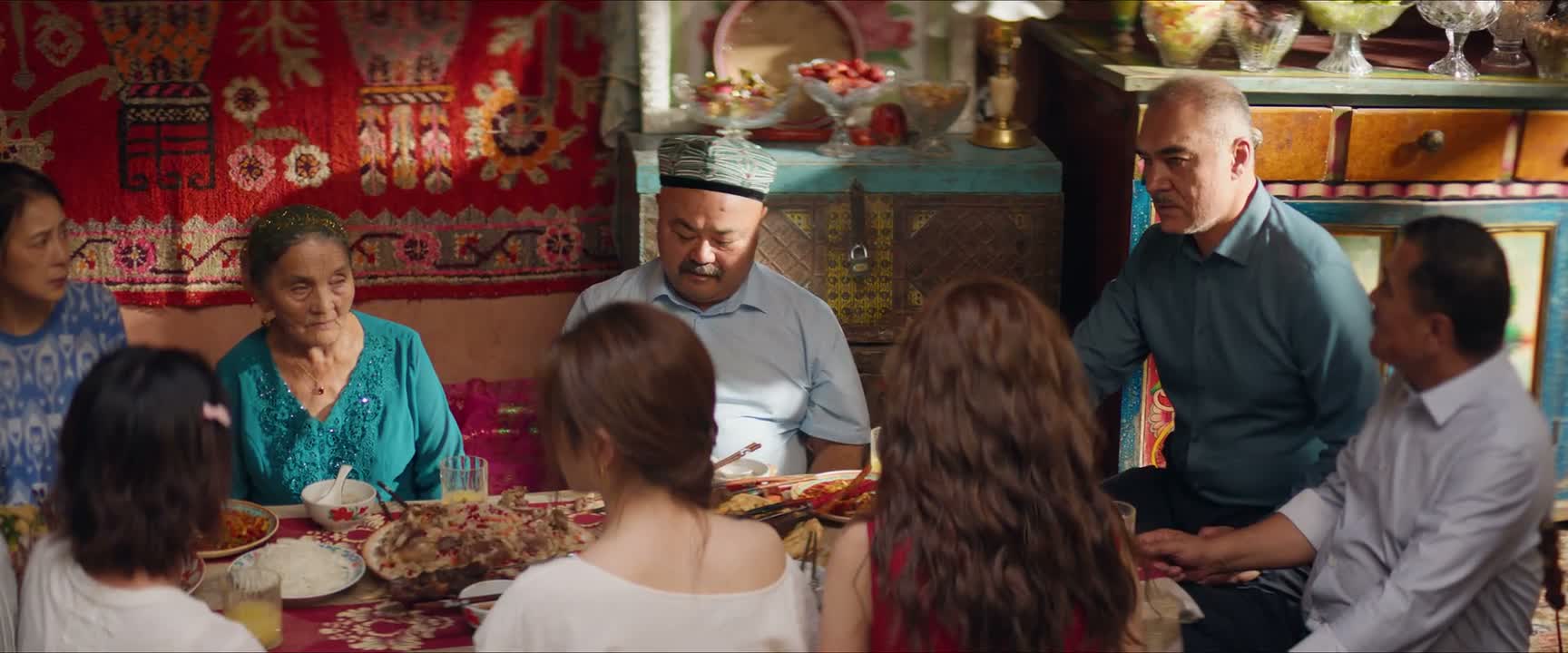
“I raised him like a son.”
“His foster parents are also good to him.”
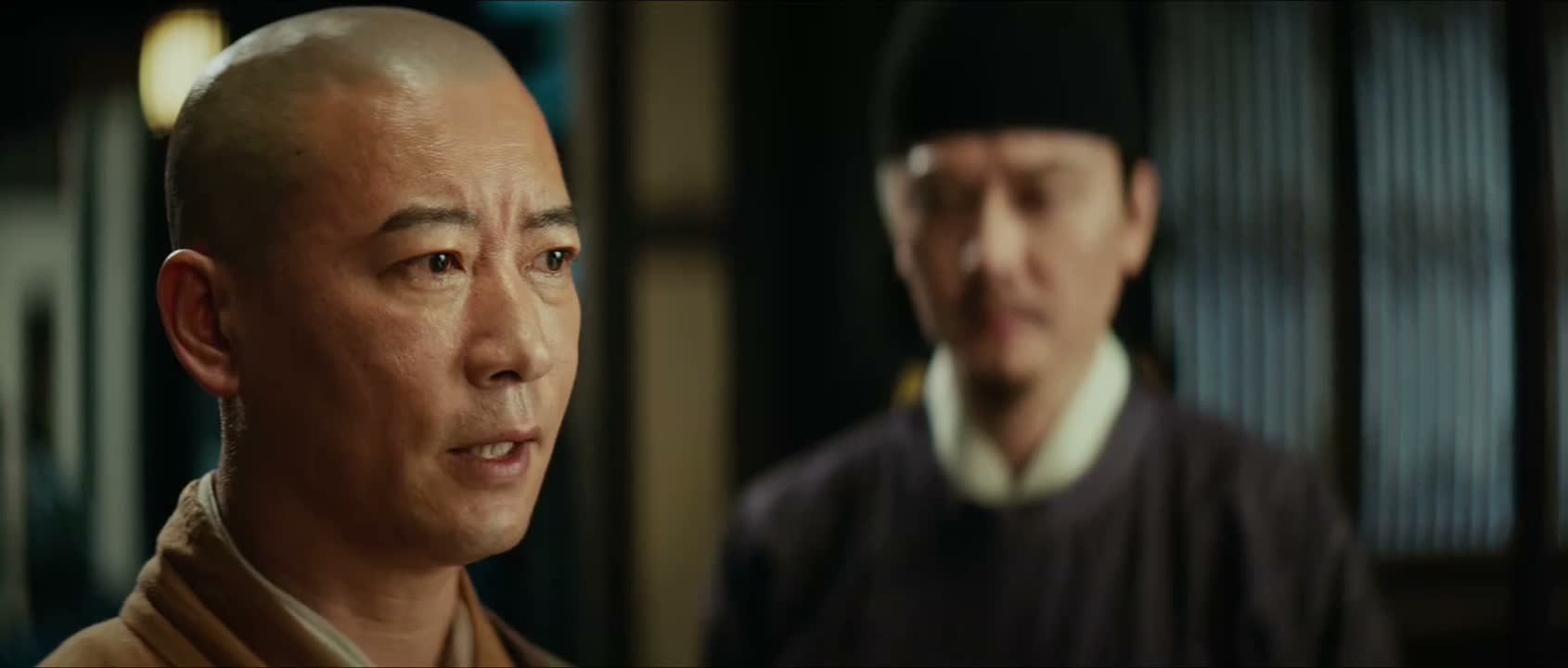
“as if she were my own daughter.”

“just like my own.”