《Go Ahead》 S1·E33 (33:26)
HSK 5
nǐ mā zěn me duì nǐ nǐ zěn me néng bú jì dé ya
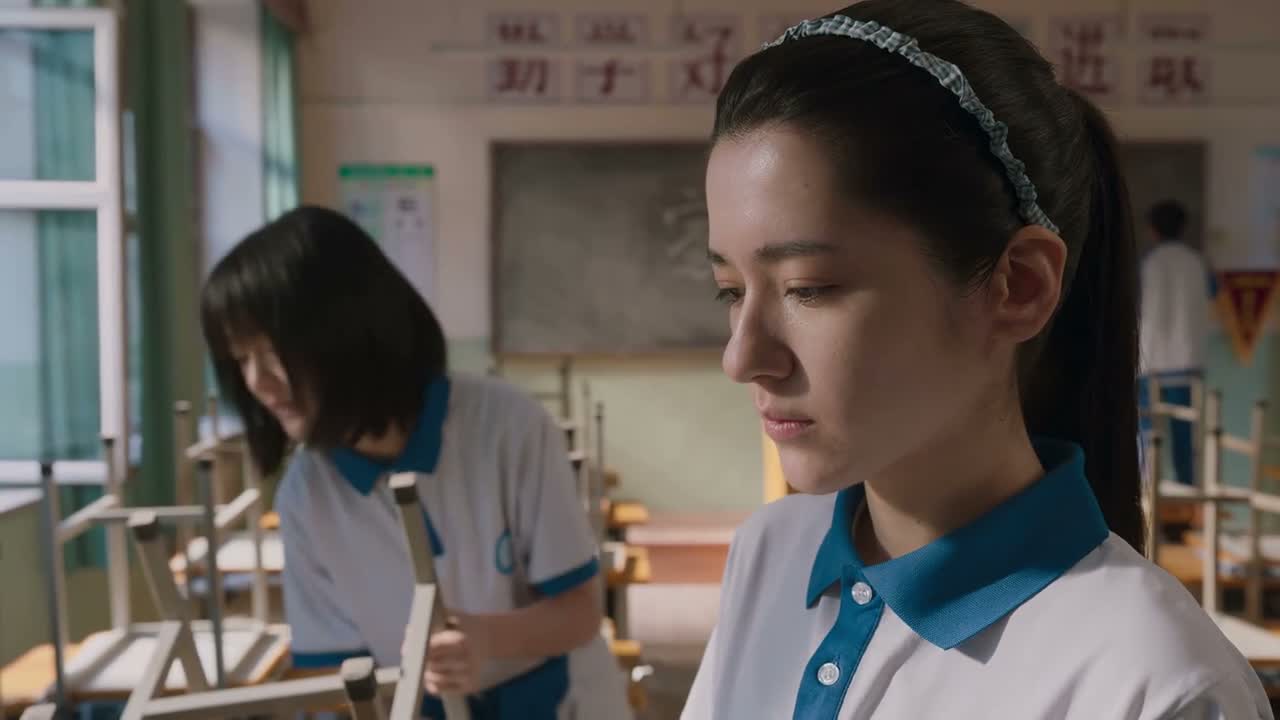
你妈怎么对你 你怎么能不记得呀
“how your mother took care of you back then?”
《Go Ahead》
S1·E33
TIMECODE: 33:26
·
1080P MASTER AUDIO
THE DIALOGUE REEL
[-1] PREVIOUS TURN
nǐ mā nà diū xià nǐ bù guǎn nà shì zhī hòu de shì nǐ xiǎo de shí hòu
你妈那丢下你不管 那是之后的事 你小的时候
“Your mother left you after those. Don't you remember”
nǐ mā zěn me duì nǐ nǐ zěn me néng bú jì dé ya
CURRENT FOCUS
你妈 怎么 对你 你 怎么能不记得 呀
“how your mother took care of you back then?”
[+1] FOLLOW-UP TURN
èr yí nǐ zěn me lǎo gēn wǒ shuō zhè xiē shì
“Aunt He Lan, why did you say this to me?”
Subtitles synced to millisecond timecode
Browse Show Clips →
Scene:
Family & Home
Function:
ADMONISHING
Tone:
REPROACHFUL
Emotion:
FRUSTRATION
WHAT THEY REALLY MEAN (PRAGMATIC SUBTEXT)
“You are being ungrateful by choosing to forget all the love she gave you.”
💡 Cultural Insight: Emotional Indebtedness to Mothers
In Chinese culture, maternal nurturing is often treated as an undeniable moral debt that children are expected to revere regardless of later mistakes.
INTENT TAGS:
#guilt_tripping
#rhetorical_question
#reproach
#family_obligation
🧩
1 CHUNKS · 1 PARTICLES
LEARNING CHUNKS & PARTICLES
怎么能不
SPOKEN CHUNK
how could one possibly fail to; must certainly
A double negative rhetorical structure used to emphatically stress that an action or feeling should be obvious and expected.
Modal Particle「呀」 (ya)
CHANGE OF STATE
Softens the acoustic harshness while amplifying the emotional appeal and sense of rhetorical disbelief.
🏮
2 EXPR · 0 GRAMMAR
VOCABULARY & EXPRESSIONS
COLLOQUIAL EXPRESSIONS:
CROSS-CINEMA CORPUS BOARD · PARALLEL SCENES
EXPLORE BY SEMANTIC SIMILARITY
Parallel Spoken Cinema Scenes (语义近邻切片)
《Go Ahead》 S1·E33 (33:26) · Authentic Cinema Dialogue Corpus