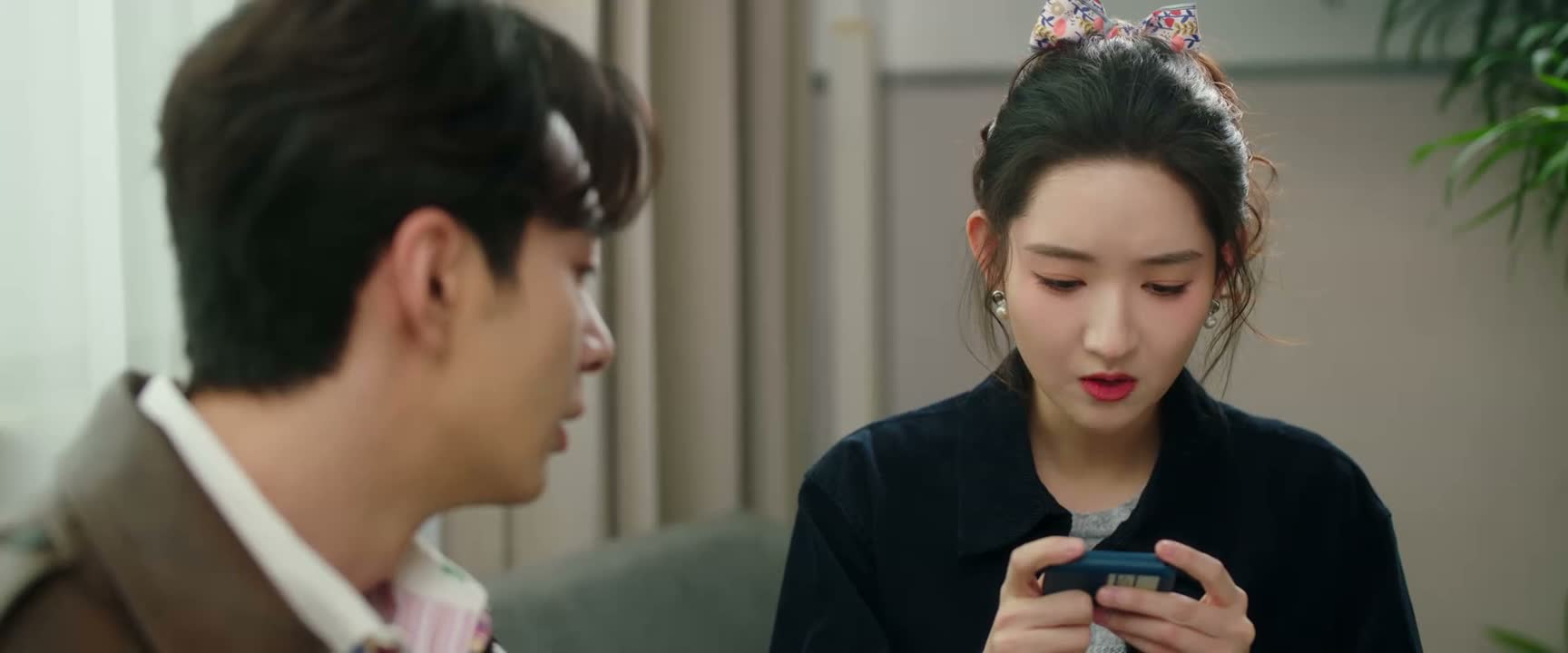
我能有什么歪脑筋啊
“What funny ideas could I have?”
THE DIALOGUE REEL
“we had made a deal. Don't get any funny ideas.”
我能 有什么 歪脑筋 啊
“What funny ideas could I have?”
要不试试
“Why don't you try it?”
“Who, me? I'm totally harmless—what could you possibly think I'm planning?”
In Chinese romantic banter, feigning surprise or innocence when accused of mischievous intent is a common teasing strategy that builds intimacy.
LEARNING CHUNKS & PARTICLES
what could [someone] possibly have; how could there be
Rhetorical question structure expressing that something is negligible, nonexistent, or impossible.
crooked ideas; mischievous thoughts; ulterior motives
Commonly paired with verbs like 动 or 打 to describe impure or sneaky motives.
Adds an expressive tone of exaggerated disbelief and lighthearted protest.
VOCABULARY & EXPRESSIONS
Parallel Spoken Cinema Scenes (语义近邻切片)

“What ill intentions could I possibly have?”

“Are you out of your mind?”
“What were you thinking about all night?”