谁让你在法院门口闹事了 你不不管我的事了吗
“Liu Wenbo, who told you to cause trouble at the courthouse? Aren't you handling my case anymore? I'll handle it myself.”
THE DIALOGUE REEL
“I'm a man. If you hit me, you'd better think about who's at a disadvantage. Liu Wenbo, who told you to cause trouble at the courthouse?”
谁让你 在法院门口闹事 了 你不 不管 我的事 了 吗
“Liu Wenbo, who told you to cause trouble at the courthouse? Aren't you handling my case anymore? I'll handle it myself.”
“Aren't you handling my case anymore? I'll handle it myself. Don't use force.”
“You made a complete fool of me out there after promising to leave me alone, stop ruining my life!”
Creating a loud disturbance outside a government or judicial institution brings extreme loss of face (丢脸) to family members and is seen as highly disgraceful.
LEARNING CHUNKS & PARTICLES
who told you to / who gave you the right to
A rhetorical challenge used to strongly question or reprimand someone's unauthorized actions.
cause trouble / make a scene
Describes creating public disturbance, chaos, or loud conflicts.
meddle in my business
Commonly used in negative contexts when demanding personal boundaries.
Marks the completion of an unwelcome action, intensifying the sense of reprimand.
Turns the question into a sharp rhetorical accusation highlighting hypocrisy.
VOCABULARY & EXPRESSIONS
Parallel Spoken Cinema Scenes (语义近邻切片)

“She's literally pulling a stunt at the court's front door.”
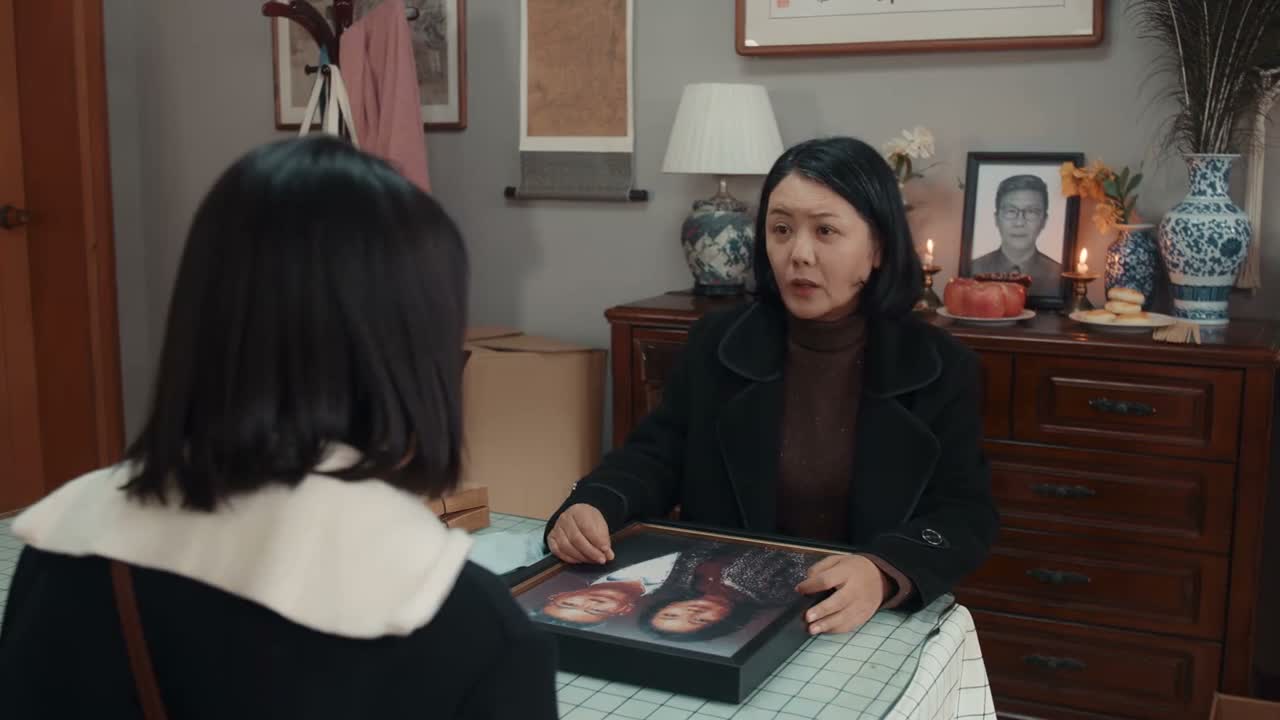
“I've dragged things all the way to court.”

“At the very least, you guys are at the entrance to the People's Court.”

“It even went to court!”

“An explanation! He's causing trouble!”

“(nearly driving me out of business.) Make trouble? Why?”