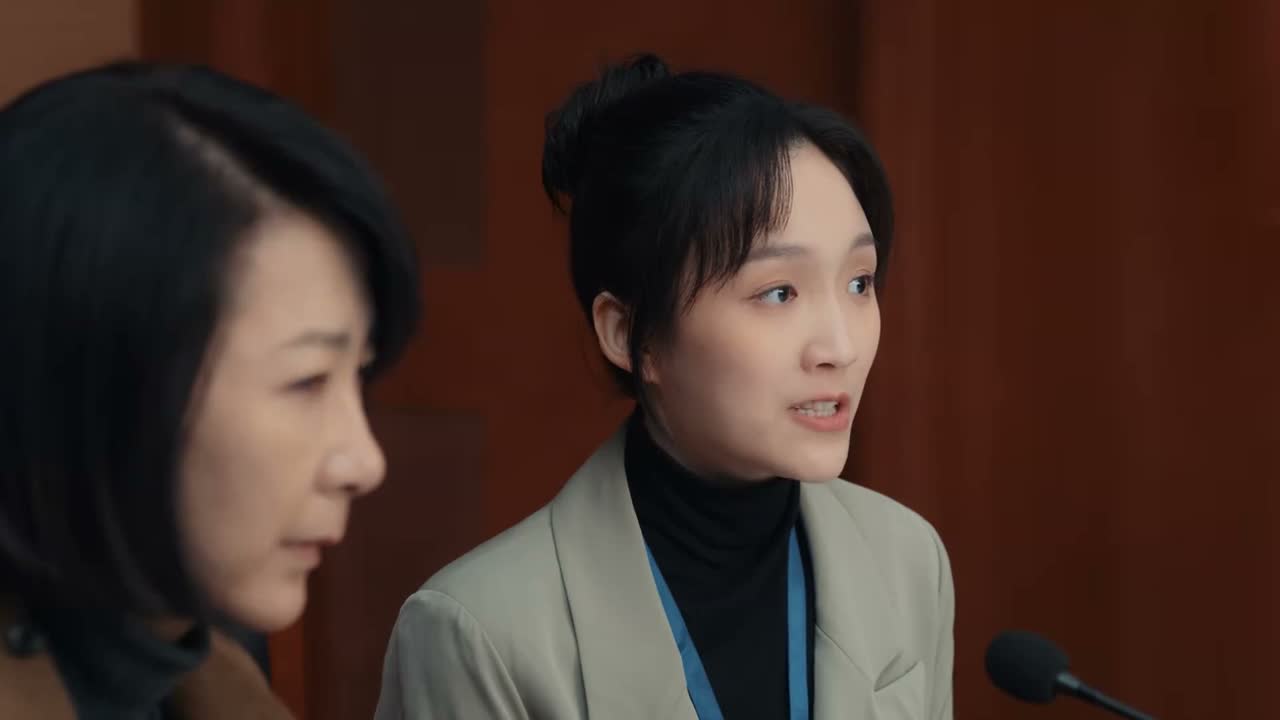
我侵害谁权益了你说 对啊
“Whose rights did I violate? Right.”
THE DIALOGUE REEL
我又没拐卖儿童
“It's not like I trafficked children.”
我 侵害谁权益 了 你说 对啊
“Whose rights did I violate? Right.”
“There's still eight hundred thousand in the account. Eight hundred thousand.”
“You have no right to lecture me, nobody got hurt!”
In Chinese verbal clashes, pivoting to absolute boundaries like legality or child trafficking is a common face-saving defense when minor transgressions are called out.
LEARNING CHUNKS & PARTICLES
whose rights have been violated
A rhetorical challenge used in disputes to deny that any actual harm or legal violation occurred.
you tell me; go ahead and say it
Inserted rhetorically to corner an interlocutor into backing up their criticism.
Marks the completed realization of the alleged infraction in a rhetorical challenge.
Emphasizes the self-affirming conclusion 'duì a' with assertive force.
VOCABULARY & EXPRESSIONS
Parallel Spoken Cinema Scenes (语义近邻切片)

“Who's invading whose privacy?”

“You're violating my privacy right now.”
“We're clearly the victims here.”