MC
MandarinClips Cinema Corpus
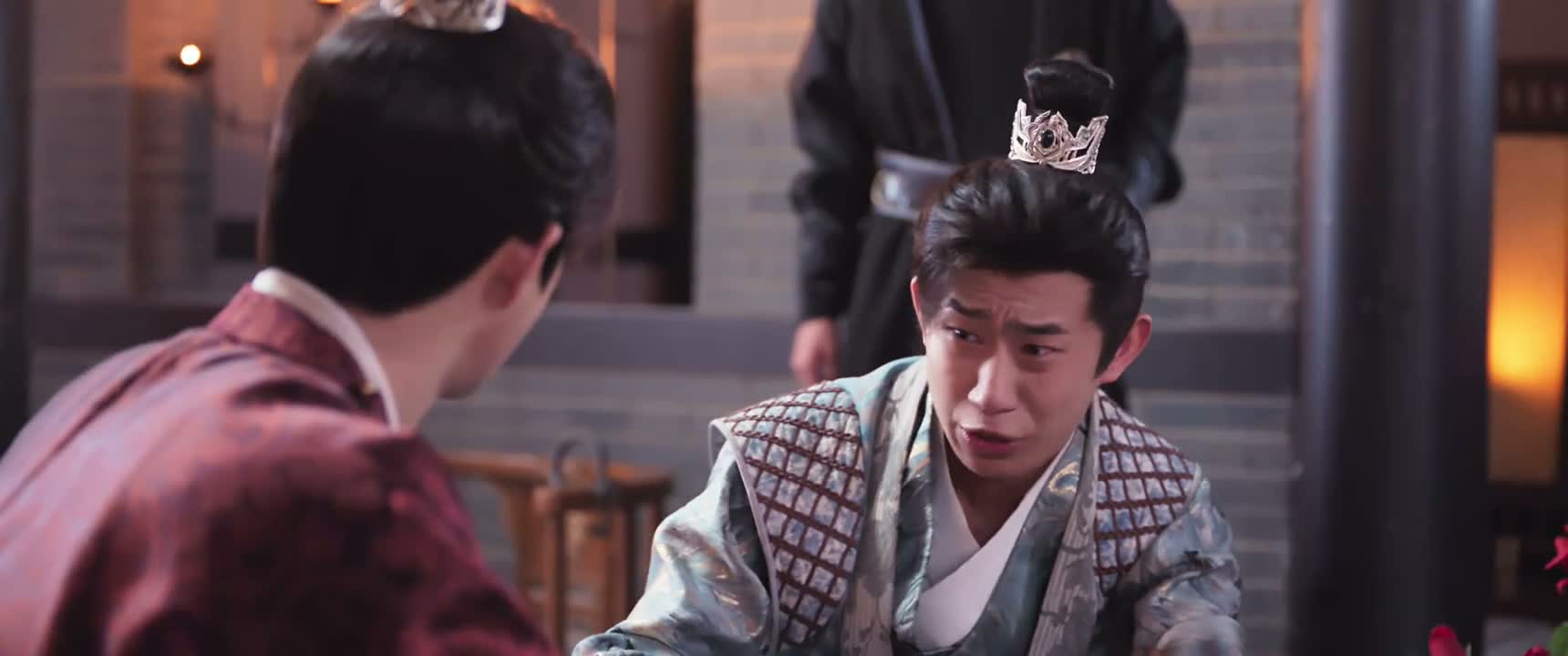
《Coroner's Diary》 S1·E8 (04:51) HSK 7
bái tiān bù shuō rén wǎn shàng bù shuō guǐ dà bàn yè de bié hú shuō bā dào

白天不说人 晚上不说鬼 大半夜的别胡说八道

“Don't talk about the living during the day, and don't talk about ghosts at night. Don't talk nonsense in the middle of the night.”

《Coroner's Diary》 S1·E8
TIMECODE: 04:51 · 1080P MASTER AUDIO

THE DIALOGUE REEL

1+1+1 SPOKEN CONTINUITY
[-1] PREVIOUS TURN qù qù qù

去去去

“Shut up.”

bái tiān bù shuō rén wǎn shàng bù shuō guǐ dà bàn yè de bié hú shuō bā dào CURRENT FOCUS

白天不说人 晚上不说鬼 大半夜的 别 胡说八道

“Don't talk about the living during the day, and don't talk about ghosts at night. Don't talk nonsense in the middle of the night.”

[+1] FOLLOW-UP TURN guǐ ya

鬼呀

“Ghost!”

Subtitles synced to millisecond timecode Browse Show Clips →
Scene: Daily Life
Function: SCOLDING TABOO
Tone: REPROACHFUL
Emotion: FEAR
WHAT THEY REALLY MEAN (PRAGMATIC SUBTEXT)
“You're creeping me out, shut your mouth before you jinx us!”
💡 Cultural Insight: Verbal Taboos and Jinxing

Traditional Chinese culture strongly warns against mentioning ghosts or calamity at night, fearing that spoken words have the power to summon supernatural misfortune.

INTENT TAGS: #rebuking #superstition #dismissing #deflecting_fear
🧩

LEARNING CHUNKS & PARTICLES

2 CHUNKS · 1 PARTICLES
胡说八道 SPOKEN CHUNK

talking complete nonsense

A very common idiom used to dismiss someone's speech as absurd or baseless.

大半夜的 SPOKEN CHUNK

in the dead of night

Used as a temporal prefix to emphasize that an action is inappropriate or annoying given the late hour.

Modal Particle「的」 (de) CHANGE OF STATE

Reinforces the situational context and the speaker's mood of annoyance.
🏮

VOCABULARY & EXPRESSIONS

3 EXPR · 0 GRAMMAR
CROSS-CINEMA CORPUS BOARD · PARALLEL SCENES

Parallel Spoken Cinema Scenes (语义近邻切片)

EXPLORE BY SEMANTIC SIMILARITY
《Coroner's Diary》 S1·E8 (04:51) · Authentic Cinema Dialogue Corpus