能告诉我 你糖罐放哪了吗
“Can you tell me where you put your candy jar?”
THE DIALOGUE REEL
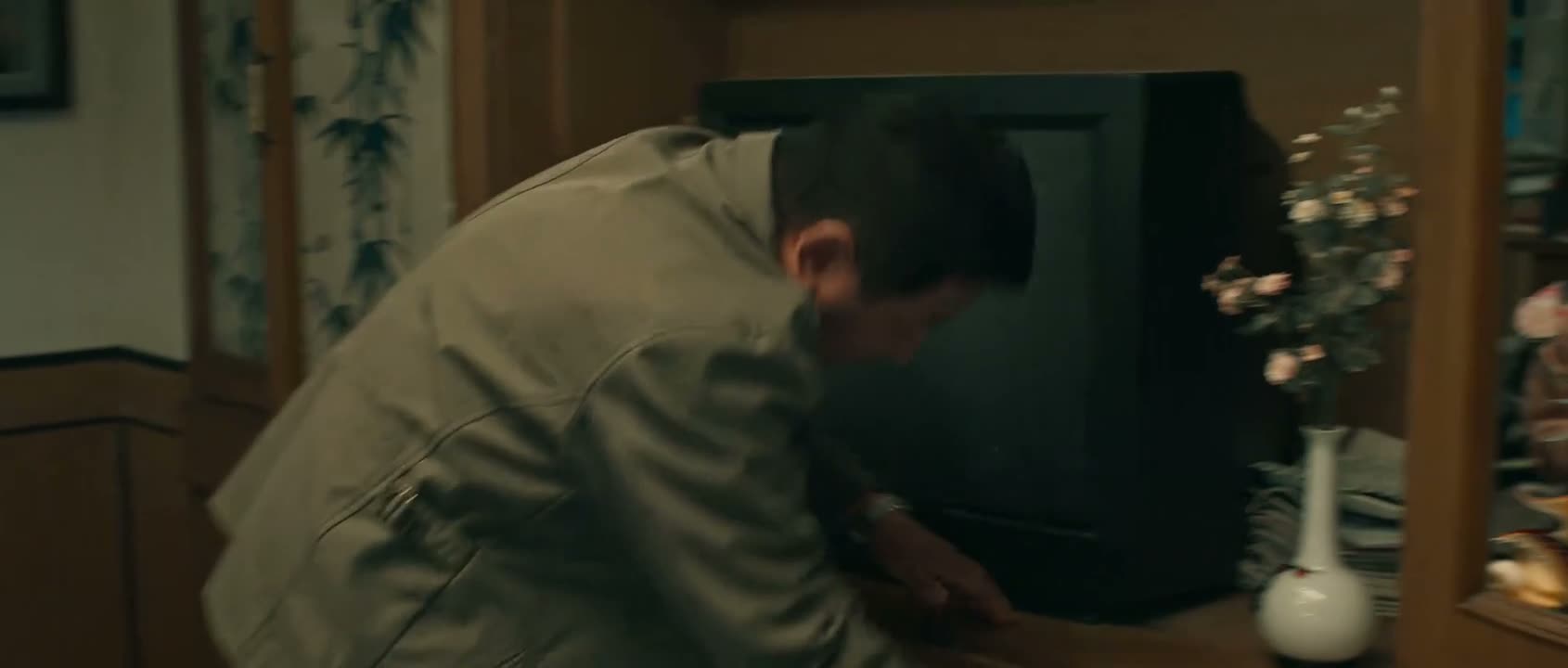
糖罐呢
“Where's the candy jar?”
能告诉我 你糖罐放哪了吗
“Can you tell me where you put your candy jar?”
找着了
“Found it.”
Direct spoken expression in this communicative setting.
Using modal verbs like '能' (can/could) when asking for household items softens the request, showing consideration within intimate spaces.
LEARNING CHUNKS & PARTICLES
could you tell me
A polite phrase used to preface questions when seeking information from someone.
where did (you) put (it)
Used to ask about the location where someone has placed or stored an object.
Forms a standard yes-no question, framing the inquiry as a gentle request for cooperation.
VOCABULARY & EXPRESSIONS
Parallel Spoken Cinema Scenes (语义近邻切片)

“hide these candies in there for me?”

“I don't know where I put it.”

“The candy I bought you wasn't meant for that.”
“Where was that?”

“I knew you were hiding more candy.”

“I just want to know. Did you spread the false news about my master?”