可有注意到什么异常?
“Did you notice anything unusual?”
THE DIALOGUE REEL
回县主 我俩在药房整理新的药物
“Your Ladyship, we were in the dispensary, sorting the new medicines.”
可有 注意到 什么 异常 ?
“Did you notice anything unusual?”
事发之时 你们俩所站的位置距离药房最近
“When it happened, you were standing closest to the dispensary.”
Direct spoken expression in this communicative setting.
In traditional Chinese official inquiries, superiors pose concise questions starting with formal phrasing like '可有' to extract vital testimony from subordinates.
LEARNING CHUNKS & PARTICLES
is there any / did you happen to
A formal, classical-style question marker equivalent to spoken '有没有', often used in period dramas or official inquiries.
to notice / to take note of
Use when asking or stating whether someone observed a specific detail or action.
VOCABULARY & EXPRESSIONS
Parallel Spoken Cinema Scenes (语义近邻切片)
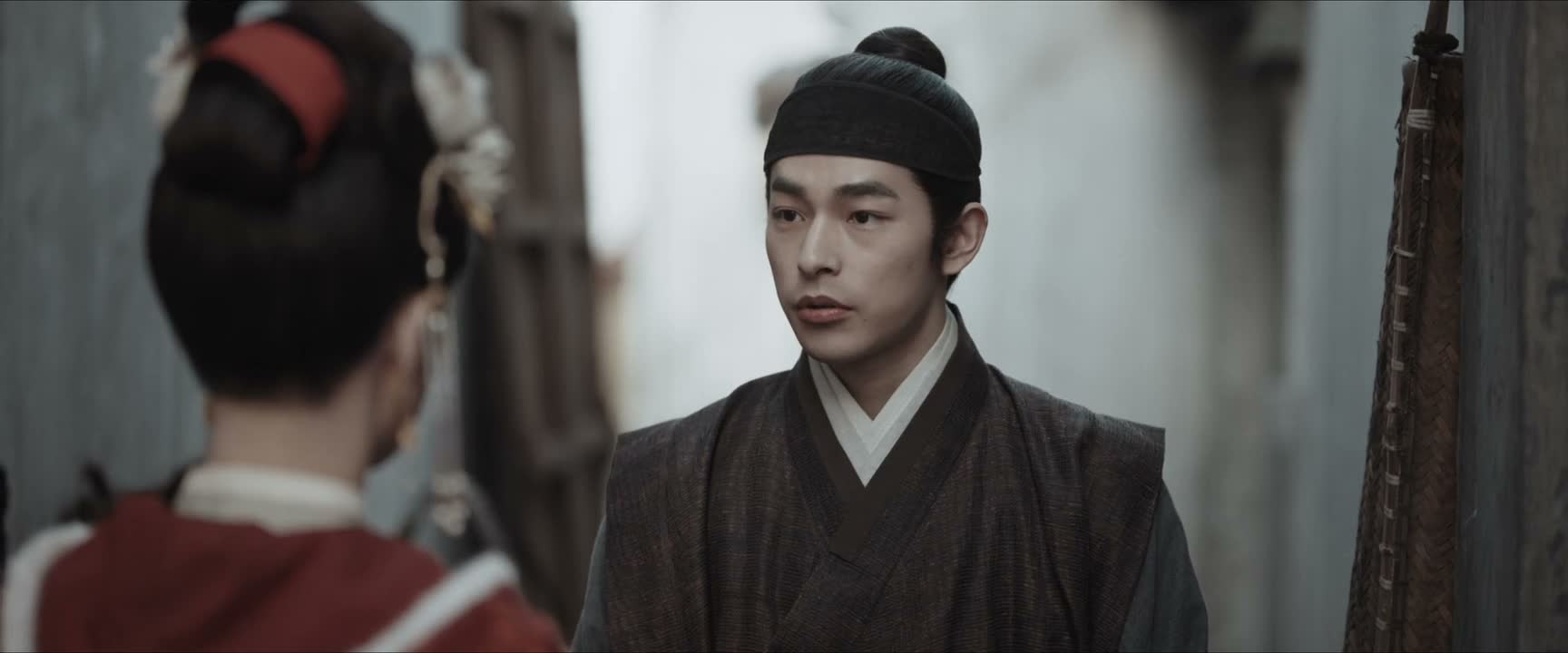
“Was there anything unusual?”
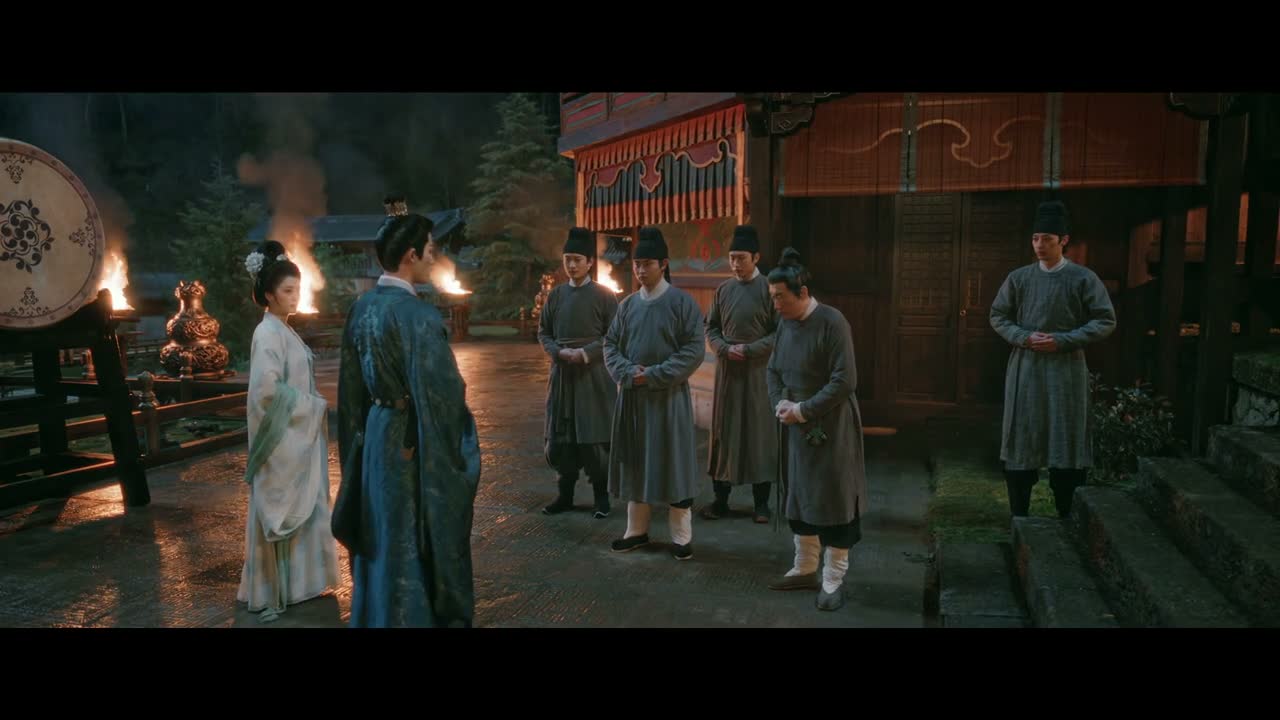
“Have you seen anything unusual?”

“anything unusual about Tian Benchang lately, or any suspicious people”