我就不把那药方给师父 惹他生气
“I shouldn't have given Master that prescription and made him angry.”
THE DIALOGUE REEL
早知如此
“I regret that.”
我就不把那药方给师父 惹他生气
“I shouldn't have given Master that prescription and made him angry.”
父皇 母妃 我喝完了
“Father, Mother, I'm done drinking it.”
Direct spoken expression in this communicative setting.
In traditional Chinese culture, a master holds a status comparable to a father, making causing a master emotional distress a significant moral failure.
LEARNING CHUNKS & PARTICLES
if I had known it would turn out like this
Commonly placed before a counterfactual statement to express deep hindsight regret.
to provoke him to anger / to upset him
A frequent colloquial pattern using '惹' to describe triggering someone's negative emotion.
VOCABULARY & EXPRESSIONS
Parallel Spoken Cinema Scenes (语义近邻切片)

“But promise me you'll try this prescription.”

“but do not disclose the prescription.”

“Why? Don't you already have a prescription?”

“What about the antidote? Why... Why didn't he take the antidote?”
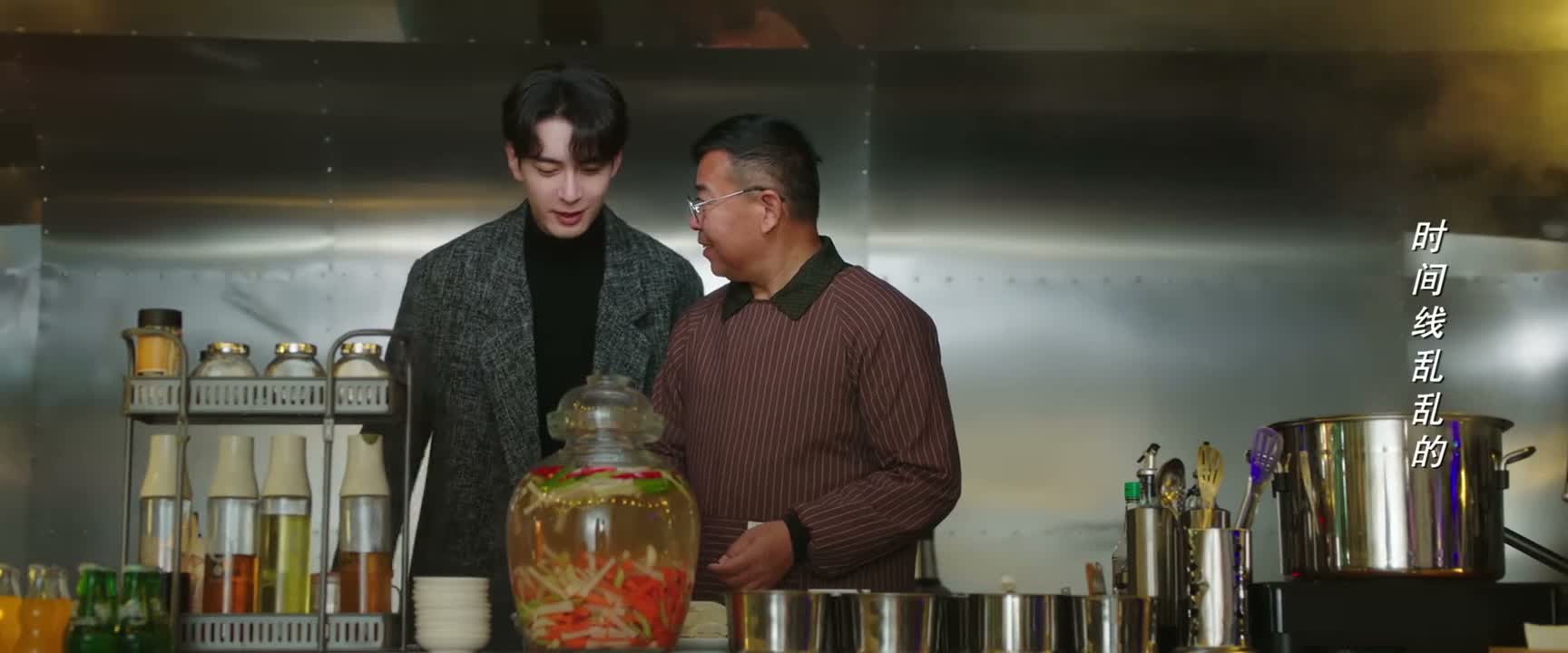
“Please teach me the secret recipe, so I can make it for my girlfriend.”

“You're not tending to it properly, just to make me feel pity for you?”