MC
MandarinClips Cinema Corpus
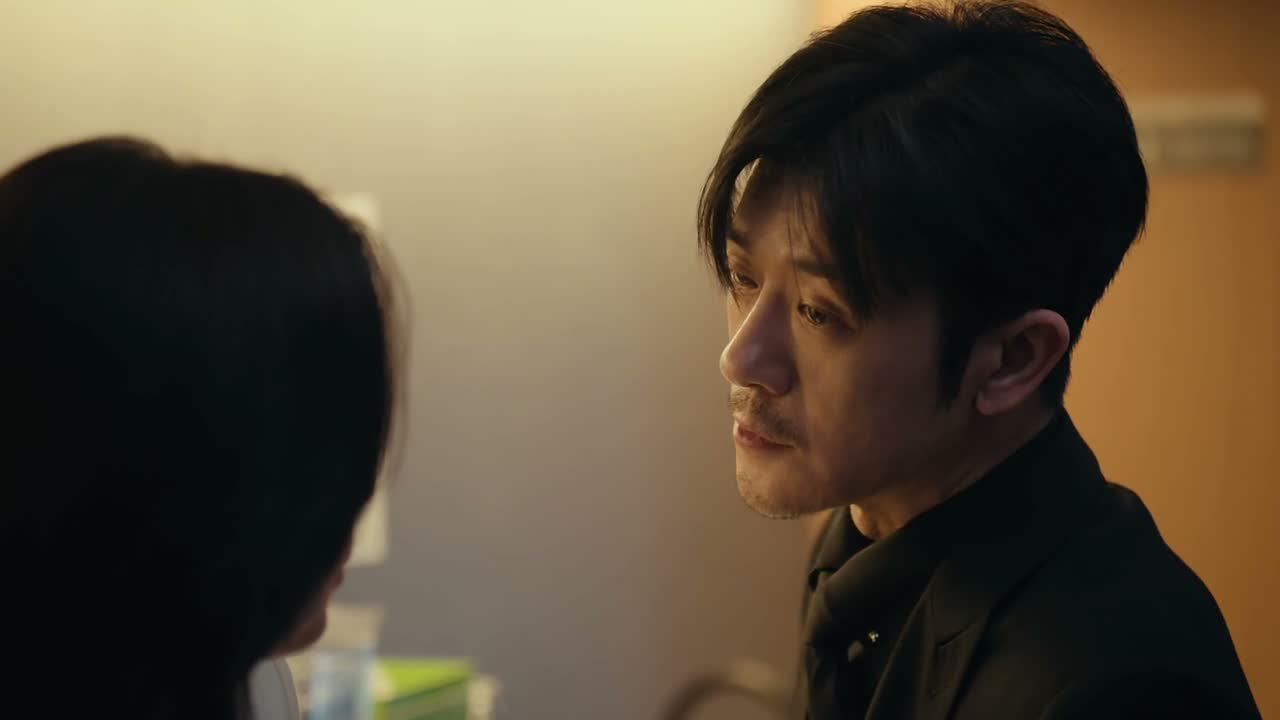
《Unveil: Jadewind》 S1·E16 (17:40) HSK 7
xiān zhǎn hòu zòu gù ér qǐng zuì

先斩后奏 故而请罪

“I acted first and reported later, so I'm here to apologize.”

《Unveil: Jadewind》 S1·E16
TIMECODE: 17:40 · 1080P MASTER AUDIO

THE DIALOGUE REEL

1+1+1 SPOKEN CONTINUITY
[-1] PREVIOUS TURN bìng yǐ cǐ fāng zhì liáo

并以此方治疗

“using the same prescription.”

xiān zhǎn hòu zòu gù ér qǐng zuì CURRENT FOCUS

先斩后奏 故而 请罪

“I acted first and reported later, so I'm here to apologize.”

[+1] FOLLOW-UP TURN nǐ zhè hái zi kě tài mǎng zhuàng le xìng hǎo shì quán yù le shí shǔ xìng yùn

你这孩子可太莽撞了 幸好是痊愈了 实属幸运

“You were far too reckless. Good thing you recovered. Truly a stroke of luck.”

Subtitles synced to millisecond timecode Browse Show Clips →
Scene: Historical & Court
Function: ADMITTING FAULT
Tone: APOLOGETIC
Emotion: GUILT
WHAT THEY REALLY MEAN (PRAGMATIC SUBTEXT)
“I know I bypassed your approval, but the ends justified the means, so please forgive me.”
💡 Cultural Insight: Proactive Apology (Fu Jing Qing Zui)

In traditional Chinese hierarchical dynamics, proactively admitting fault and yielding power to superiors often diffuses their anger and secures leniency.

INTENT TAGS: #apology #admitting_fault #deference #mitigation
🧩

LEARNING CHUNKS & PARTICLES

2 CHUNKS · 0 PARTICLES
先斩后奏 SPOKEN CHUNK

act first and report later; take unilateral action before getting permission

A classic four-character idiom used when you have completed a task without prior approval and are admitting it to a superior.

请罪 SPOKEN CHUNK

plead guilty; ask for punishment or pardon

A highly formal or literary term used to proactively apologize to someone of higher status.
🏮

VOCABULARY & EXPRESSIONS

2 EXPR · 0 GRAMMAR
CROSS-CINEMA CORPUS BOARD · PARALLEL SCENES

Parallel Spoken Cinema Scenes (语义近邻切片)

EXPLORE BY SEMANTIC SIMILARITY
《Unveil: Jadewind》 S1·E16 (17:40) · Authentic Cinema Dialogue Corpus