《COURT!》 S1·E23 (10:56)
HSK 5
nǐ chōng wǒ fā shén me huǒ ya
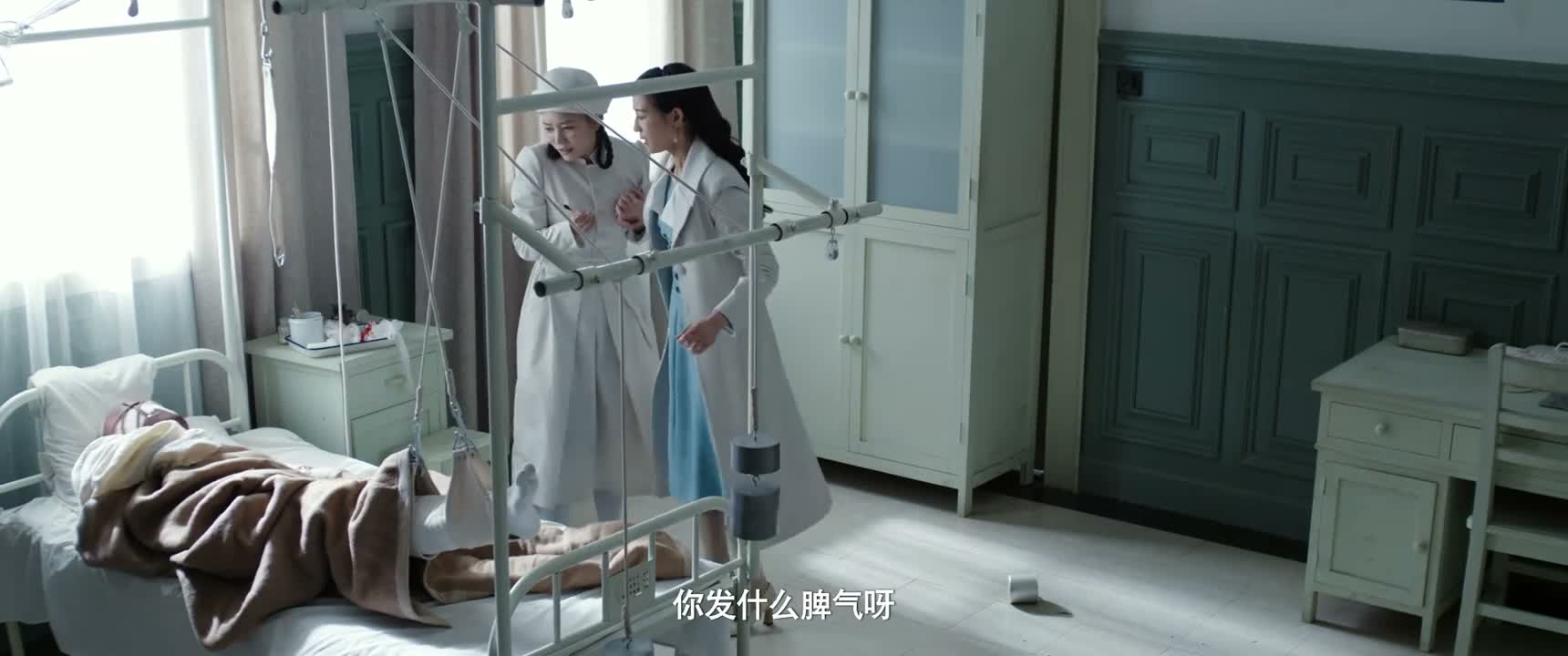
你冲我发什么火呀
“Why are you taking it out on me?”
《COURT!》
S1·E23
TIMECODE: 10:56
·
1080P MASTER AUDIO
THE DIALOGUE REEL
[-1] PREVIOUS TURN
bù zhī dào zhēn xiàng bú yào wàng jiā chuǎi cè
“Don't make assumptions if you don't know the truth.”
nǐ chōng wǒ fā shén me huǒ ya
CURRENT FOCUS
你 冲 我 发什么火 呀
“Why are you taking it out on me?”
[+1] FOLLOW-UP TURN
nǐ zhè jiù shì méi fàng xià
你这就是没放下
“This just means you haven't let go.”
Subtitles synced to millisecond timecode
Browse Show Clips →
Scene:
Crisis & Conflict
Function:
DEFENSIVE REBUTTAL
Tone:
DEFENSIVE
Emotion:
GRIEVANCE
WHAT THEY REALLY MEAN (PRAGMATIC SUBTEXT)
“Stop taking your frustrations out on me; you are clearly upset about something else.”
💡 Cultural Insight: Direct Emotional Confrontation
Using rhetorical inquiries like this is a standard colloquial tactic in Chinese close relationships to push back against misplaced negative emotional energy.
INTENT TAGS:
#deflection
#calling_out
#defensiveness
#emotional_pushback
🧩
1 CHUNKS · 1 PARTICLES
LEARNING CHUNKS & PARTICLES
冲……发火
SPOKEN CHUNK
vent anger at someone; take it out on someone
An essential spoken structure used to call someone out for misdirecting their temper.
Modal Particle「呀」 (ya)
CHANGE OF STATE
Softens the rhetorical question while expressing grievance and bewilderment.
🏮
1 EXPR · 3 GRAMMAR
VOCABULARY & EXPRESSIONS
COLLOQUIAL EXPRESSIONS:
CROSS-CINEMA CORPUS BOARD · PARALLEL SCENES
EXPLORE BY SEMANTIC SIMILARITY
Parallel Spoken Cinema Scenes (语义近邻切片)

《COURT!》 S1·E23 (10:56) · Authentic Cinema Dialogue Corpus