锅里有饭 你自己不会热呀 我不想吃剩饭
“There's food in the pot. Heat it up yourself. I don't want leftovers.”
THE DIALOGUE REEL
快点做饭啊
“Xiaoming, I'm hungry. Hurry up and cook.”
锅里有饭 你自己不会热呀 我不想 吃剩饭
“There's food in the pot. Heat it up yourself. I don't want leftovers.”
饿不死你
“Go ahead and starve.”
“Stop being so lazy and warm it up yourself! / I deserve fresh food, not garbage leftovers!”
Chinese domestic friction often revolves around frugality (eating leftovers) versus quality of life expectations among younger or spoiled family members.
LEARNING CHUNKS & PARTICLES
can't you do it yourself?
A rhetorical reprimand used to express annoyance at someone acting helpless or lazy.
leftovers
Standard term for leftover cooked rice or meals, carrying connotations of frugality or unappealing food.
Conveys irritation and heightens the rhetorical challenge of the question.
VOCABULARY & EXPRESSIONS
Parallel Spoken Cinema Scenes (语义近邻切片)
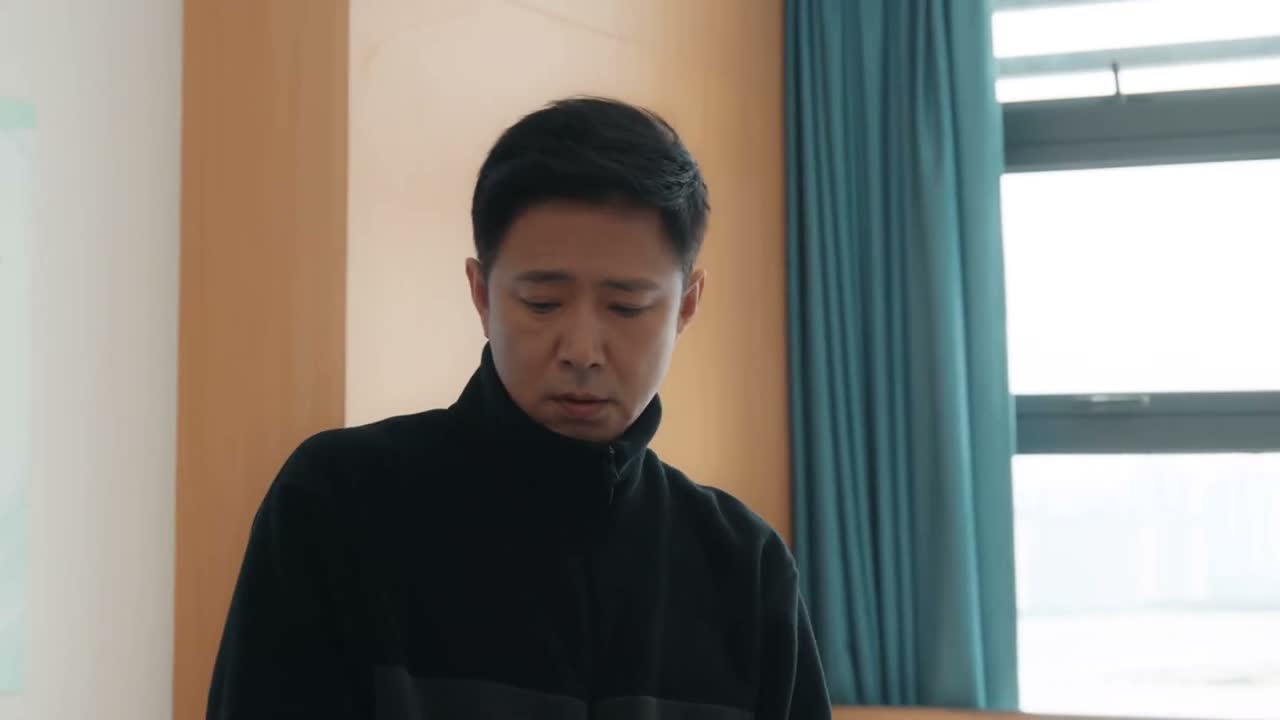
“Eat your food while it's hot.”
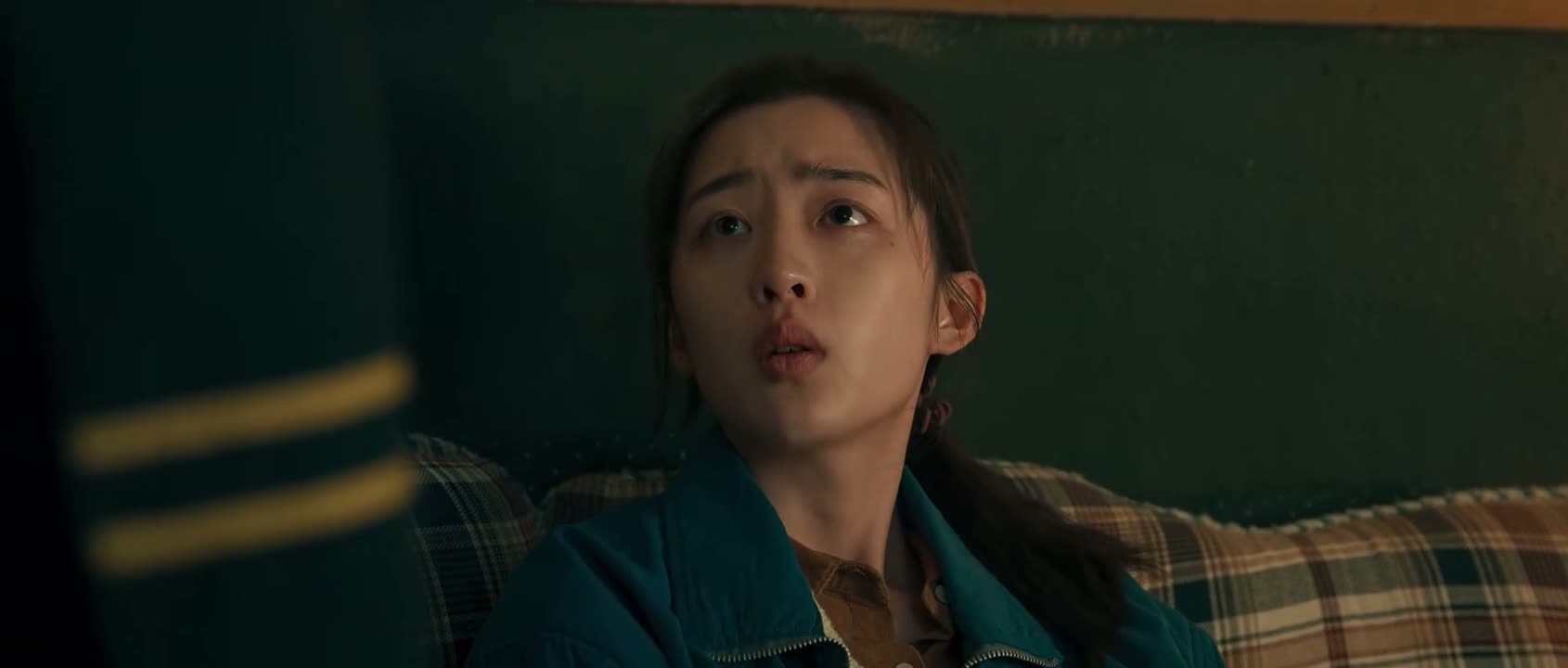
“Could you help me heat up my food?”

“Eat your food while it's hot. You have to head back”

“If you cook, save me some of every dish and heat it up later.”

“Check on the fire. The banquet will start soon.”
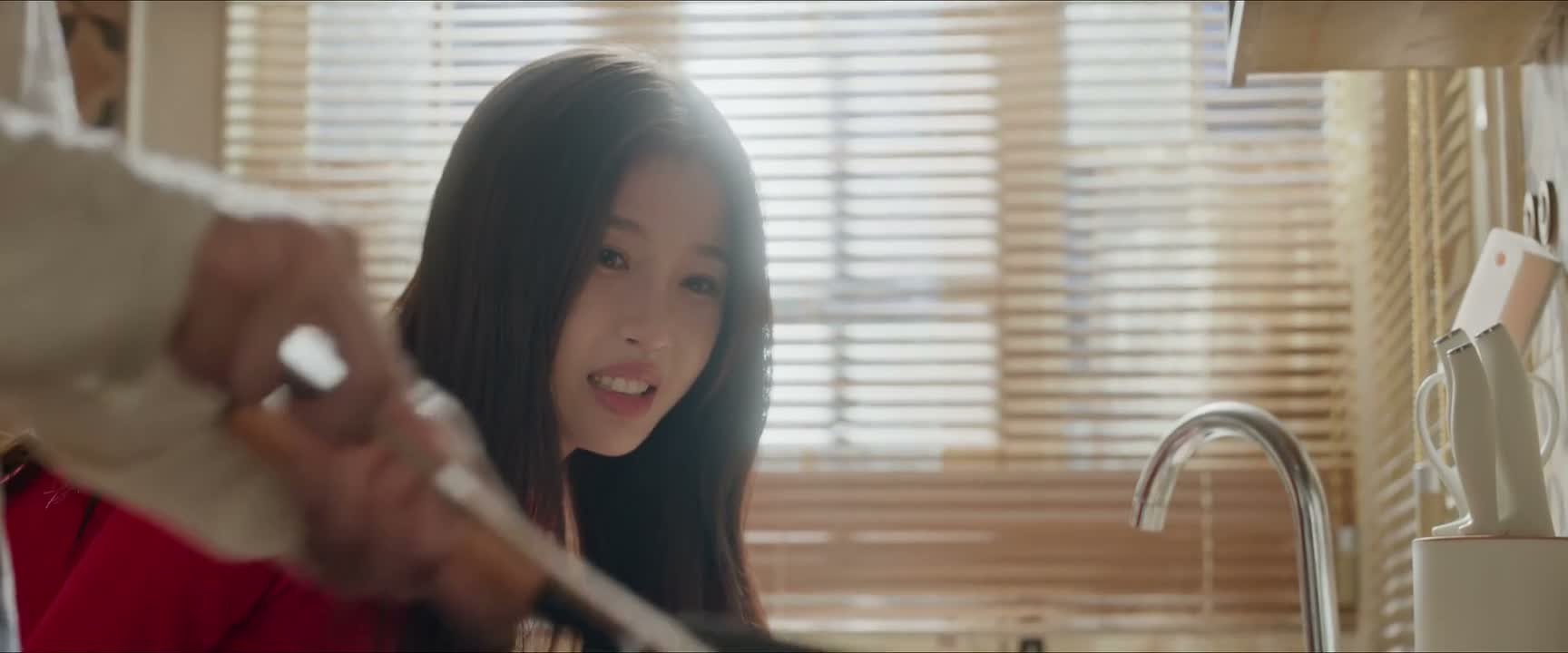
“You're making fried noodles for me?”