好 有什么麻烦的 都是老邻老居的了
“- Okay. - No trouble at all. We're all old neighbors here.”
THE DIALOGUE REEL
不让人看出悲伤
“(we all tried to keep our spirits up, not letting anyone see our sadness.)”
好 有什么麻烦的 都是 老邻老居 的 了
“- Okay. - No trouble at all. We're all old neighbors here.”
我的奶奶
“My dear grandma.”
“Don't treat me like a stranger; helping you out is second nature between old neighbors.”
Traditional Chinese culture places strong emphasis on close neighborly ties, where neighbors often function like extended family and formal politeness can feel distant.
LEARNING CHUNKS & PARTICLES
longtime neighbors
A colloquial northern Chinese term used to emphasize mutual familiarity and reduce social distance between neighbors.
it is no trouble at all
A common conversational phrase used to brush off polite apologies or expressions of gratitude.
Emphasizes the speaker's conviction and affirms the reality of the situation.
Signals an established, longstanding state of mutual familiarity.
VOCABULARY & EXPRESSIONS
Parallel Spoken Cinema Scenes (语义近邻切片)

“Okay. Zhang.”
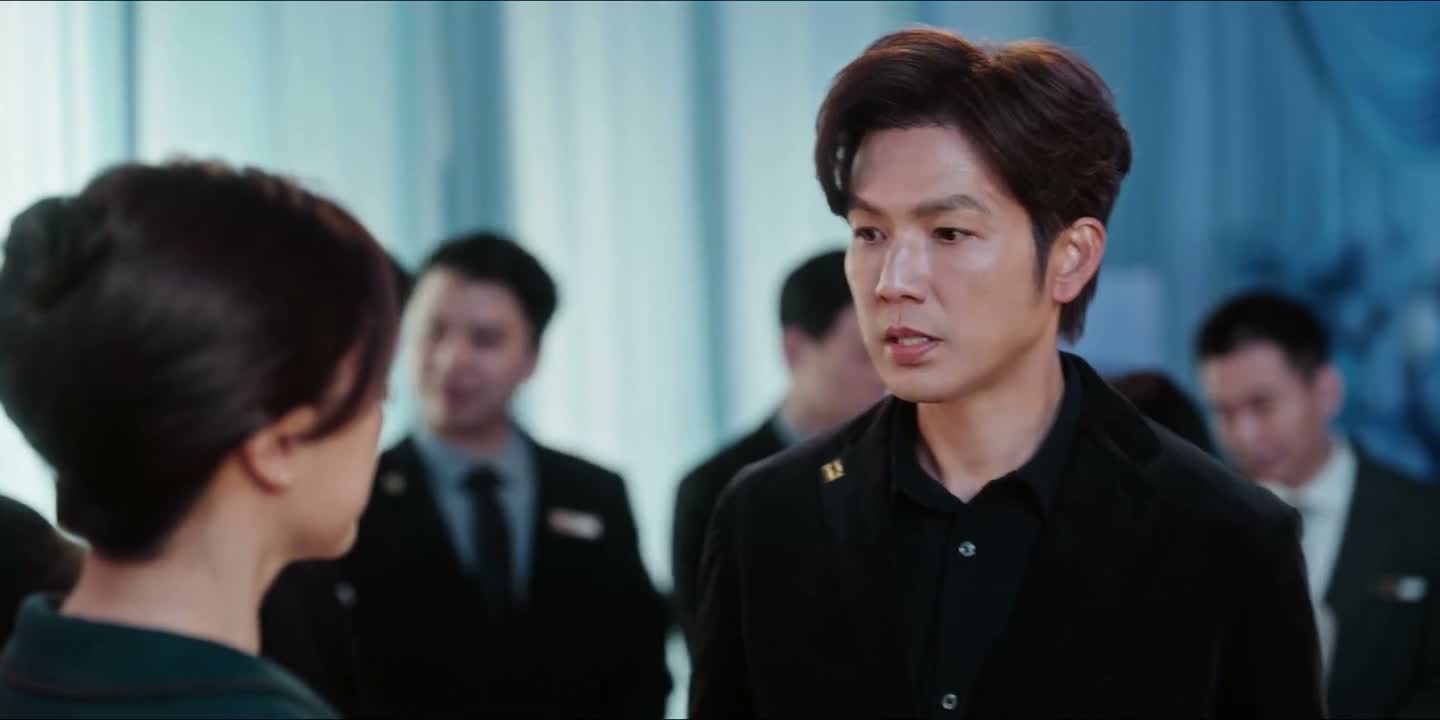
“Okay. Call me anytime if there's a problem.”

“wow, all the neighbors watched it.”

“Good. Then please,”

“Is your right hand any better? I'm sorry.”

“any better? I'm sorry.”