别拉着她 让她滚 滚 走了爸妈
“Don't hold her back. Let her go! Get lost! Bye, Dad, Mom.”
THE DIALOGUE REEL
“Lin Mei. He's just stubborn. Don't argue with him.”
别拉着她 让她滚 滚 走了 爸妈
“Don't hold her back. Let her go! Get lost! Bye, Dad, Mom.”
林梅
“Lin Mei.”
“I don't care if she leaves; stop trying to mediate and get her out of my sight!”
In Chinese family disputes, harsh words like telling family members to 'get lost' often stem from bruised pride and stubbornness rather than genuine permanent estrangement.
LEARNING CHUNKS & PARTICLES
don't hold her back
Used during arguments when an onlooker attempts to physically restrain someone from leaving.
let her get lost / tell her to get out
A harsh, offensive command used in fierce arguments to demand someone leave immediately.
VOCABULARY & EXPRESSIONS
Parallel Spoken Cinema Scenes (语义近邻切片)

“stop dragging him into endless chats.”

“I just don't know where to go after I get out.”
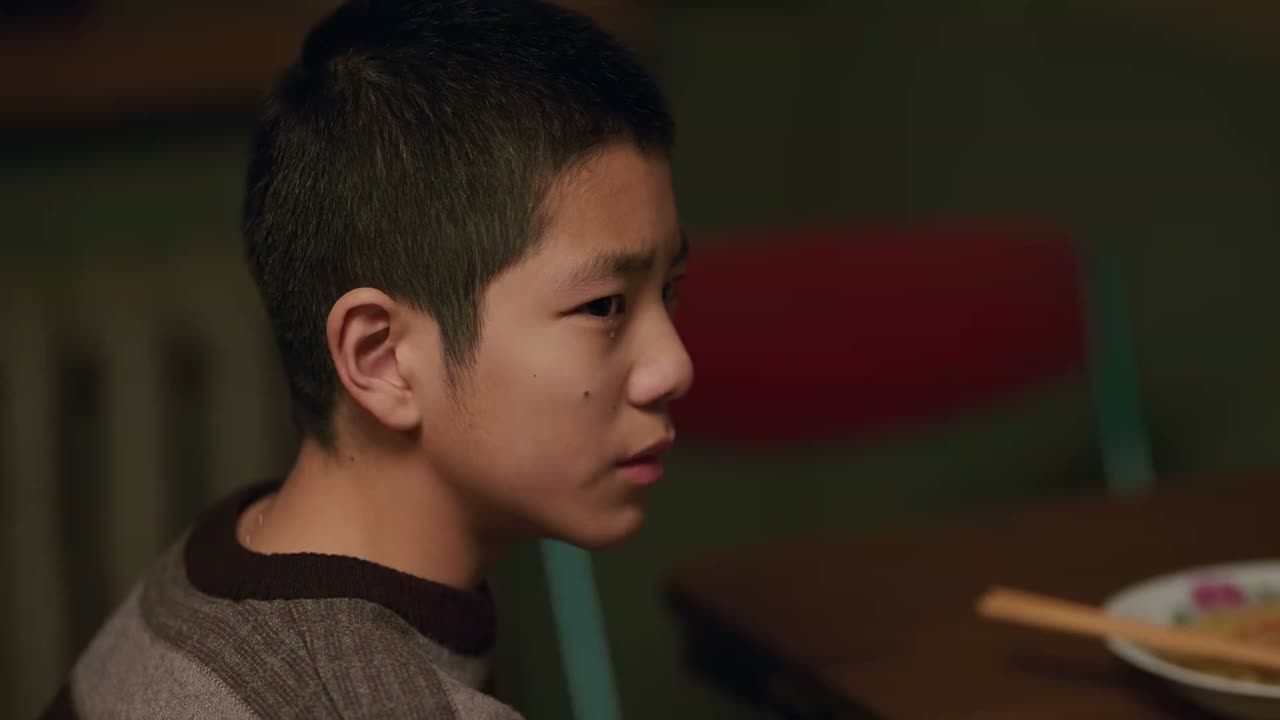
“Don't be angry. I said get lost!”

“She told me to drag you out of here. [sighs]”

“Make those outsiders get out! -Get out! -Yes!”

“Get out! Get out! Everyone, attention!”