MC
MandarinClips Cinema Corpus
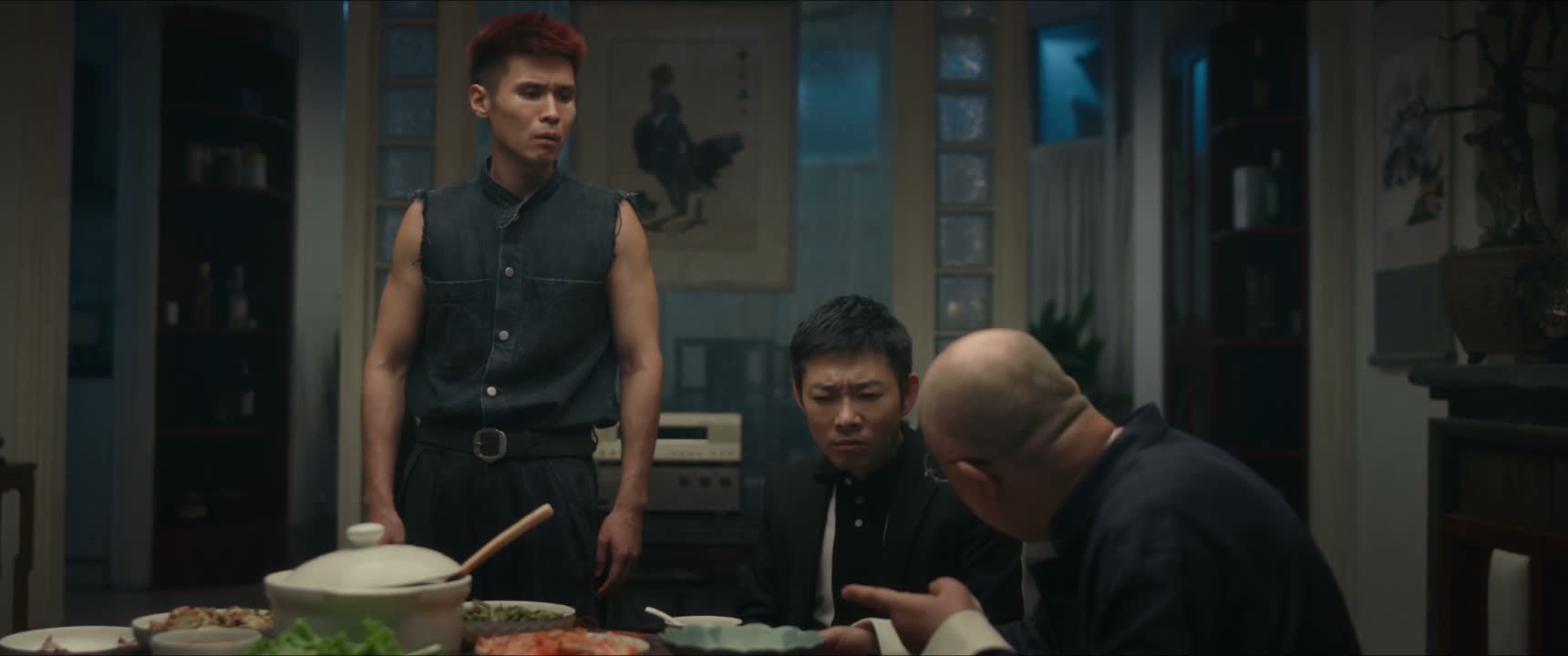
《Archives: The Nanyang Mystery》 S1·E3 (29:15) HSK 6
yě jiù shì shuō zhè sān gè rén kěn dìng shì zài chuán shàng zhōng de dú

也就是说 这三个人肯定是在船上中的毒

“This means these three people must have been poisoned aboard the ship.”

《Archives: The Nanyang Mystery》 S1·E3
TIMECODE: 29:15 · 1080P MASTER AUDIO

THE DIALOGUE REEL

1+1+1 SPOKEN CONTINUITY
[-1] PREVIOUS TURN méi yǒu rén zhōng le huáng hūn cǎo dú

没有人中了黄昏草毒

“no one was poisoned by the Twilight Grass.”

yě jiù shì shuō zhè sān gè rén kěn dìng shì zài chuán shàng zhōng de dú CURRENT FOCUS

也就是说 这三个人 肯定是 在船上中的毒

“This means these three people must have been poisoned aboard the ship.”

[+1] FOLLOW-UP TURN nǐ kě yǐ zài zǐ xì kàn kàn zhè sān gè cūn zi de wèi zhì

“You can take a closer look [Yeruicheng] [Yungangyi] [Langhuacheng] at the locations of these villages.”

Subtitles synced to millisecond timecode Browse Show Clips →
Scene: Legal & Police
Function: DEDUCING
Tone: ASSERTIVE
Emotion: ANTICIPATION
WHAT THEY REALLY MEAN (PRAGMATIC SUBTEXT)

Direct spoken expression in this communicative setting.

💡 Cultural Insight: Deductive Dialogue in Procedural Contexts

In Chinese investigative narratives, speakers frequently use marker phrases like '也就是说' to align understanding before proposing the next investigative step.

INTENT TAGS: #deduction #clarification #asserting #investigation
🧩

LEARNING CHUNKS & PARTICLES

2 CHUNKS · 0 PARTICLES
也就是说 SPOKEN CHUNK

that is to say; in other words

A vital transitional phrase used in discussions to summarize or deduce a conclusion from prior evidence.

中的毒 SPOKEN CHUNK

contracted poison; got poisoned

A split structure of '中毒' (to be poisoned) with '的' acting as a nominalizer or past marker.
🏮

VOCABULARY & EXPRESSIONS

2 EXPR · 0 GRAMMAR
CROSS-CINEMA CORPUS BOARD · PARALLEL SCENES

Parallel Spoken Cinema Scenes (语义近邻切片)

EXPLORE BY SEMANTIC SIMILARITY
《Archives: The Nanyang Mystery》 S1·E3 (29:15) · Authentic Cinema Dialogue Corpus