也就是说
yě jiù shì shuōCommon spoken expression used by native Chinese speakers in daily life.
[Scene: 警匪刑侦]
(5 clips) 00:03
(干啥呀) ── Previous context
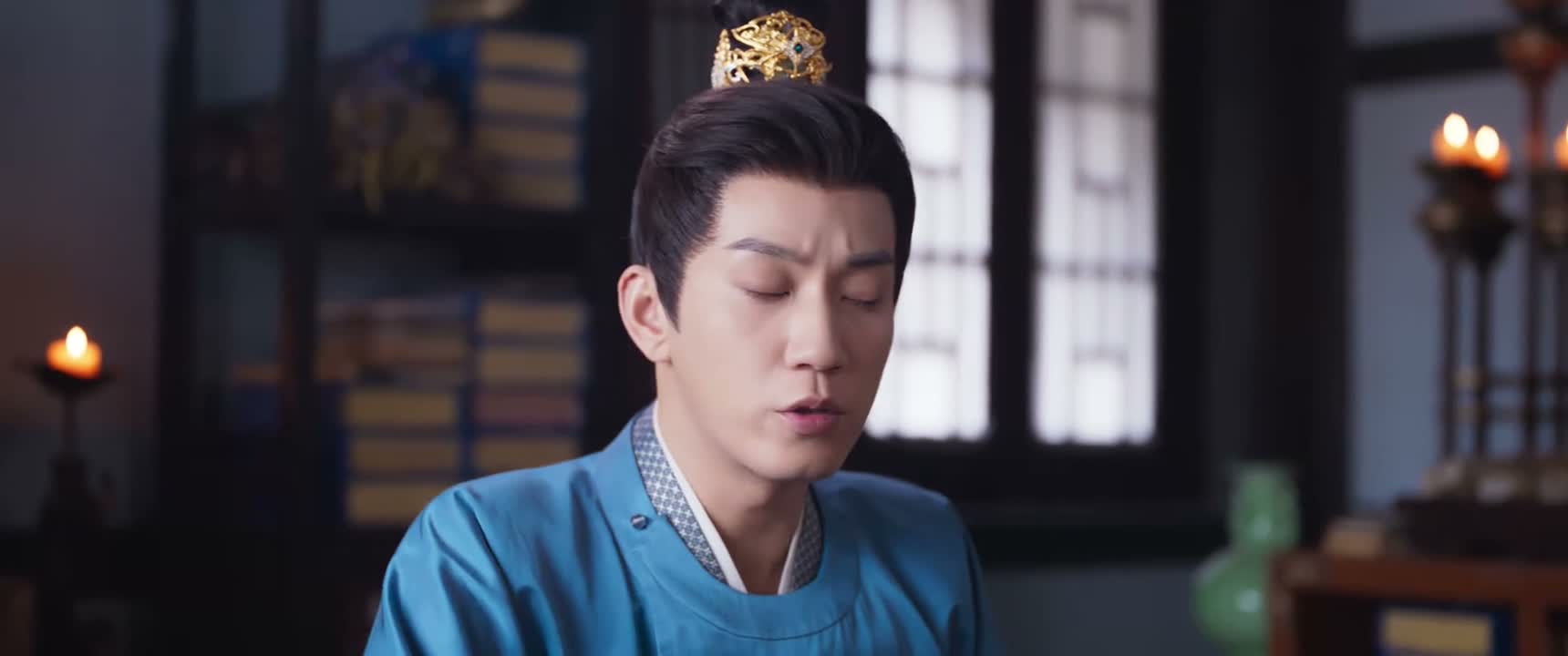
“So, the last people you saw were Zhang Bing and Zhang Tao?”
 00:03
 00:03
(没有人中了黄昏草毒) ── Previous context
“This means these three people must have been poisoned aboard the ship.”
 00:03
(你继续说) ── Previous context
“So the landlord doesn't actually know what he really looks like either.”
 00:03
(因为他想诈你的口供) ── Previous context
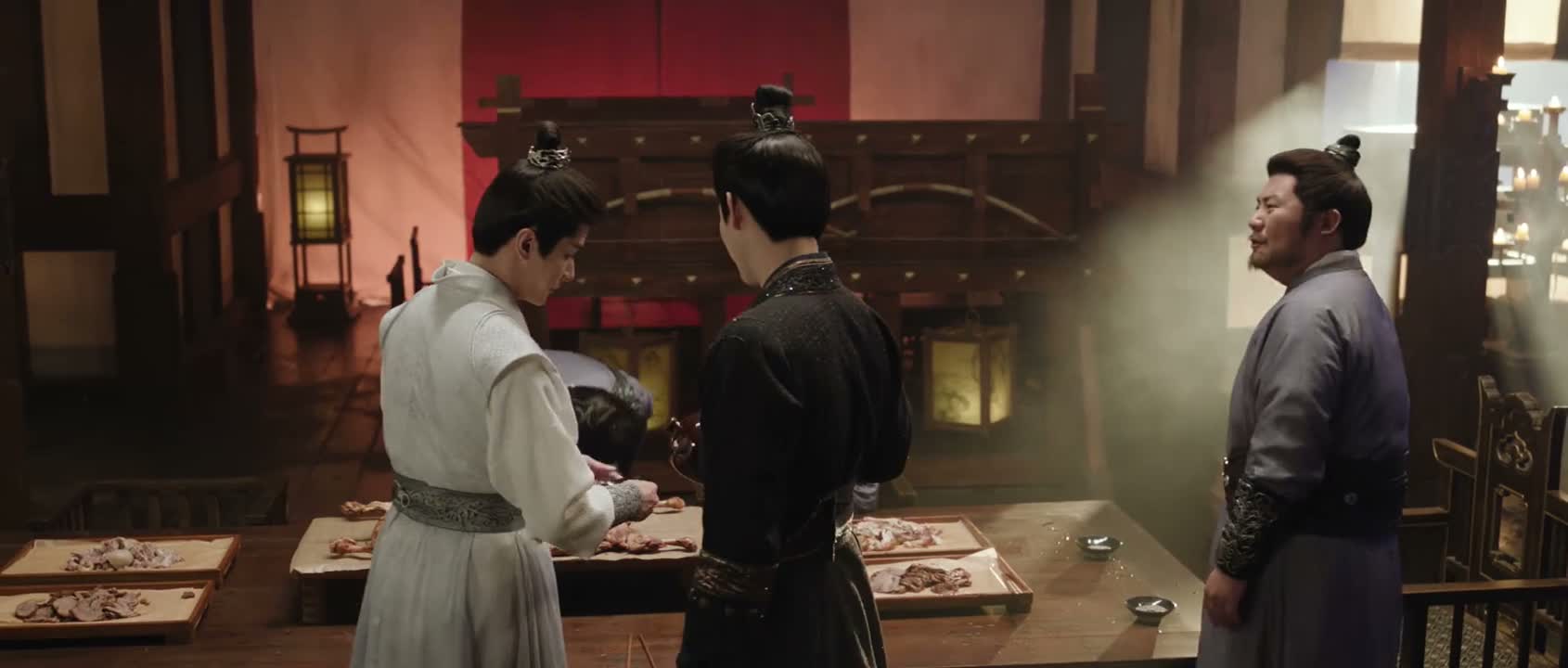
“In other words, the police's recent investigation is Xu Jiang.”
[Scene: 其他场景]
(2 clips) 00:02
 00:02
[Scene: 商务沟通]
(1 clips)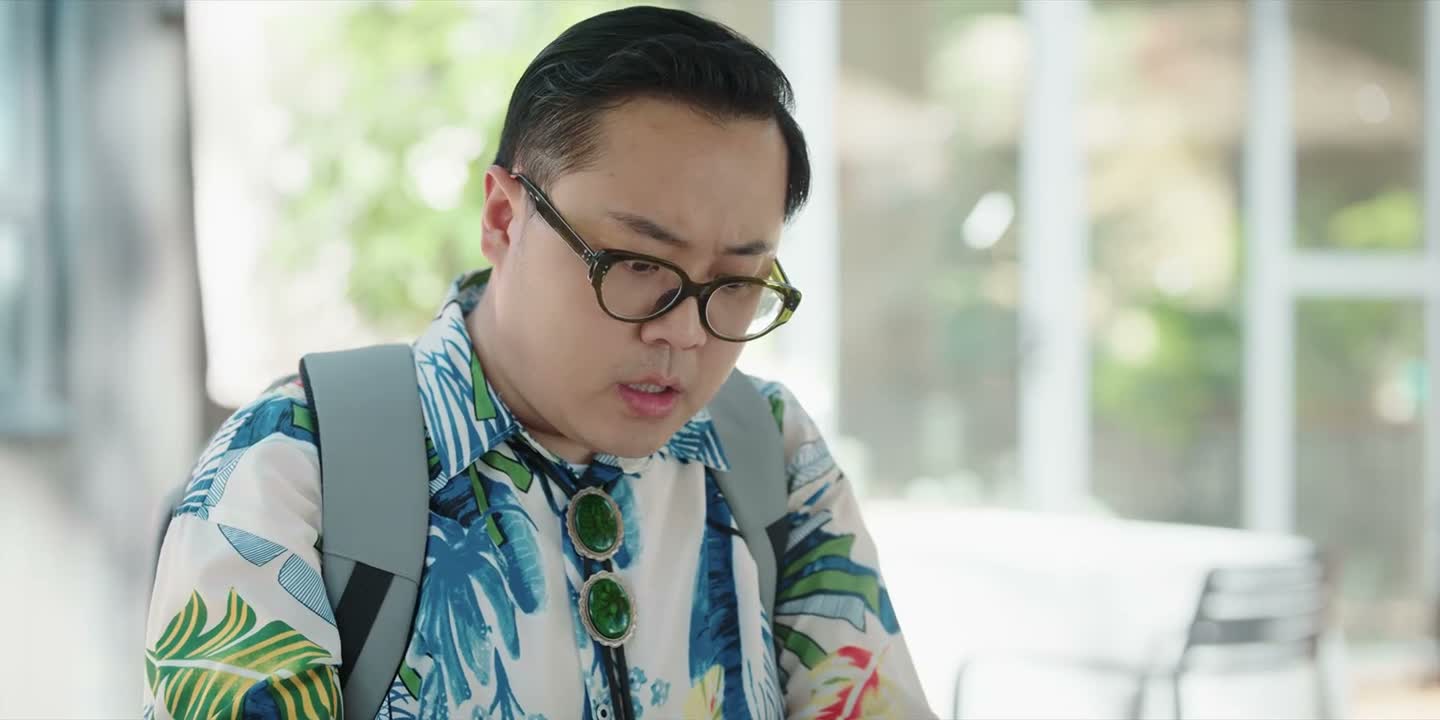 00:03
[Scene: 历史宫廷]
(1 clips) 00:02
[Scene: 社交聚会]
(1 clips) 00:03
(我把车抵押给他了) ── Previous context
“So, now, you don't just have no house, but you don't have a car either?”
[Scene: 职场工作]
(1 clips) 00:03
(那么小夏师妹) ── Previous context
“basically, your design remains merely on paper for now.”
📌 得了
→Nuance: 均表达对可能性的肯定推测
📌 不知道
→Nuance: 共享核心口语谓词: [不知道]
📌 不得了
→Nuance: 均表达对可能性的肯定推测
📌 万年老二
→Nuance: 同向近义词根配对: [就是 ↔ 就是说]
📌 谁知道
→Nuance: 同向近义词根配对: [现在 ↔ 今天]
📌 不是
→Nuance: 同向近义词根配对: [现在 ↔ 今天]
📌 来
→Nuance: 句式极近,由诉讼泛化至调查
📌 来
→Nuance: 同向近义词根配对: [他们 ↔ 她们]
📌 会不会
→Nuance: 反问形式提出可能,表达更委婉
📌 还以为
→Nuance: 同向近义词根配对: [童年 ↔ 小时候]