妈妈是不是不想要我了
“Does Mom not want me anymore?”
THE DIALOGUE REEL
我知道 夏女士和我交代过了
“[Wear a helmet when cycling, get home safely] I know. Ms. Xia already told me.”
妈妈 是不是不想要我了
“Does Mom not want me anymore?”
珊珊你这么可爱 妈妈怎么可能会不要你啊
“Shanshan, you're so adorable. How could Mom not want you?”
“I am terrified that Mommy has given up on me; please tell me that's not true.”
Children left temporarily with guardians often harbor intense abandonment fears due to customary indirect communication patterns regarding adult family arrangements.
LEARNING CHUNKS & PARTICLES
could it be that / is it true that
Used to pose a question tentative in form but laden with underlying anxiety or suspicion.
doesn't want me anymore
A colloquial and emotionally loaded way for a child to express fear of parental abandonment.
Marks a change of state, conveying the child's worry that maternal affection has ceased.
VOCABULARY & EXPRESSIONS
Parallel Spoken Cinema Scenes (语义近邻切片)
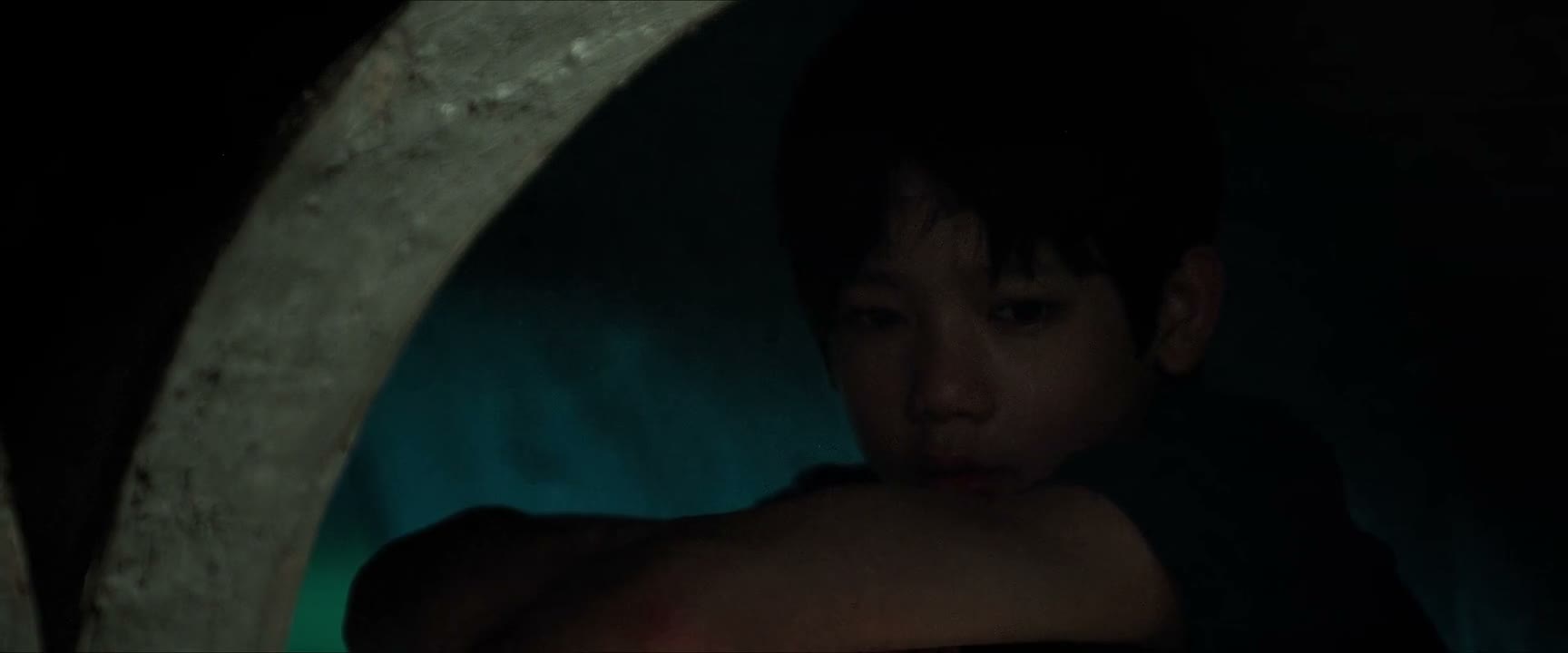
“I miss my mom.”

“I thought a lot too.”
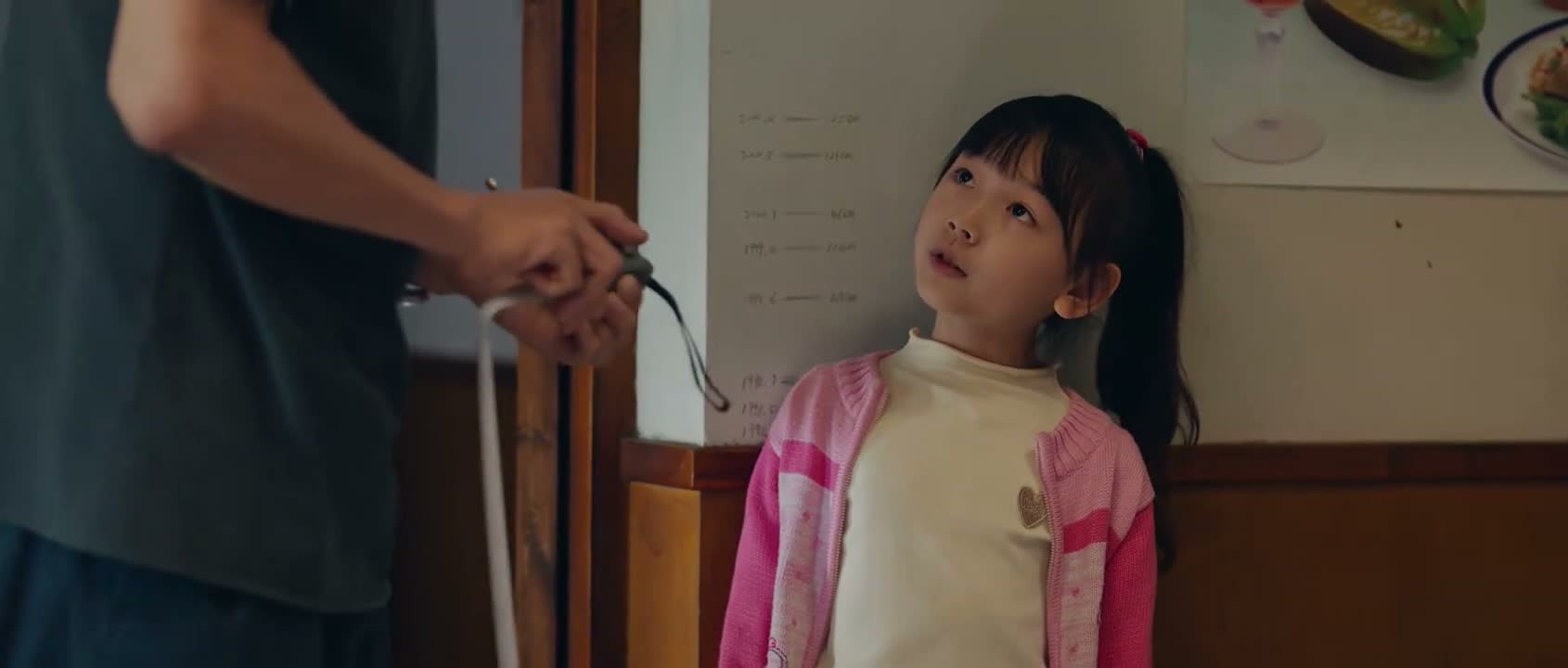
“Dad, Mom doesn't seem happy.”

“(I want Mom.)”

“When your mom divorced and abandoned you,”
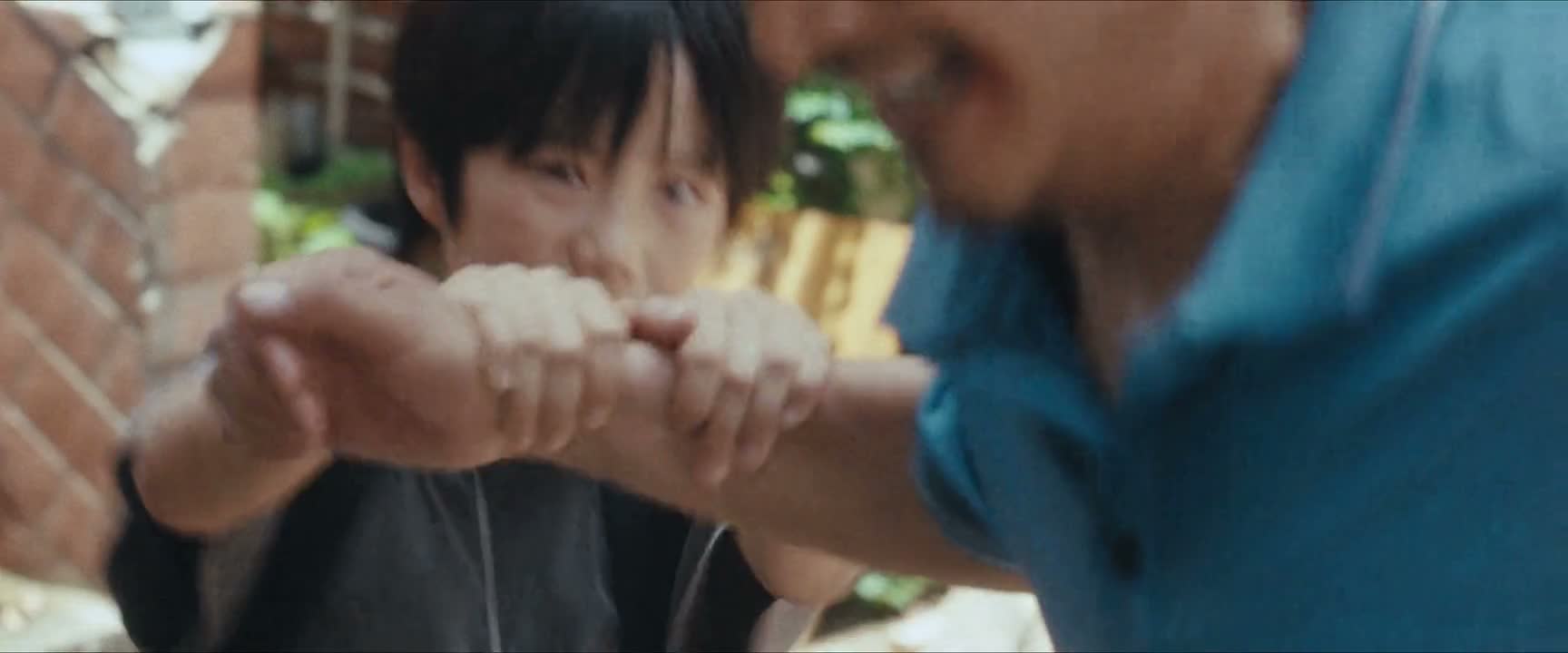
“Don't hit Mom! Get away!”