觉得自己很有男子气概是吗
“♪ But we once fell in love, went wild ♪ You think you're very manly, huh? ♪ Split up, and lost each other ♪”
THE DIALOGUE REEL
自己一个人去面对端王
“♪ Can't I bear to see even a single tear in your eyes? ♪ and went to face Prince Duan alone.”
觉得 自己 很有 男子气概 是吗
“♪ But we once fell in love, went wild ♪ You think you're very manly, huh? ♪ Split up, and lost each other ♪”
那么想逞英雄
“If you're so eager to play the hero, ♪ The first time I met you ♪”
“You are not being brave, you are being stupidly reckless.”
In Chinese relationships, acting as an isolated hero without consulting one's partner is often seen as selfish and dangerous rather than purely noble.
LEARNING CHUNKS & PARTICLES
manliness, masculine bravado
Used to describe masculine strength or courage, often used sarcastically when calling out foolish machismo.
is that so?, right?
Placed at the end of a rhetorical or skeptical question to challenge the listener's assumption.
Turns the statement into a rhetorical question laden with skepticism and disapproval.
VOCABULARY & EXPRESSIONS
Parallel Spoken Cinema Scenes (语义近邻切片)
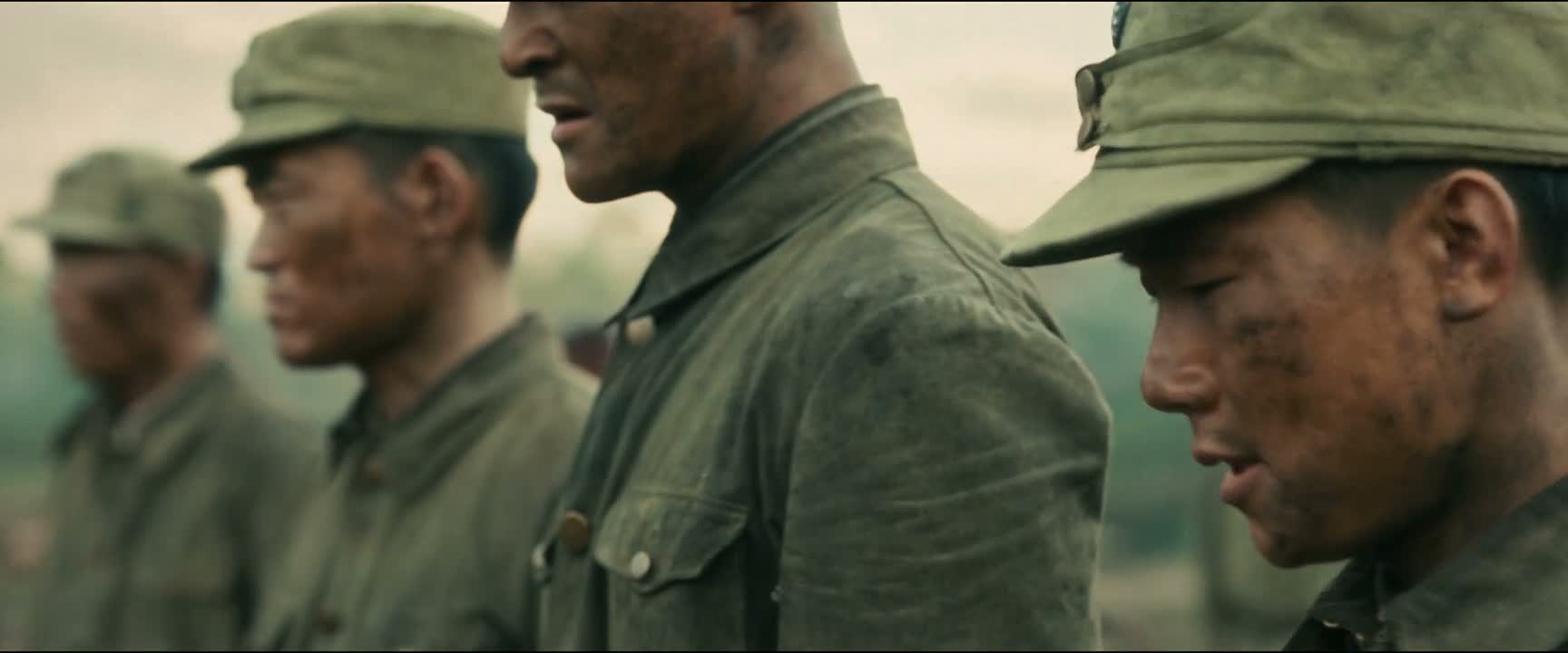
“Are you even a man?”

“Look at yourself. Is this how a man should act like?”
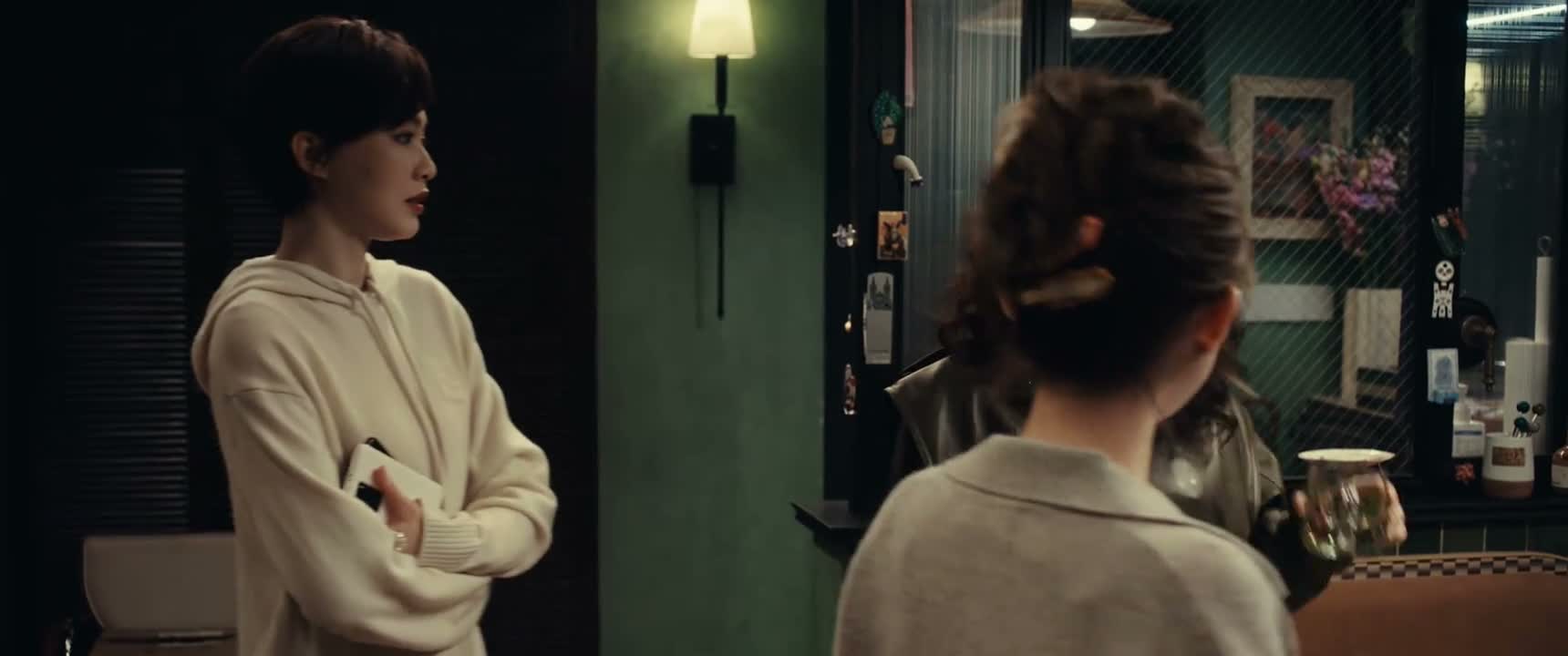
“That's pretty stand-up of him.”