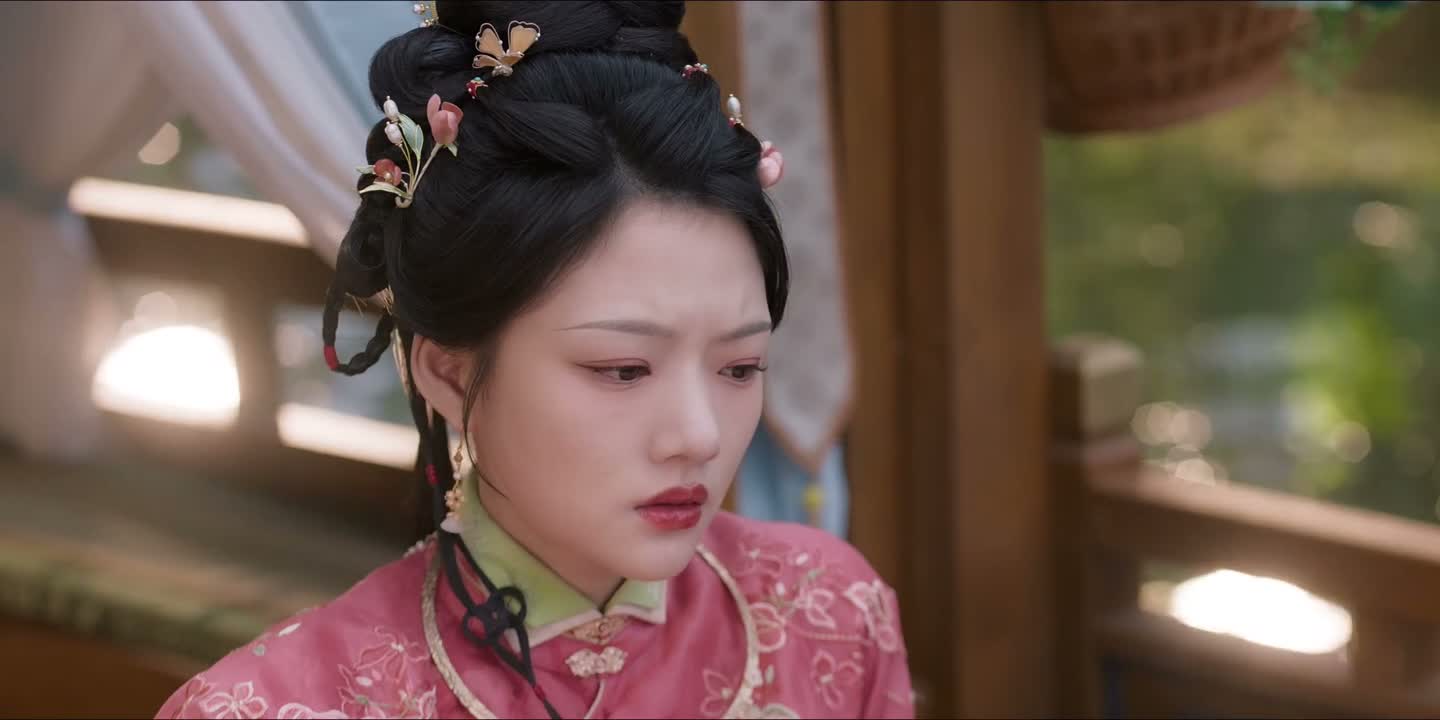
早知道我就去巡店了 省得让你们嫌弃我
“I should've gone on store visits. Wouldn't have to be a nuisance.”
THE DIALOGUE REEL
“Don't stand there blocking my light. Move aside.”
早知道 我就去巡店了 省得 让你们 嫌弃我
“I should've gone on store visits. Wouldn't have to be a nuisance.”
讨厌
“Humph.”
“You are picking on me, so I might as well have made myself scarce!”
Feigning resentment or victimhood over minor inconveniences is a classic way close Chinese family members and friends express intimacy.
LEARNING CHUNKS & PARTICLES
if I had known earlier; had I known
Commonly placed at the beginning of a clause to express regret or counterfactual reflection.
so as to avoid; to save the hassle of
Used before an undesirable consequence to indicate an action taken to prevent it.
to dislike, shun, or find fault with someone
Often used in self-deprecating or playful ways among close friends and family.
Marks an unrealized counterfactual outcome ('would have gone').
VOCABULARY & EXPRESSIONS
Parallel Spoken Cinema Scenes (语义近邻切片)

“If I had known earlier, I should've asked her to leave just now!”

“If I had known, I wouldn't have transferred you to the Municipal Bureau.”
“I should have found another way...”

“I should have taken the initiative to strike.”

“If I had known this, I wouldn't have come to this construction site with you.”

“I should've done it myself.”