阿尧回来了 你这是做什么呢 嫂嫂
“Xiuyao, you're back. What are you doing here? Sister-in-law.”
THE DIALOGUE REEL
“Your Highness, is Her Highness not here?”
阿尧 回来了 你这是做什么呢 嫂嫂
“Xiuyao, you're back. What are you doing here? Sister-in-law.”
我买了些蜜糕
“I bought some honey cakes and wanted to ask if Li would like any.”
Direct spoken expression in this communicative setting.
Addressing female in-laws as '嫂嫂' (elder brother's wife) is standard practice in Chinese families to maintain clear relational roles and domestic intimacy.
LEARNING CHUNKS & PARTICLES
What are you doing here? / What is this that you are working on?
A natural, colloquial everyday question to ask someone when you see them engaged in an activity.
Signals the completion of an arrival event ('is back').
Softens the inquiry, indicating casual curiosity rather than an interrogation.
VOCABULARY & EXPRESSIONS
Parallel Spoken Cinema Scenes (语义近邻切片)
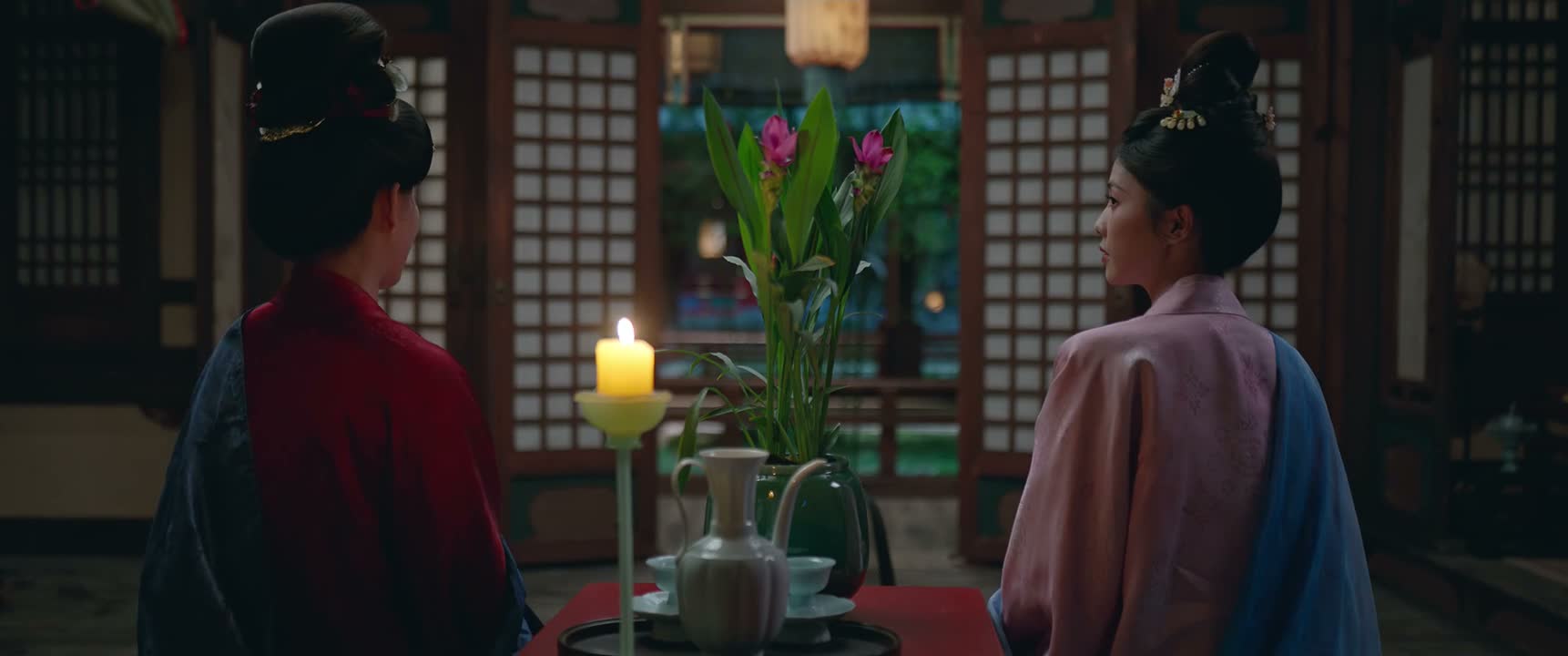
“Yao will be back soon.”
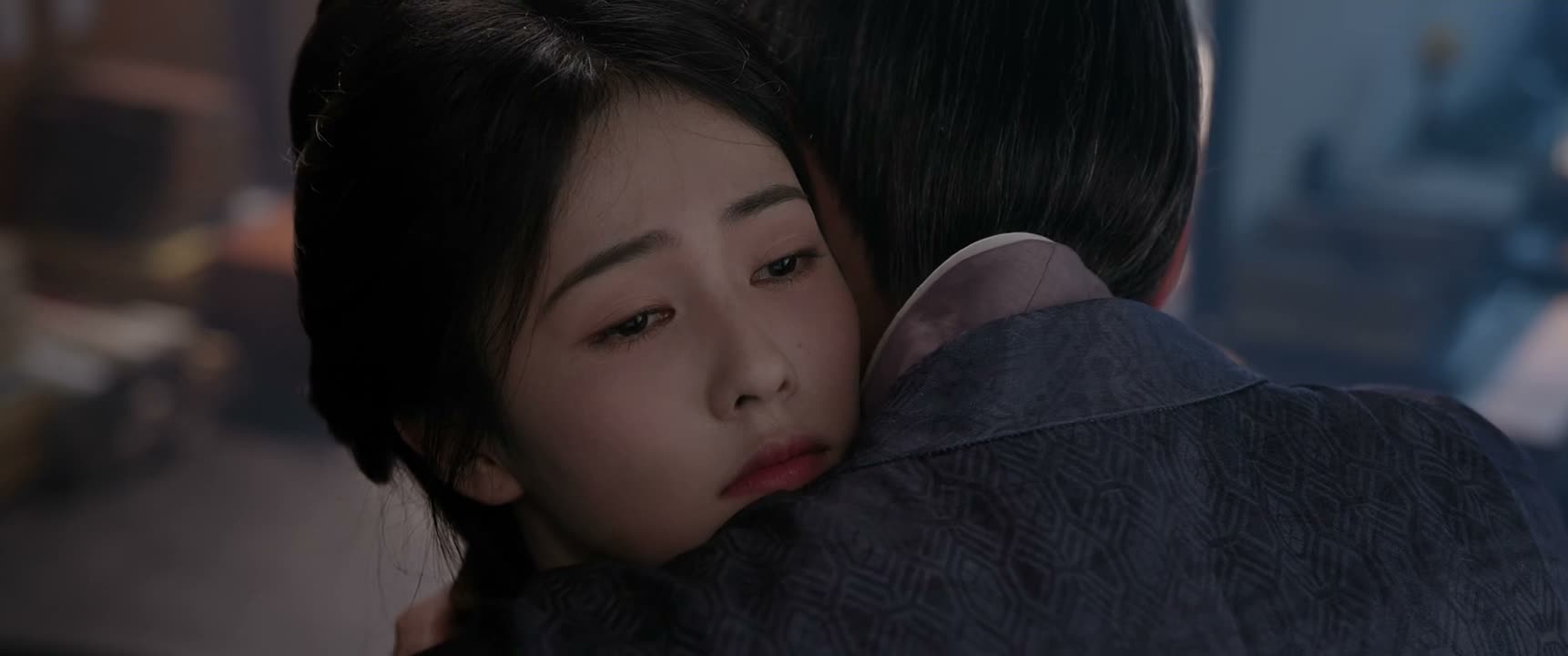
“Yao, what exactly happened?”
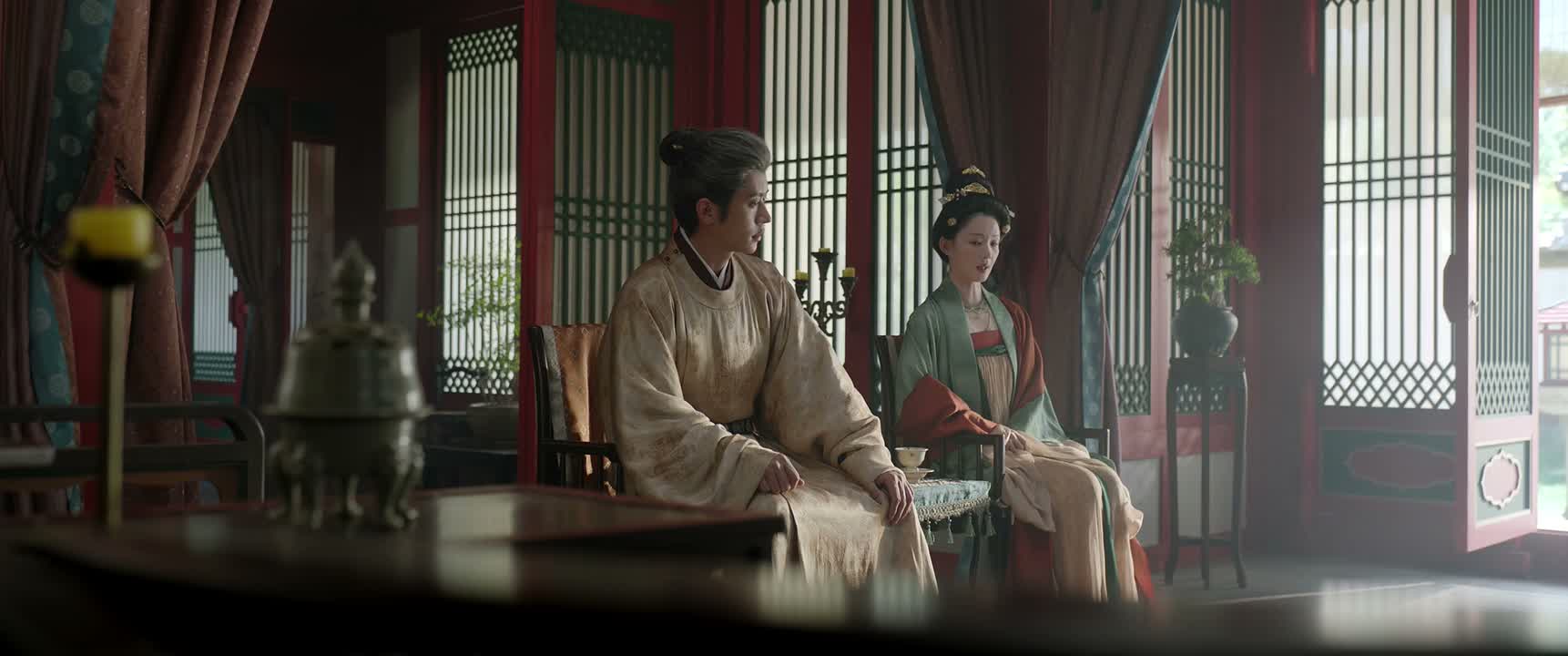
“Yao, you should know why.”

“Yao, don't be afraid.”

“Right, I put the letter from Yao for you here.”

“It's been almost five months since Yao left.”