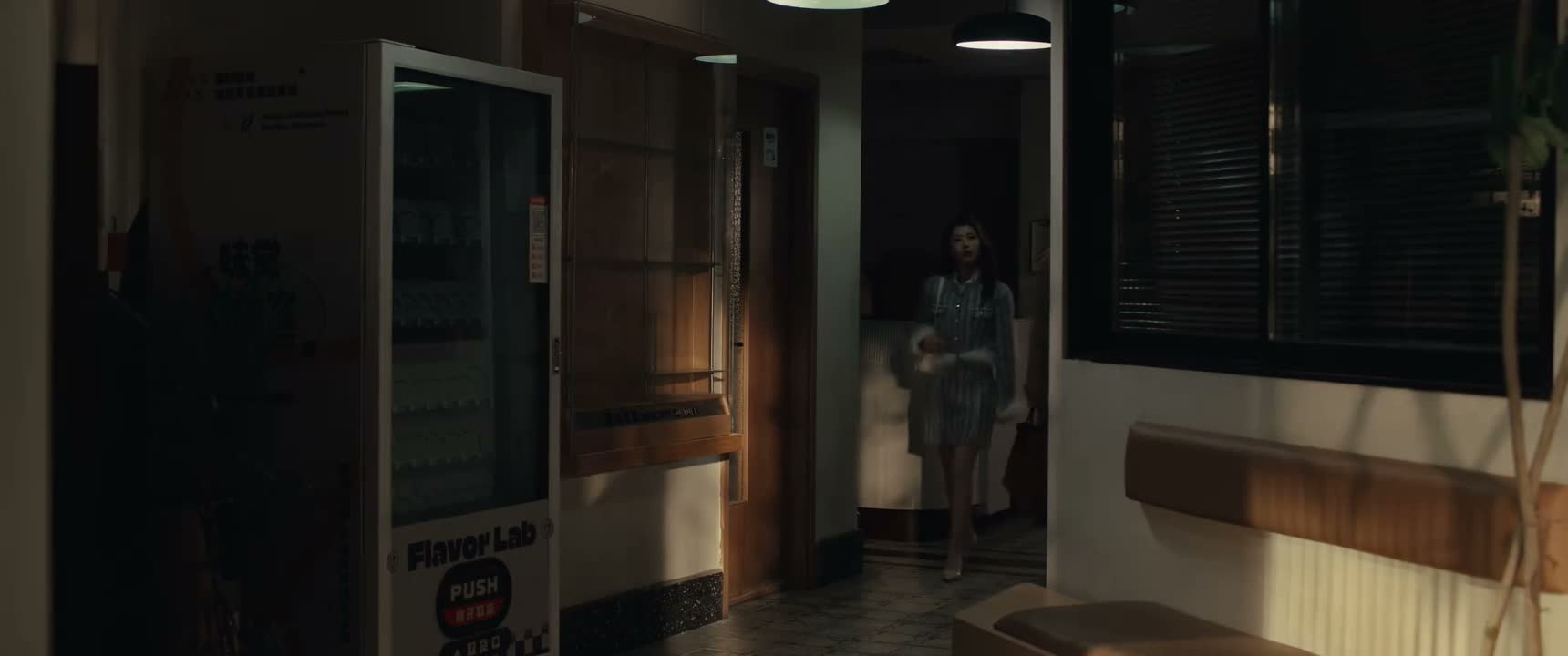
都走了三四日了 她没跟你说吗
“She left three or four days ago. Didn't she tell you?”
THE DIALOGUE REEL
什么时候去的
“When did she leave?”
都走 了三四日了 她 没跟你说吗
“She left three or four days ago. Didn't she tell you?”
无量慈悲
“Boundless benevolence.”
“She left days ago; I assumed you would know this already.”
Assuming someone should know another person's departure reflects the cultural expectation that close associates keep each other updated.
LEARNING CHUNKS & PARTICLES
already (indicating elapsed time or extremity)
Use this construction to emphasize that an action or time period has progressed further than expected.
three or four days
A slightly traditional or literary way to say 'three or four days', equivalent to '三四天' in modern casual speech.
Marks completed time duration and change of state.
Turns the statement into a direct confirmation question.
VOCABULARY & EXPRESSIONS
Parallel Spoken Cinema Scenes (语义近邻切片)

“I haven't seen her for a very long time. Have you visited where she used to live?”

“How could she not? I don't know where she went.”
“It doesn't feel like I've been away long, but it seems like a lot of time has passed.”

“Didn't I say I'd give it to you in a few days? I can't wait.”

“I've been in bed for two weeks. What do you think? I'll come see you tomorrow.”

“I never saw her again.”