我错了行吗 我真的错了 李尖尖
“I was wrong, OK? I was really wrong. Li Jianjian,”
THE DIALOGUE REEL
你能不能别说这事了
“Can you stop talking about it?”
我错了行吗 我 真的 错了 李尖尖
“I was wrong, OK? I was really wrong. Li Jianjian,”
穷寇莫追
“give him a break.”
“I admit fault, now please just drop it and leave me alone.”
In close interpersonal conflicts, people often verbally capitulate ('我错了行吗') to quickly extinguish ongoing badgering rather than offer sincere inner remorse.
LEARNING CHUNKS & PARTICLES
I was wrong / my mistake
Common spoken confession or concession, often delivered swiftly to de-escalate tension.
is that okay? / alright?
Used at the end of a sentence to seek agreement or, as here, to impatiently urge someone to stop nagging.
Converts the statement into an exasperated request for acceptance to immediately drop the issue.
Marks the change of state and completion of the realization of fault.
VOCABULARY & EXPRESSIONS
Parallel Spoken Cinema Scenes (语义近邻切片)

“I-I was wrong, okay? Well...”
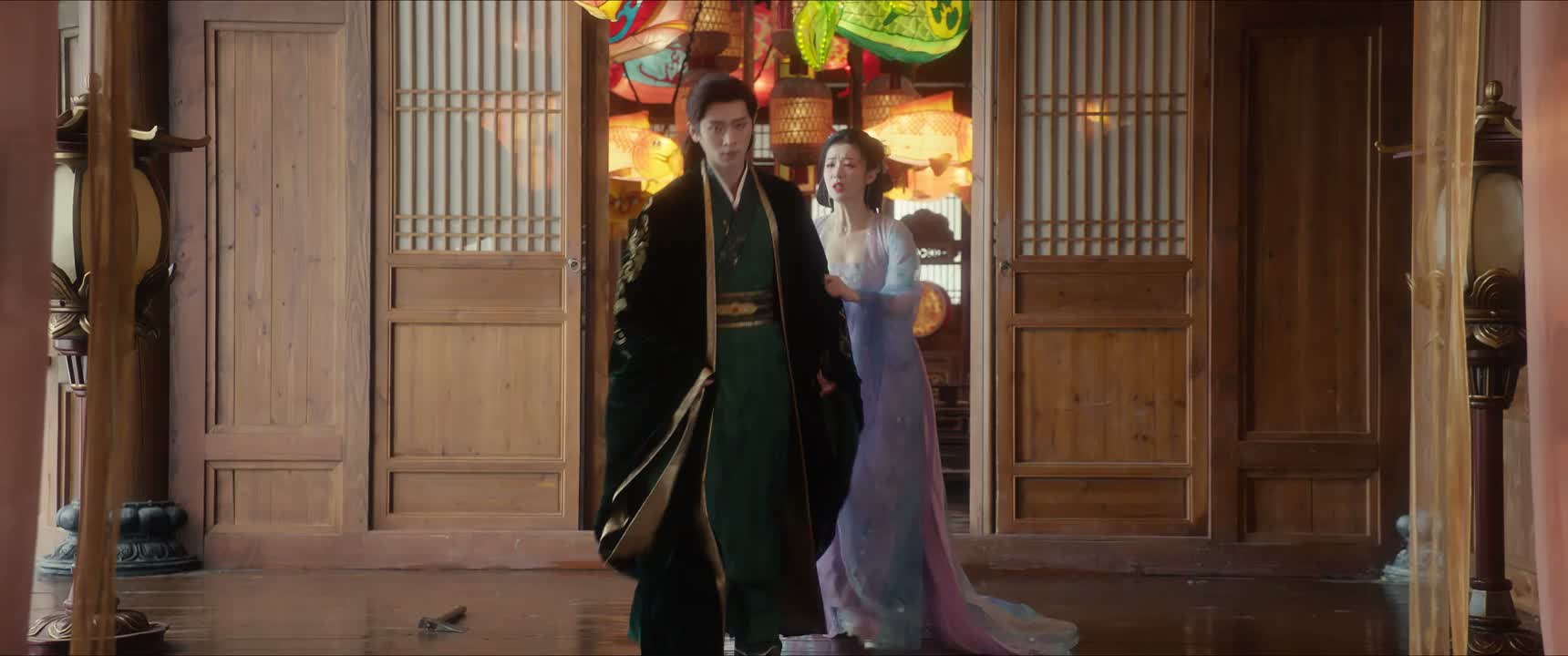
“I was wrong. Alright?”
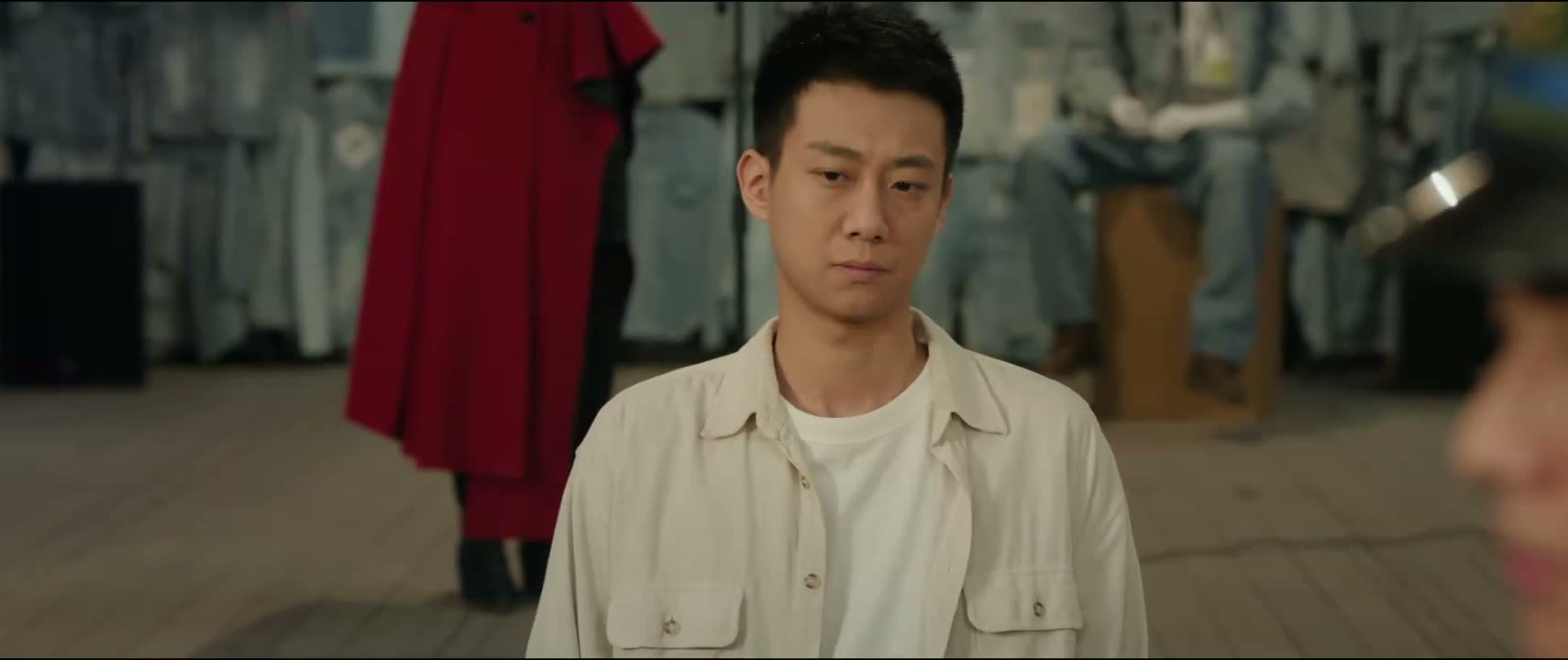
“I'm so sorry! Sorry!”
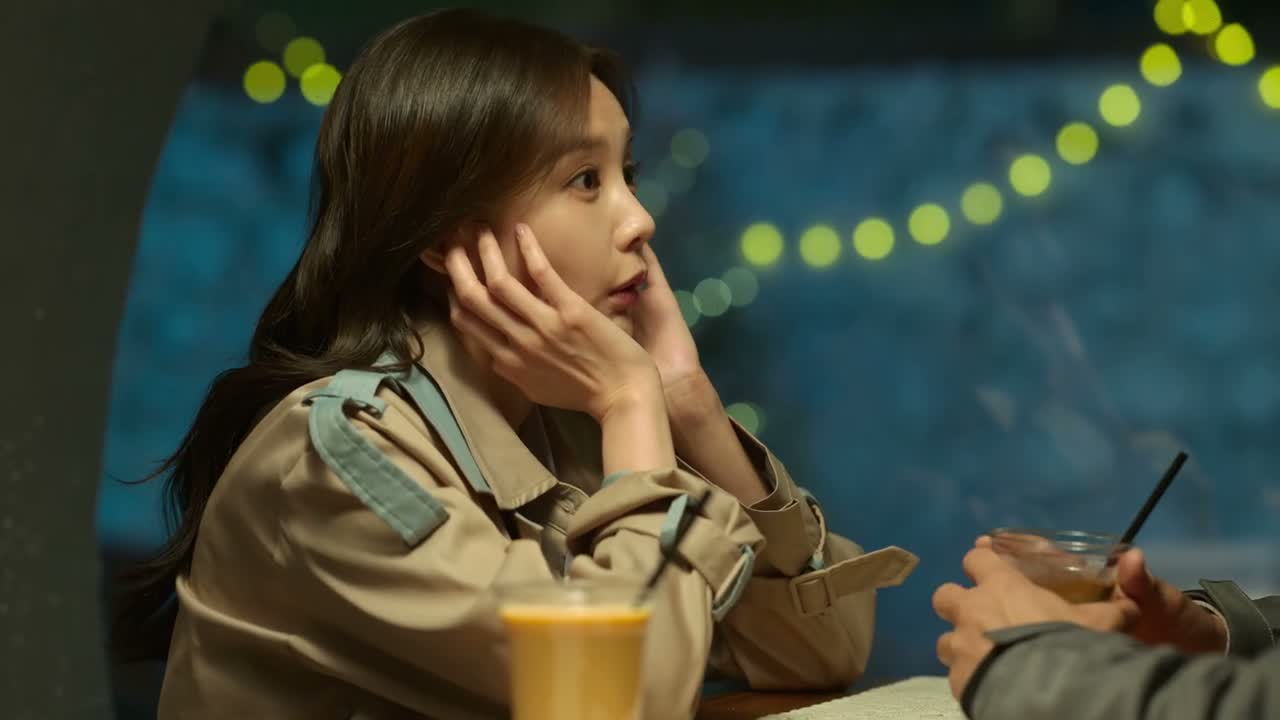
“I was wrong. My bad.”
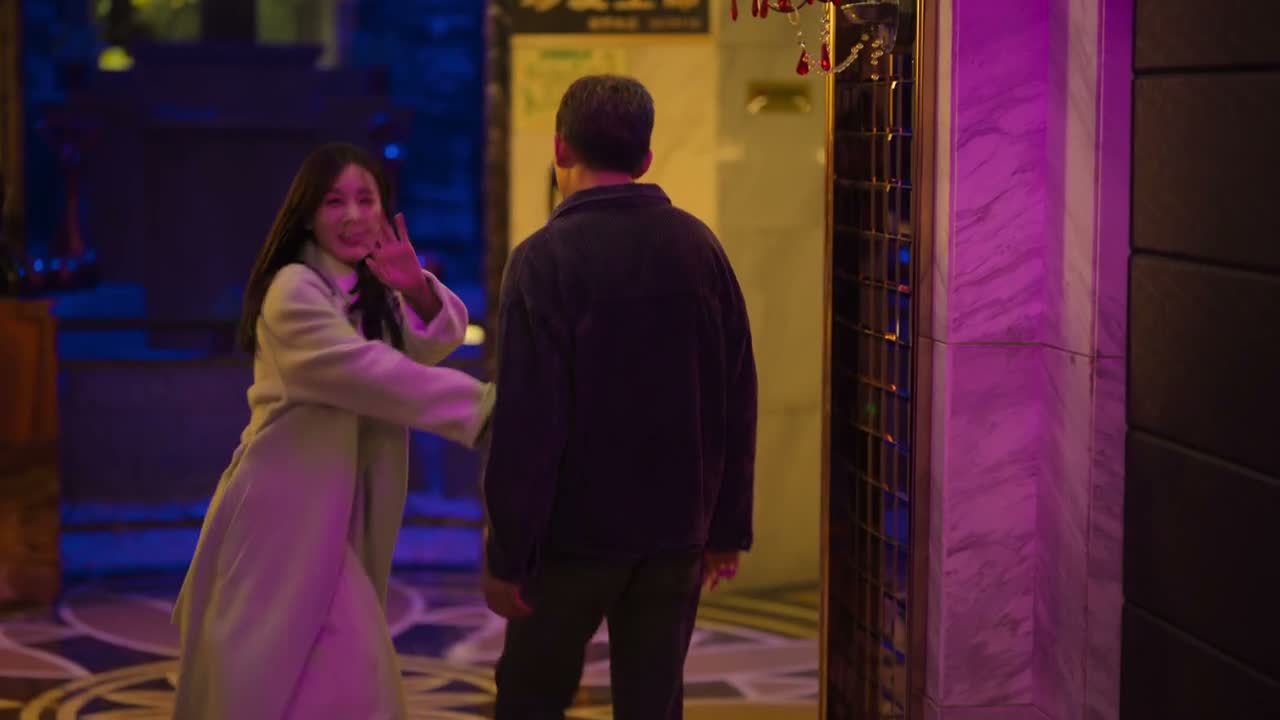
“I was wrong. I was wrong. What did you do wrong?”

“Mr. Zheng, I was wrong! I lost my mind.”