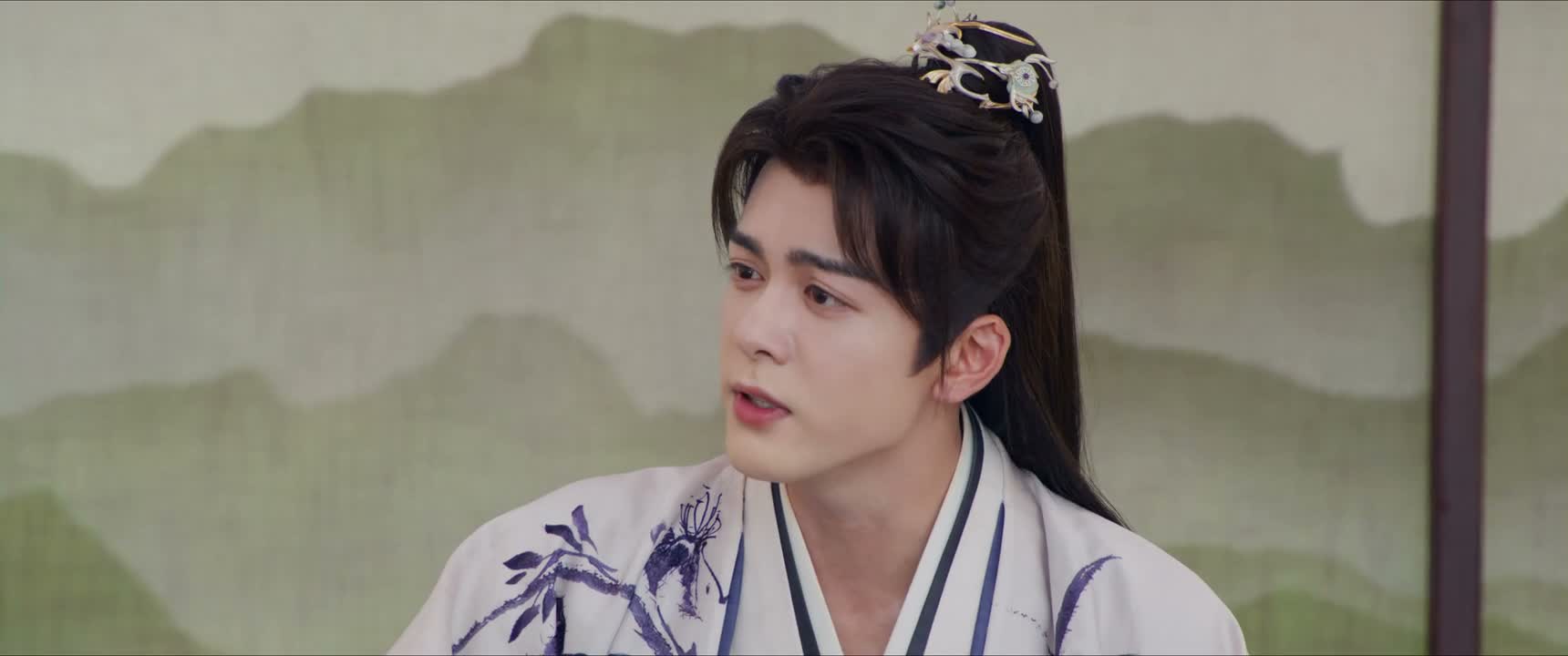
《Echoes of a Thousand Moons》 S1·E10 (31:22)
HSK 2
wèn tí jiù chū zài nǐ shēn shàng
问题就出在你身上
“The problem is with you.”
《Echoes of a Thousand Moons》
S1·E10
TIMECODE: 31:22
·
1080P MASTER AUDIO
THE DIALOGUE REEL
wèn tí jiù chū zài nǐ shēn shàng
CURRENT FOCUS
问题就出在 你 身上
“The problem is with you.”
[+1] FOLLOW-UP TURN
zěn me shì wǒ de wèn tí a míng míng shì nǐ de wèn tí
“How is it my problem? It's clearly your problem.”
Subtitles synced to millisecond timecode
Browse Show Clips →
Scene:
Crisis & Conflict
Function:
BLAMING
Tone:
ACCUSATORY
Emotion:
FRUSTRATION
WHAT THEY REALLY MEAN (PRAGMATIC SUBTEXT)
“Do not say 'we' have it hard; this entire mess is your fault.”
💡 Cultural Insight: Scapegoating and Direct Blame
Directly telling someone 'the issue is on you' breaks polite face-saving norms and signals severe interpersonal friction or an ongoing argument.
INTENT TAGS:
#blaming
#accusation
#deflection
#confrontation
🧩
2 CHUNKS · 0 PARTICLES
LEARNING CHUNKS & PARTICLES
出在……身上
SPOKEN CHUNK
lie with [someone]; be [someone's] fault
Used to pinpoint the exact person or entity responsible for a flaw, mistake, or breakdown.
问题就出在
SPOKEN CHUNK
the problem lies precisely in...
Used to introduce the diagnosed root cause of an issue decisively.
🏮
1 EXPR · 1 GRAMMAR
VOCABULARY & EXPRESSIONS
COLLOQUIAL EXPRESSIONS:
GRAMMAR BLUEPRINTS:
CROSS-CINEMA CORPUS BOARD · PARALLEL SCENES
EXPLORE BY SEMANTIC SIMILARITY
Parallel Spoken Cinema Scenes (语义近邻切片)
《Echoes of a Thousand Moons》 S1·E10 (31:22) · Authentic Cinema Dialogue Corpus