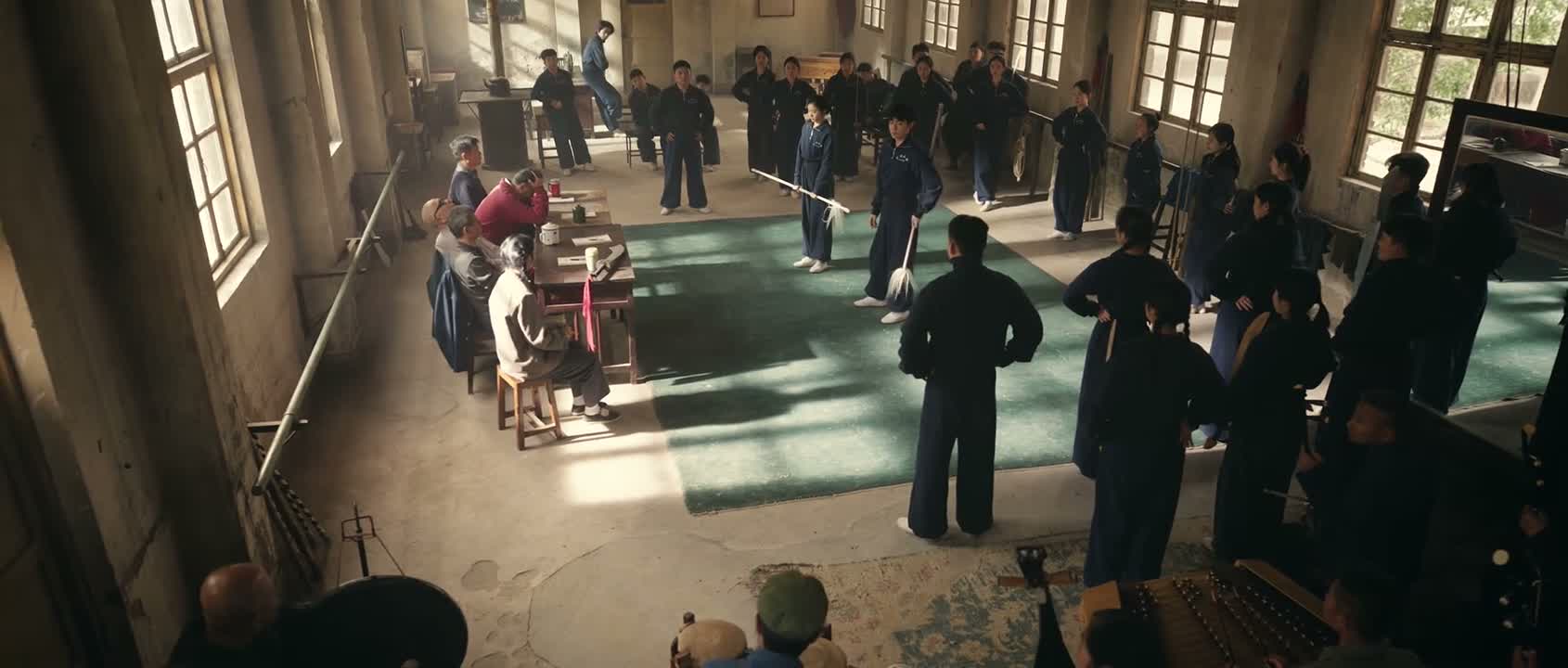
怎么是我的问题啊 明明是你的问题
“How is it my problem? It's clearly your problem.”
THE DIALOGUE REEL
怎么是我 的 问题 啊 明明是你 的 问题
“How is it my problem? It's clearly your problem.”
怎么是我的问题
“How is it my problem?”
Direct spoken expression in this communicative setting.
While indirect communication is valued in formal Chinese settings, close relations often experience blunt and unfiltered disputes over personal accountability.
LEARNING CHUNKS & PARTICLES
how come it is / why is it
Used in spoken Chinese to introduce a rhetorical question challenging someone's premise.
obviously is / clearly is
Use this pattern when asserting an undeniable fact that contradicts someone else's false claim.
Adds emotional intensity and exasperation to the rhetorical protest.
VOCABULARY & EXPRESSIONS
Parallel Spoken Cinema Scenes (语义近邻切片)

“your problem is my problem.”

“or just me. I can't figure it out.”

“It's my problem. How is it your problem?”

“That becomes my problem to solve.”

“It's my fault.”
“That's not on me, right?”