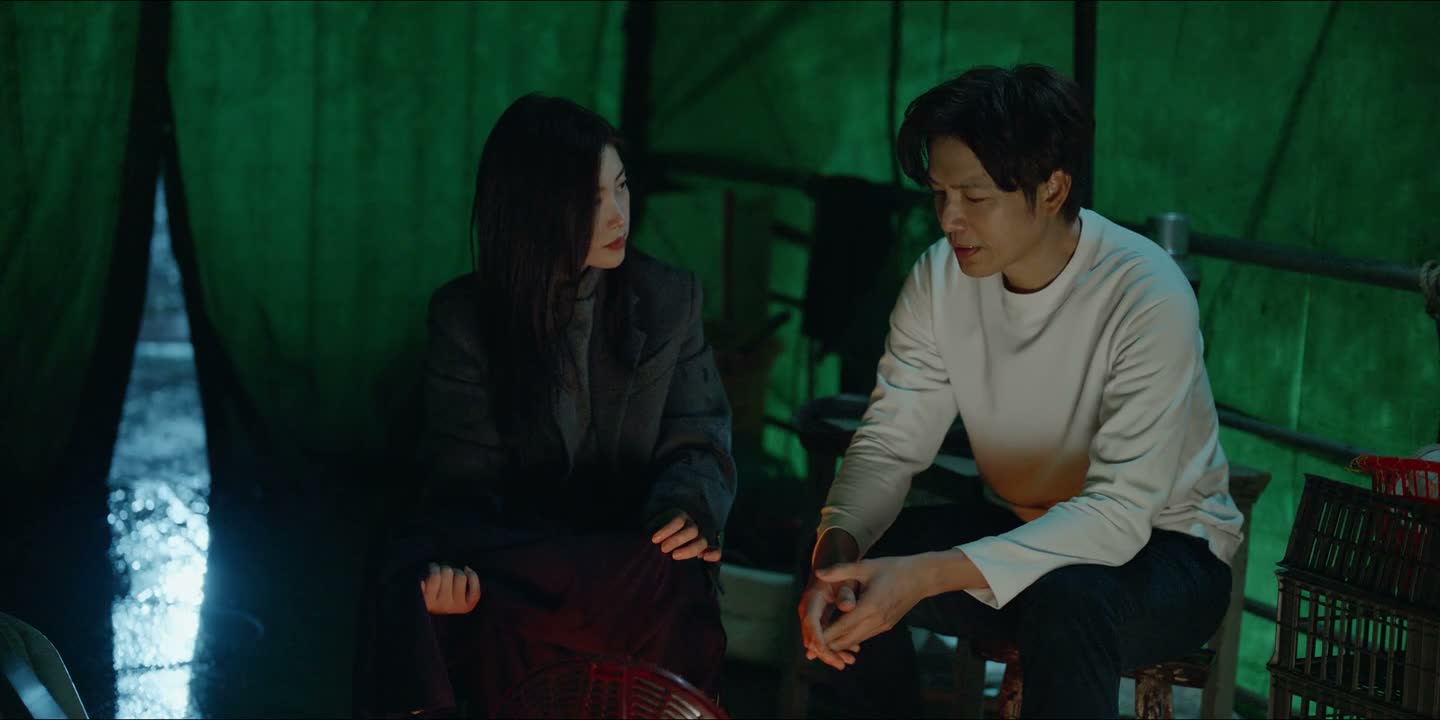
我没想喊 你怎么会不想喊呢 到时候你肯定想喊的
“I don't want to shout. How could you not want that? You'll want to shout by then.”
THE DIALOGUE REEL
“You can shout as loud as you want. You'll enjoy it.”
我没想喊 你 怎么会不想 喊 呢 到时候 你 肯定 想喊的
“I don't want to shout. How could you not want that? You'll want to shout by then.”
走吧 走吧 走
“Come on. Let's go. Come on.”
“Quit acting so composed; I know you will be screaming your head off once we get started.”
Close friends in Chinese culture often use teasing overstatements to dissolve polite reserve, urging peers to abandon social restraint and have genuine fun.
LEARNING CHUNKS & PARTICLES
when the time comes / when it happens
Extremely common conversational discourse marker for referring to a future moment when a situation unfolds.
how could you / why would you
Rhetorical question pattern expressing mild incredulity, surprise, or playful teasing.
Softens the rhetorical question while adding a playful, puzzled overtone.
Serves as an assertive modal particle at the end of the clause emphasizing strong conviction about the future outcome.
VOCABULARY & EXPRESSIONS
Parallel Spoken Cinema Scenes (语义近邻切片)

“You can shout as loud as you want. You'll enjoy it.”
“I yelled at you without thinking.”

“- How? - I'm in a hurry.”

“Shout? Why should I shout?”

“Why are you shouting? You have no manners at all.”

“You don't. Why aren't you saying anything? You can't talk.”