队长走得不明不白 这是他的果吗
“The Captain died mysteriously. Is this his karma?”
THE DIALOGUE REEL
“That is our karma. What do you mean by that?”
队长走得 不明不白 这是他的果吗
“The Captain died mysteriously. Is this his karma?”
老韩
“Han,”
“Do not brush off his unexplained death as mere fate—he was wronged, and we need the truth.”
While traditional Buddhist and folk beliefs emphasize 'yinguo' (karmic cause and effect) to explain misfortune, invoking it can feel offensive or callous when someone dies under suspicious circumstances.
LEARNING CHUNKS & PARTICLES
unexplained, dubious, or mysterious
A common idiom used to describe dubious deaths, disappearances, or murky financial situations.
cause and effect; karmic retribution
Frequently invoked in Chinese culture to discuss fate, justice, and the moral consequences of past actions.
Transforms the statement into a rhetorical question loaded with indignation.
VOCABULARY & EXPRESSIONS
Parallel Spoken Cinema Scenes (语义近邻切片)

“About Captain's case, it hasn't been cleared up yet.”
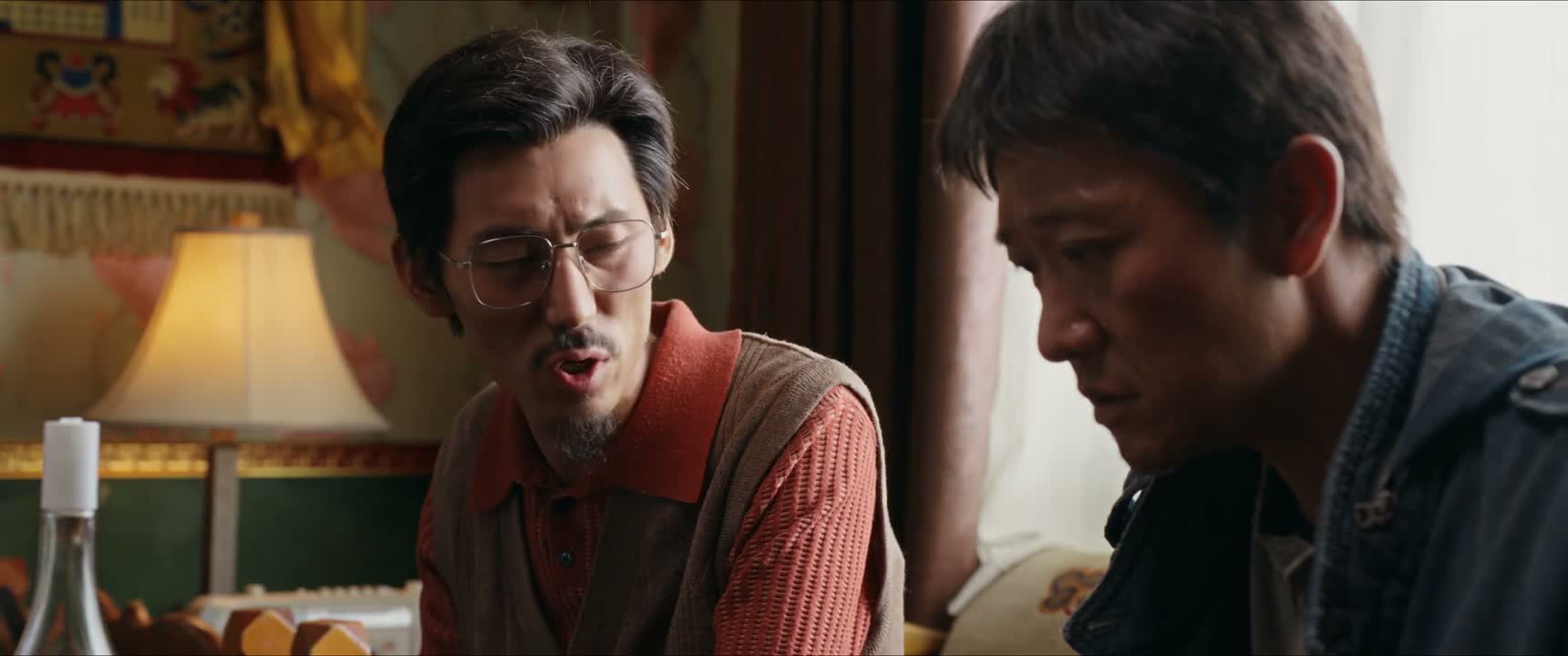
“He has been missing for 17 years.”

“Captain Tie, he keeps circling back.”

“Captain, lead the team. Run laps.”

“But the information they provided had nothing to do with Captain's disappearance.”

“you could solve the Captain's case that everyone followed you to do this?”