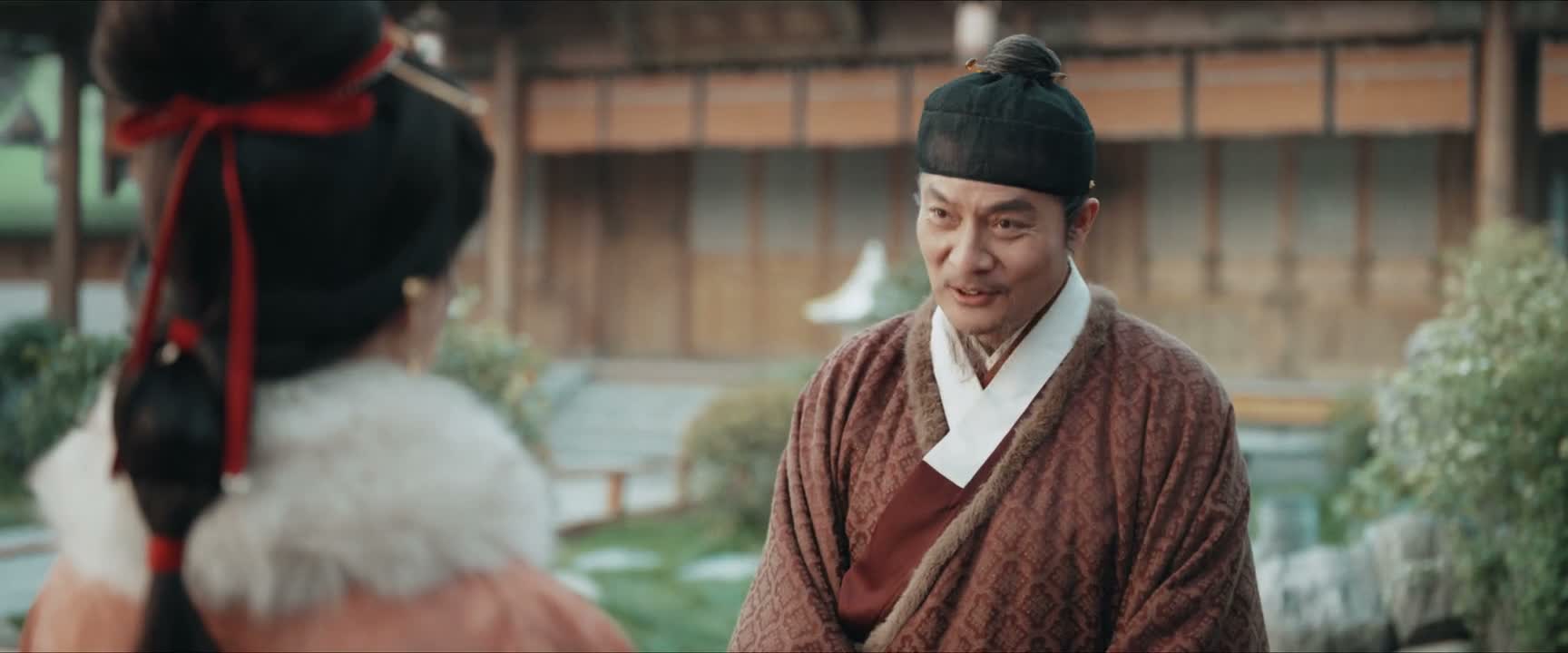
没人的地方给埋了 他倒好
“I told him to find a deserted place to bury them. And what did he do?”
THE DIALOGUE REEL
“He wouldn't admit it. I told him to find a deserted place to bury them.”
没人 的地方给埋了 他倒好
“I told him to find a deserted place to bury them. And what did he do?”
这是纯粹打击报复
“This is pure retaliation.”
“I told him to get rid of it quietly, but he turned around and completely screwed us over.”
The marker 倒好 is frequently used in Chinese spoken narratives to convey sharp irony or grievance against someone who acted contrary to mutual benefit or explicit agreements.
LEARNING CHUNKS & PARTICLES
a deserted place / nowhere with people around
A common descriptive noun phrase used when referring to isolated or private spots.
he, on the contrary, / but he had the nerve to
Used colloquially to criticize someone for acting contrarily, selfishly, or in a way that disrupts expectations.
Marks the completed disposal action (埋了) embedded within the reported instruction.
VOCABULARY & EXPRESSIONS
Parallel Spoken Cinema Scenes (语义近邻切片)

“if a place holds no one you care about, you won't stay, no matter how nice it is.”

“Find some place where no one knows you and live a peaceful life.”

“He's not here? Please understand.”

“No one here! There's no one here!”
“It seems they really have no successor.”

“No.”