他 他打死不承认 我让他找个没
“He wouldn't admit it. I told him to find a deserted place to bury them.”
THE DIALOGUE REEL
完事后 我还问他是不是让她们吸毒了
“Afterwards, I even asked him if he'd given them drugs.”
他 他 打死不承认 我让他找个没
“He wouldn't admit it. I told him to find a deserted place to bury them.”
“I told him to find a deserted place to bury them. And what did he do?”
Direct spoken expression in this communicative setting.
Expressions with '打死' (literally 'beaten to death') are common colloquial hyperboles in Chinese denoting absolute determination or stubborn refusal.
LEARNING CHUNKS & PARTICLES
refuse to admit something even upon pain of death / stubbornly deny
A vivid colloquial idiom describing an absolute, obstinate refusal to confess or acknowledge guilt.
find a deserted place / find somewhere uninhabited
Commonly used in storytelling or suspenseful contexts to refer to secluded locations.
VOCABULARY & EXPRESSIONS
Parallel Spoken Cinema Scenes (语义近邻切片)
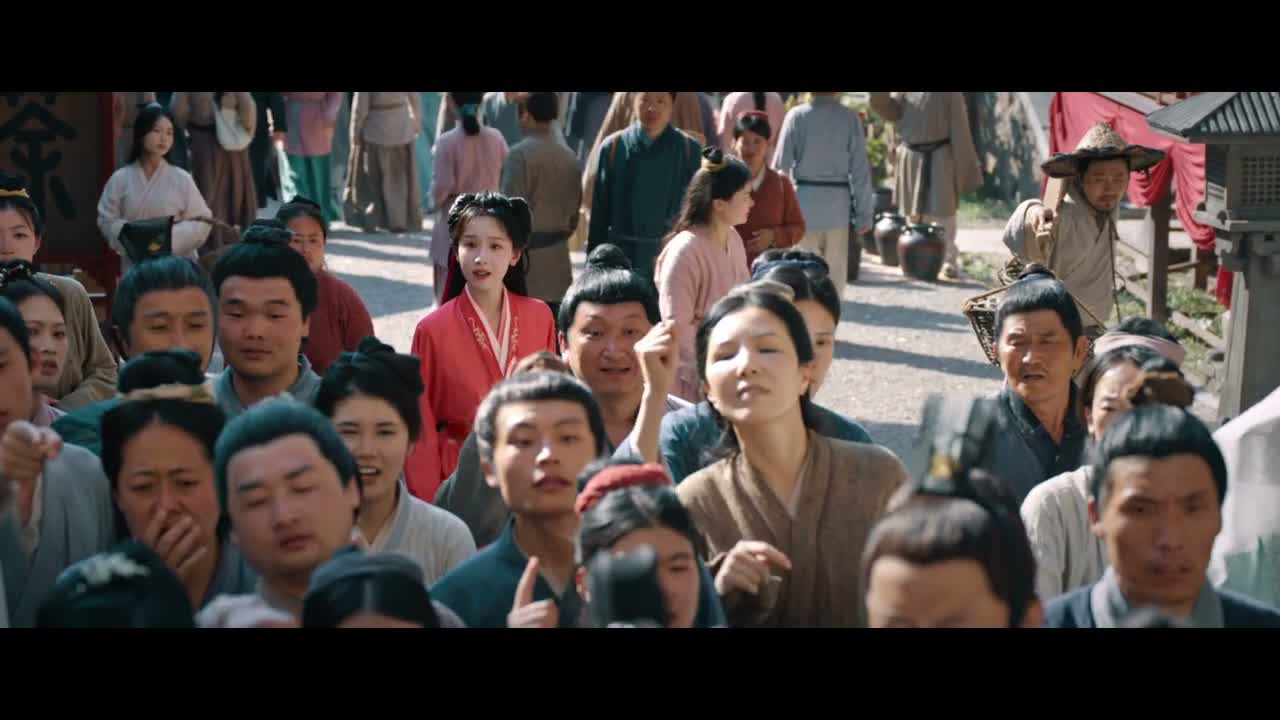
“Beat him! Kill him! - Beat him! - Excuse me.”

“You never beat him or tell him off, but you beat me and tell me off all the time.”

“He had no idea I was using him to get information. If you want to punish someone,”

“He... he actually turned traitor to save himself.”

“I don't want to say a single word about him.”

“we just deny the rumors outright?”