我离这么远怎么撞你啊
“How could I have bumped into you from so far away?”
THE DIALOGUE REEL
我才撞到您的
“and that's why I bumped into you.”
我离这么远 怎么 撞你 啊
“How could I have bumped into you from so far away?”
“Didn't you just nudge me with your elbow”
“Stop blaming me for your own clumsiness; I could not possibly have hit you.”
Using rhetorical questions with '怎么' (how could...) is a standard Chinese dispute tactic to immediately invalidate an opponent's accusation in public altercations.
LEARNING CHUNKS & PARTICLES
standing this far away / being so far apart
Commonly used to emphasize physical distance when refuting physical contact or proximity.
how could I bump into you
A rhetorical question pattern used to deny an action by showing its impossibility.
Heightens the rhetorical tone and expresses indignation or impatience at the false accusation.
VOCABULARY & EXPRESSIONS
Parallel Spoken Cinema Scenes (语义近邻切片)

“What if they'd actually crashed? He definitely did it on purpose.”

“You walked right into it yourself.”

“So stay away from me.”
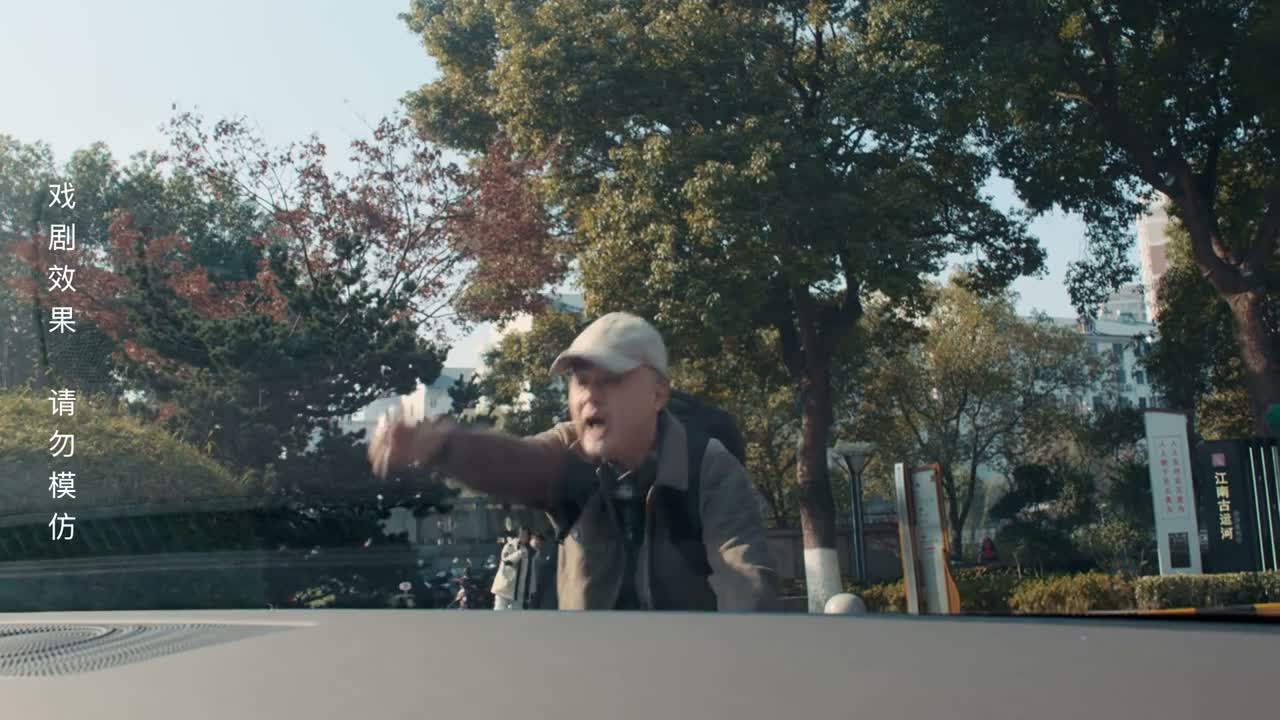
“You're actually trying to run me over?!”

“It was you who bumped into me first, causing me to accidentally break these.”

“Please don't come any closer. You might get hit by a car.”