担不起这么大一顶帽子
“I cannot bear such a heavy accusation.”
THE DIALOGUE REEL
只可惜下官位卑言轻 只是奉命行事罢了
“It's a pity that I hold little weight. I am merely acting on orders.”
担不起 这么大 一顶帽子
“I cannot bear such a heavy accusation.”
“This mansion carries heavy sins of bloodshed,”
“Do not try to pin this massive crime on me; I am not taking the fall.”
In Chinese discourse, 'wearing a big hat' metaphorically means being saddled with an exaggerated ideological, moral, or criminal charge.
LEARNING CHUNKS & PARTICLES
cannot bear / cannot afford to take the blame for
Used to decline responsibilities, honors, or serious accusations that exceed one's capacity or status.
labeling someone / pinning an accusation on someone
Derived from the metaphor of putting a hat on someone's head, meaning to brand someone unfairly with a crime or label.
VOCABULARY & EXPRESSIONS
Parallel Spoken Cinema Scenes (语义近邻切片)

“I won't let you pin that label on me. I can't take it.”
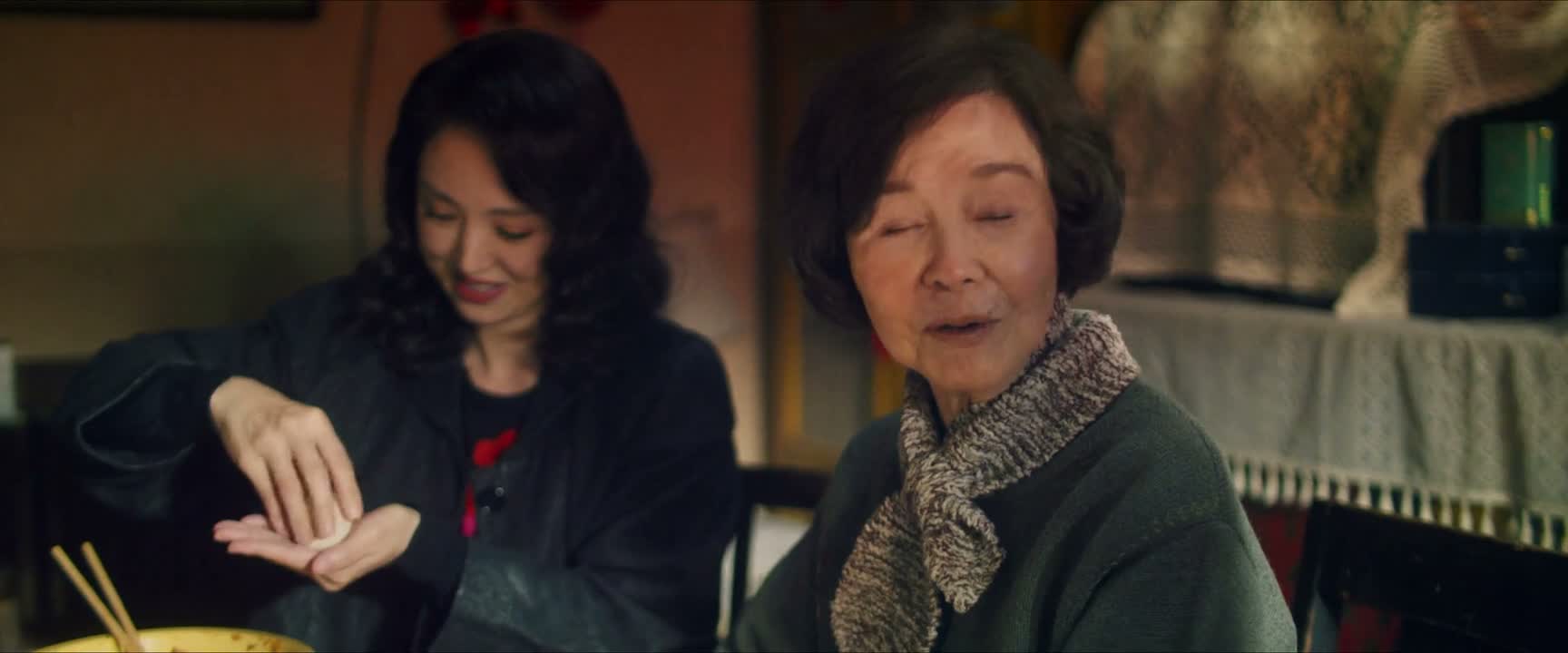
“Don't flatter me.”

“Do not flatter me like that. I can't take that.”