腿脚不便的人 还会经常出门吗
“Would someone with trouble walking leave the house so often?”
THE DIALOGUE REEL
“Why do I never get to see him?”
腿脚不便 的人 还会经常出门吗
“Would someone with trouble walking leave the house so often?”
殿下应是一直在府的 我瞧他这几日 都在书斋呢
“He should have been at home all this time. I notice he's been in the study these past few days,”
“Since he can't walk well, it makes no sense that he is never around.”
Using 'tui jiao bu bian' (inconvenient legs and feet) reflects the Chinese linguistic preference for tactful and gentle phrasing regarding bodily ailments.
LEARNING CHUNKS & PARTICLES
having difficulty walking; having impaired mobility
A polite, standard euphemism used to describe physical mobility limitations without sounding offensive.
frequently go outside
A standard collocated phrase describing habits of going outdoors or leaving the house.
Converts the statement into a standard rhetorical or inquisitive yes-no question.
VOCABULARY & EXPRESSIONS
Parallel Spoken Cinema Scenes (语义近邻切片)
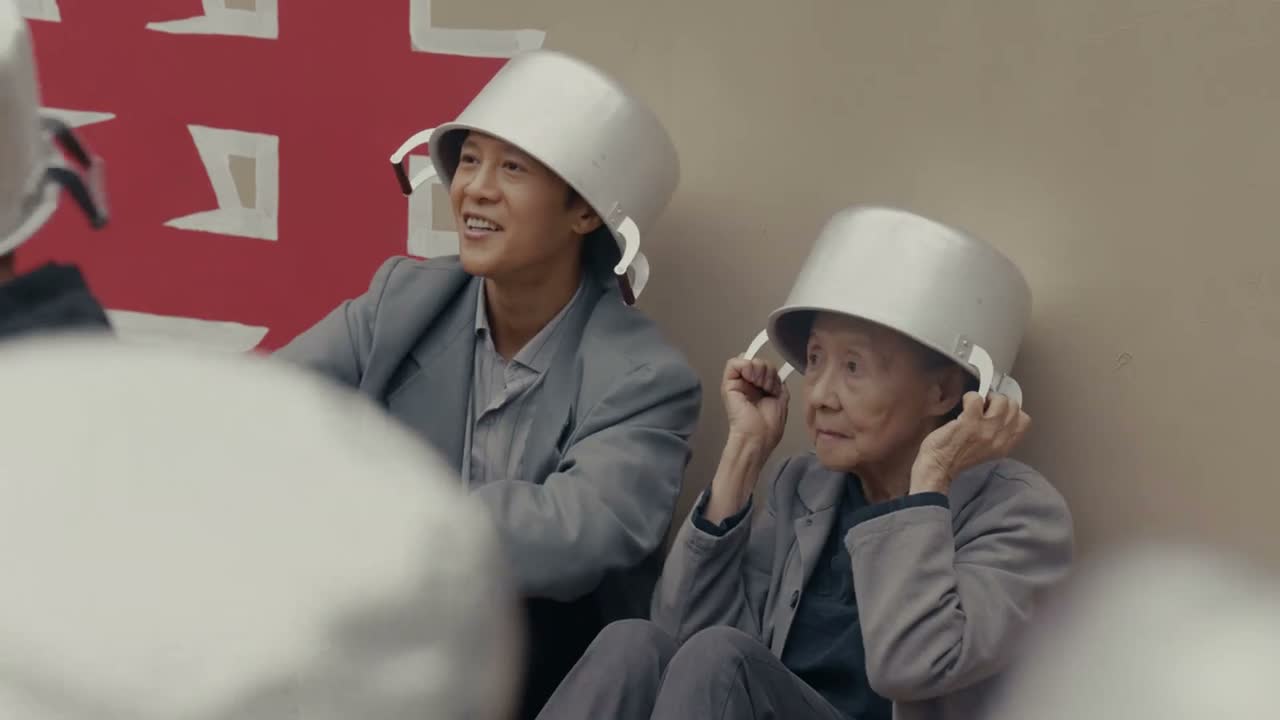
“- who's been disabled in both legs - That's you! with mobility issues.”

“We can't just rely on people with leg issues coming to you.”

“He even needs someone to help him walk.”

“Your leg condition has been neglected too long. It needs breaking and resetting.”

“I'm afraid I'm tied up here.”

“I can still walk.”