我们想游到对岸
“we wanted to swim to the other shore, ♪ And say, as if it's nothing, "How have you been lately?" ♪”
THE DIALOGUE REEL
刚回来的时候
“♪ I hide all my thoughts in the old phone ♪ When we first came back,”
我们想 游到对岸
“we wanted to swim to the other shore, ♪ And say, as if it's nothing, "How have you been lately?" ♪”
“♪ And say, as if it's nothing, "How have you been lately?" ♪ but before long, a wave pushed us back.”
Direct spoken expression in this communicative setting.
Crossing to the opposite shore is a common metaphor in Chinese for striving toward success, a breakthrough, or a new phase in life.
LEARNING CHUNKS & PARTICLES
swim to the opposite shore
Can be used literally or metaphorically to mean reaching a destination or overcoming an obstacle.
VOCABULARY & EXPRESSIONS
Parallel Spoken Cinema Scenes (语义近邻切片)
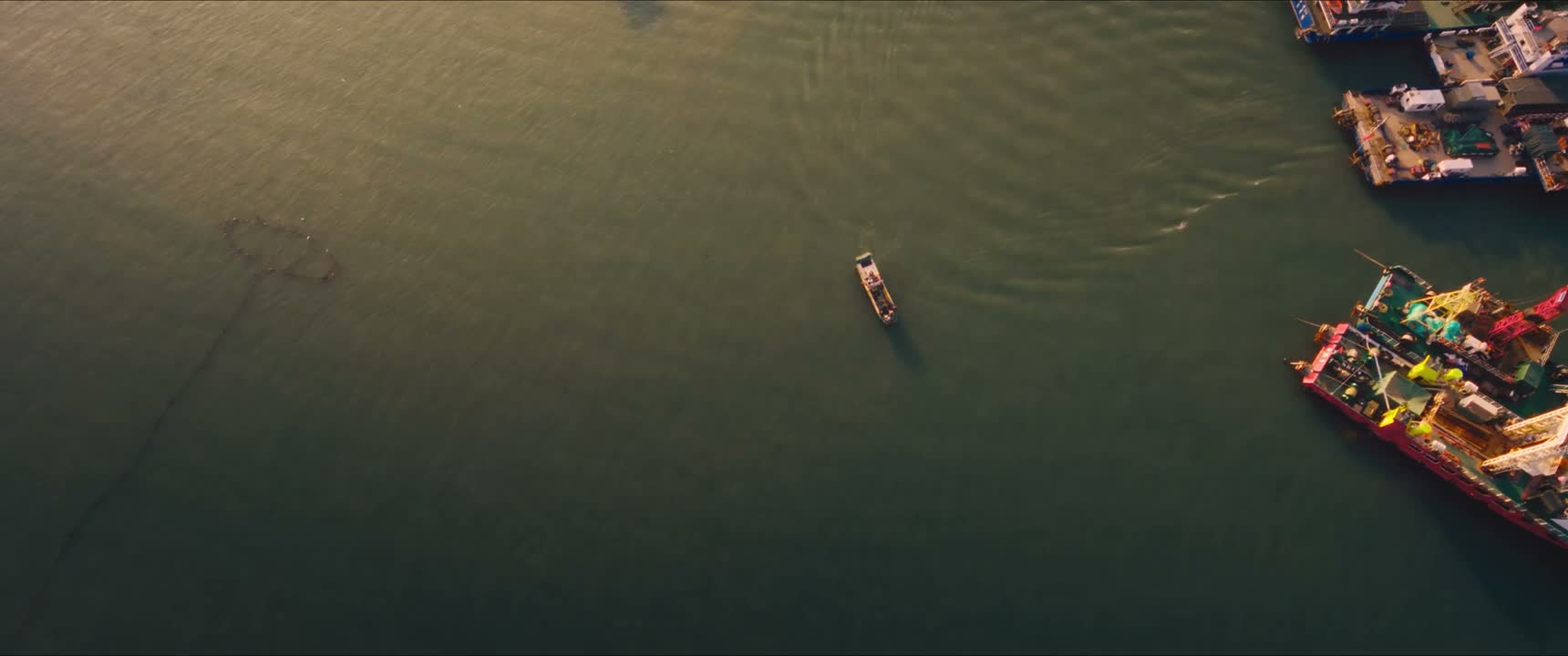
“We couldn't have reached the shore.”

“Because he thought they could swim wherever they wanted.”

“Didn't you say you wanted to see the other side of the bridge?”

“can you detour to the boat going to Shanghai?”

“[Next Episode] you can still make it to the pier.”

“you can still make it to the pier.”