你娘还能日日埋怨他吗
“would I complain about him every day?”
THE DIALOGUE REEL
“If he really knew how to be romantic,”
你娘还能日日 埋怨 他吗
“would I complain about him every day?”
娘 您可知道 祯娘要寻的那株月老草是什么
“Mother, do you know what the Matchmaker Herb I was looking for is?”
“I only nag because your father is utterly clueless about romance.”
In traditional Chinese domestic life, wives often express unmet emotional needs through persistent complaints about their husband's lack of romantic attentiveness.
LEARNING CHUNKS & PARTICLES
day after day; daily
A slightly literary or rhythmic way to express persistence over time, common in storytelling or emotional emphasis.
to complain; to blame
Use when expressing passive-aggressive or persistent dissatisfaction toward someone close.
Turns the statement into a rhetorical question expecting a negative answer.
VOCABULARY & EXPRESSIONS
Parallel Spoken Cinema Scenes (语义近邻切片)
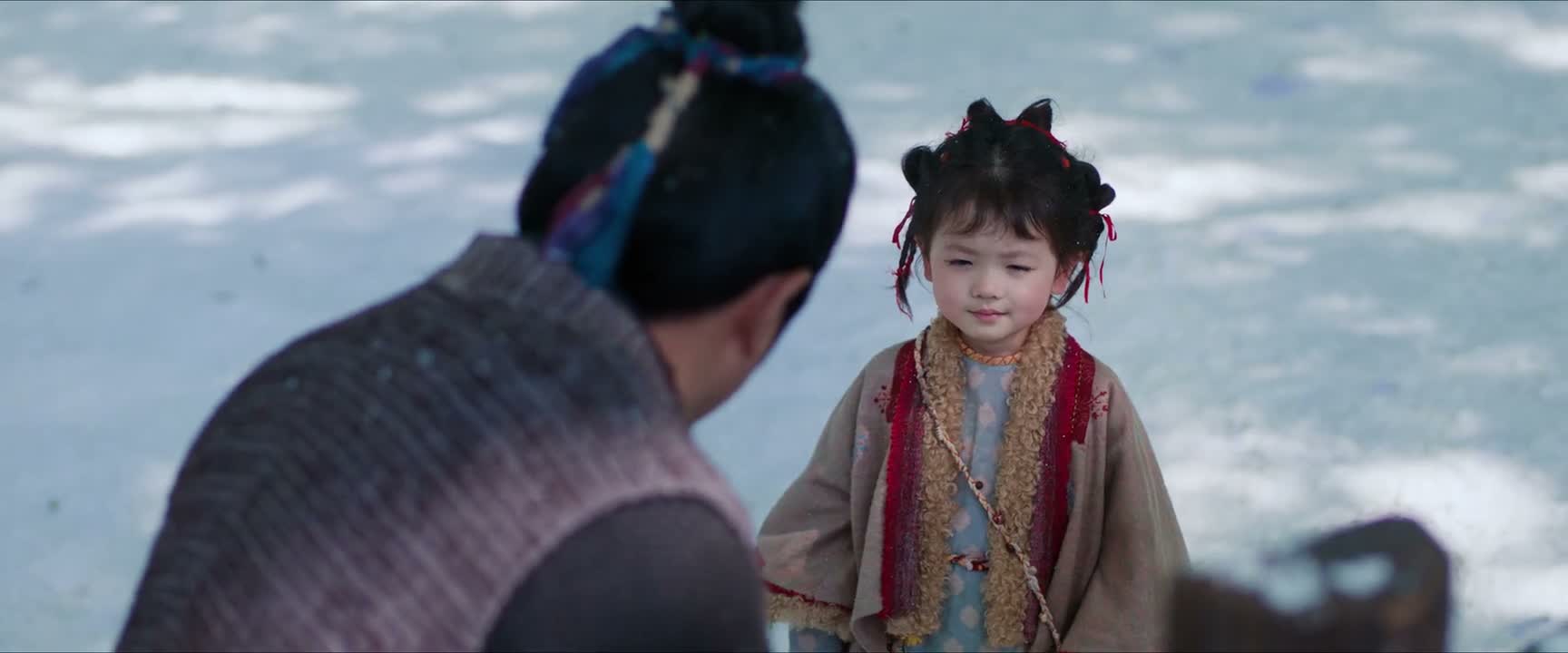
“Or she'll scold both of us.”
“Blaming me, huh? Blame me one more time and...”
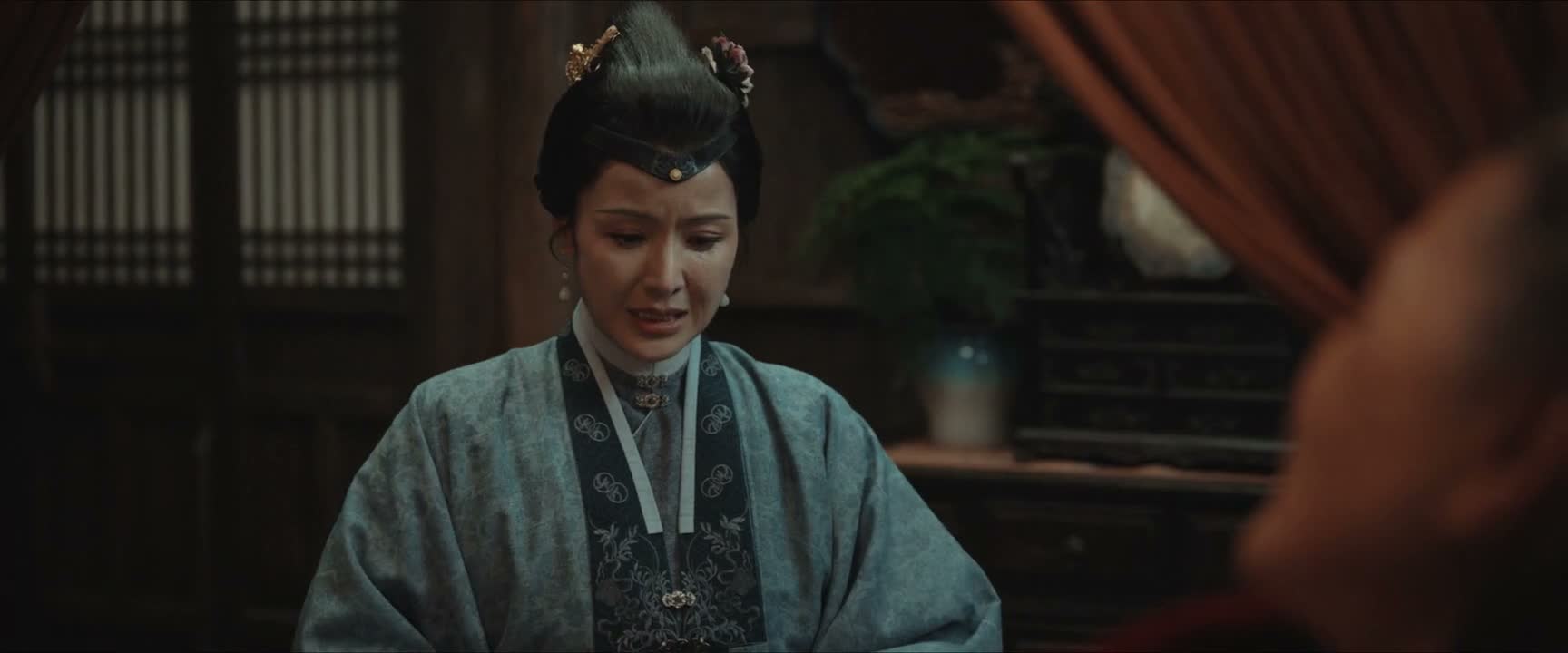
“Please punish me, Mother!”
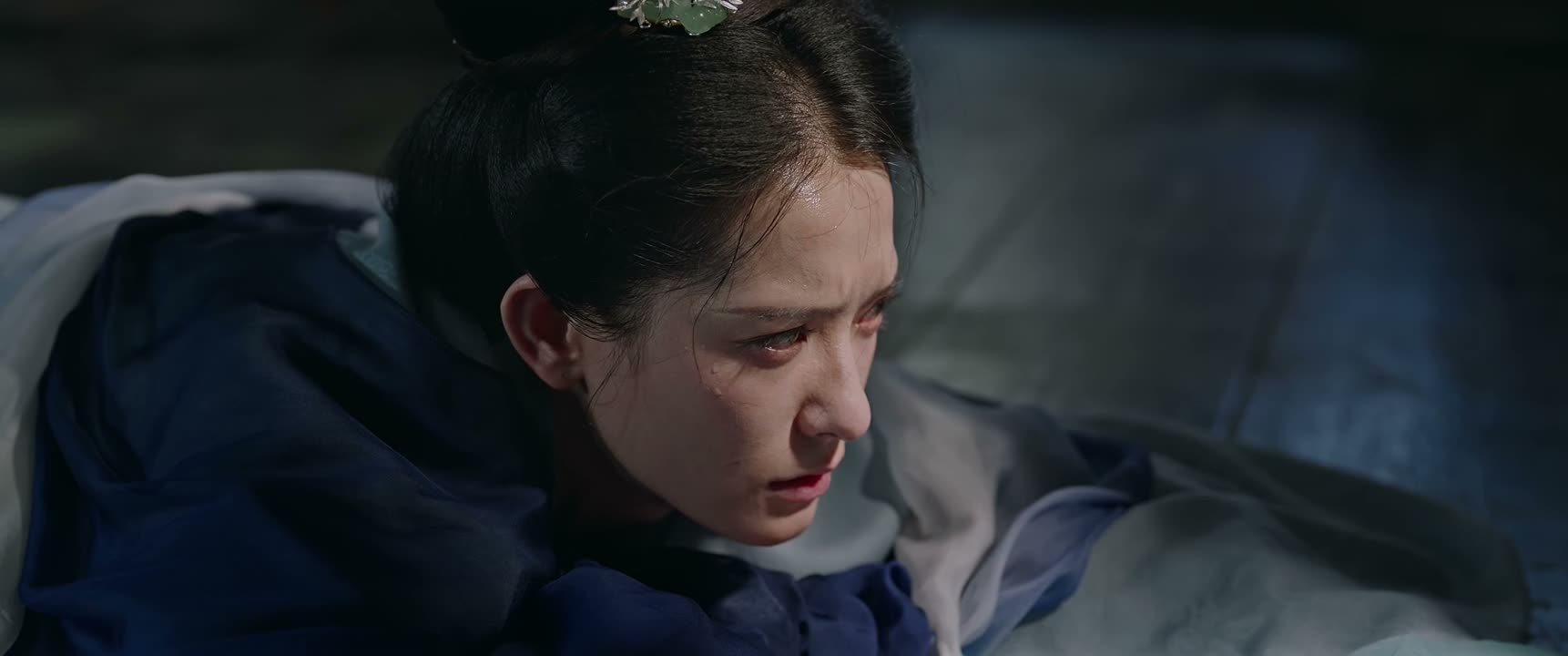
“I have failed him.”

“I already come to see you every day anyway. I'd love to do this.”
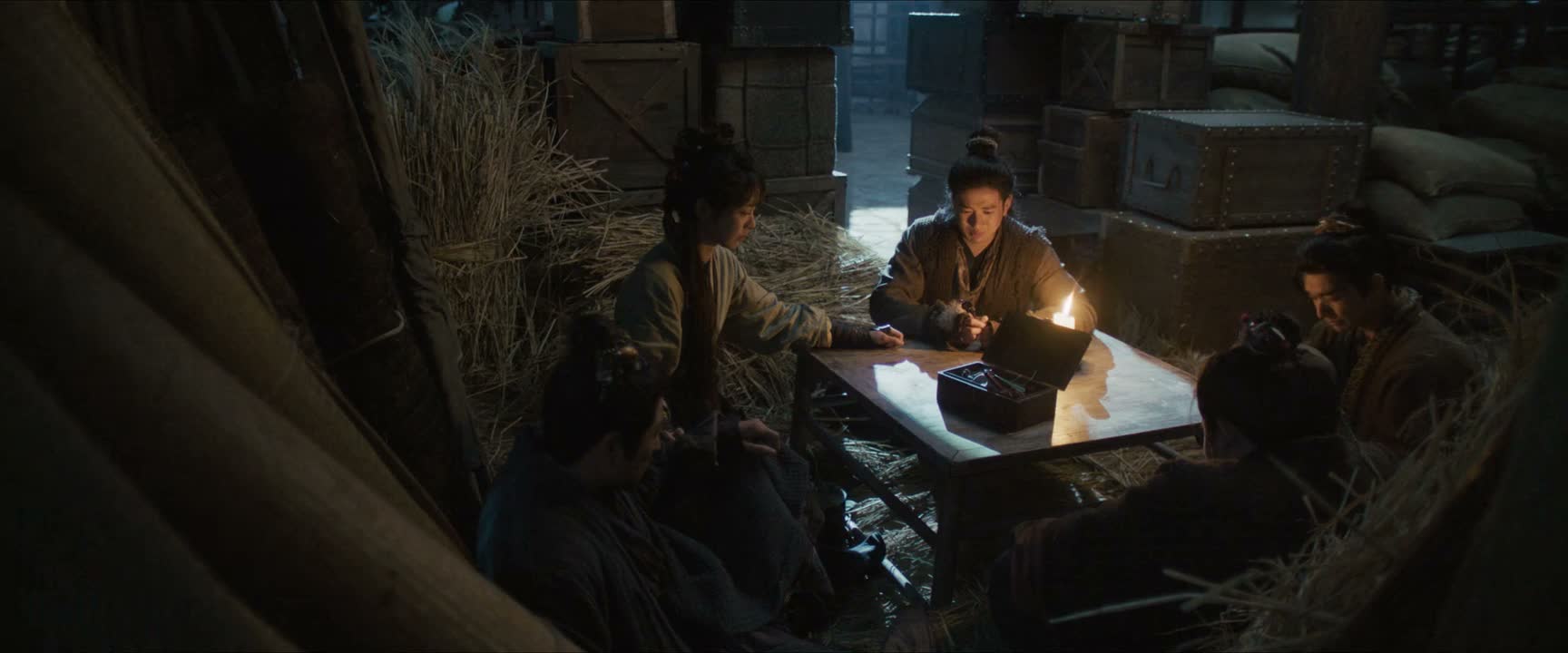
“Now that my mother is gone,”