MC
MandarinClips Cinema Corpus
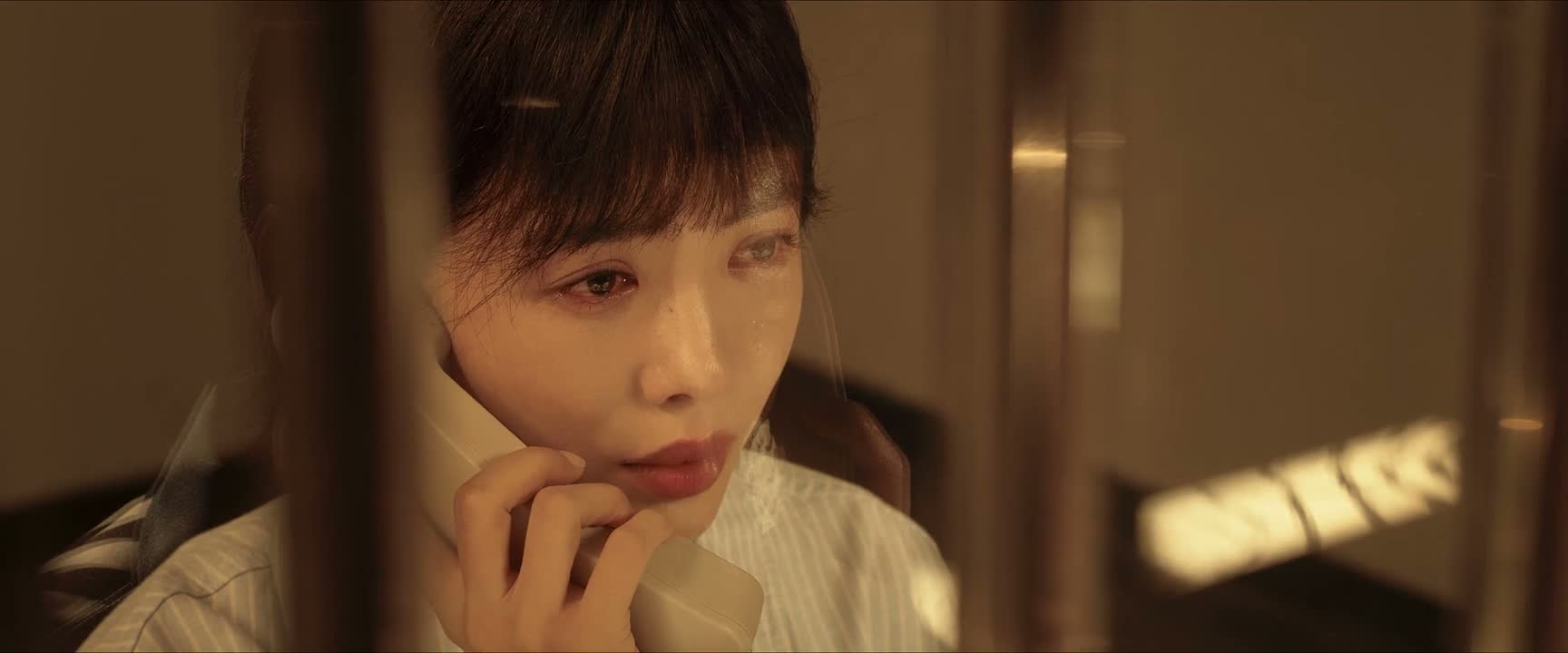
《Light to the Night》 S1·E19 (22:23) HSK 4
wǒ zěn me duì zhè xiē yì diǎn yìn xiàng dōu méi yǒu a ?

我怎么对这些一点印象都没有啊?

“How come I have no memory of any of this?”

《Light to the Night》 S1·E19
TIMECODE: 22:23 · 1080P MASTER AUDIO

THE DIALOGUE REEL

1+1+1 SPOKEN CONTINUITY
[-1] PREVIOUS TURN zǒu le de

走了的

“The living and the gone.”

wǒ zěn me duì zhè xiē yì diǎn yìn xiàng dōu méi yǒu a ? CURRENT FOCUS

我 怎么 对这些 一点印象都没有 啊 ?

“How come I have no memory of any of this?”

[+1] FOLLOW-UP TURN jiù shì zhè tiān

就是这天

“It was that day.”

Subtitles synced to millisecond timecode Browse Show Clips →
Scene: Daily Life
Function: EXPRESSING CONFUSION
Tone: INCREDULOUS
Emotion: CONFUSION
WHAT THEY REALLY MEAN (PRAGMATIC SUBTEXT)
“Are you sure this actually happened? I cannot recall a single detail.”
💡 Cultural Insight: Rhetorical Self-Questioning in Chinese Dialogue

Using 'How come I...' (我怎么……) functions as a polite way to cast doubt on another person's claim by framing the skepticism as one's own memory lapse rather than an outright accusation of falsehood.

INTENT TAGS: #expressing_doubt #memory_retrieval #mild_disbelief #seeking_verification
🧩

LEARNING CHUNKS & PARTICLES

2 CHUNKS · 1 PARTICLES
对……一点印象都没有 SPOKEN CHUNK

to have no recollection or memory of something whatsoever

A highly common fixed pattern used to emphasize that one completely forgets or never knew about a specific matter.

我怎么……啊 SPOKEN CHUNK

how come I... / why on earth do I...

Used in colloquial speech to express subjective surprise, self-doubt, or rhetorical bewilderment.

Modal Particle「啊」 (a) CHANGE OF STATE

Softens the rhetorical question while adding a tone of genuine bewilderment and self-directed disbelief.

🏮

VOCABULARY & EXPRESSIONS

2 EXPR · 2 GRAMMAR
CROSS-CINEMA CORPUS BOARD · PARALLEL SCENES

Parallel Spoken Cinema Scenes (语义近邻切片)

EXPLORE BY SEMANTIC SIMILARITY
《Light to the Night》 S1·E19 (22:23) · Authentic Cinema Dialogue Corpus