男人真的都是长不大的孩子呢
“Men really are boys who never grow up.”
THE DIALOGUE REEL
没想到 田先生还把飞机头 弄到家里当玩具
“I didn't expect Mr. Tian to bring the airplane cockpit home as a toy.”
男人 真的 都 是 长不大的孩子 呢
“Men really are boys who never grow up.”
肥皂厂的事交涉得还算顺利
“The soap factory negotiations went smoothly.”
“Look at him playing with that like an excited kid; men never lose their silly childish side.”
In modern spoken Chinese culture, labeling adult men as 'boys who never grow up' is a common, often endearing trope rather than a severe insult.
LEARNING CHUNKS & PARTICLES
never growing up / perpetually childish
Colloquial idiom frequently used to affectionately or critically describe someone retaining childish habits.
Softens the assertion, giving it an observant, contemplative, and slightly playful nuance.
VOCABULARY & EXPRESSIONS
Parallel Spoken Cinema Scenes (语义近邻切片)
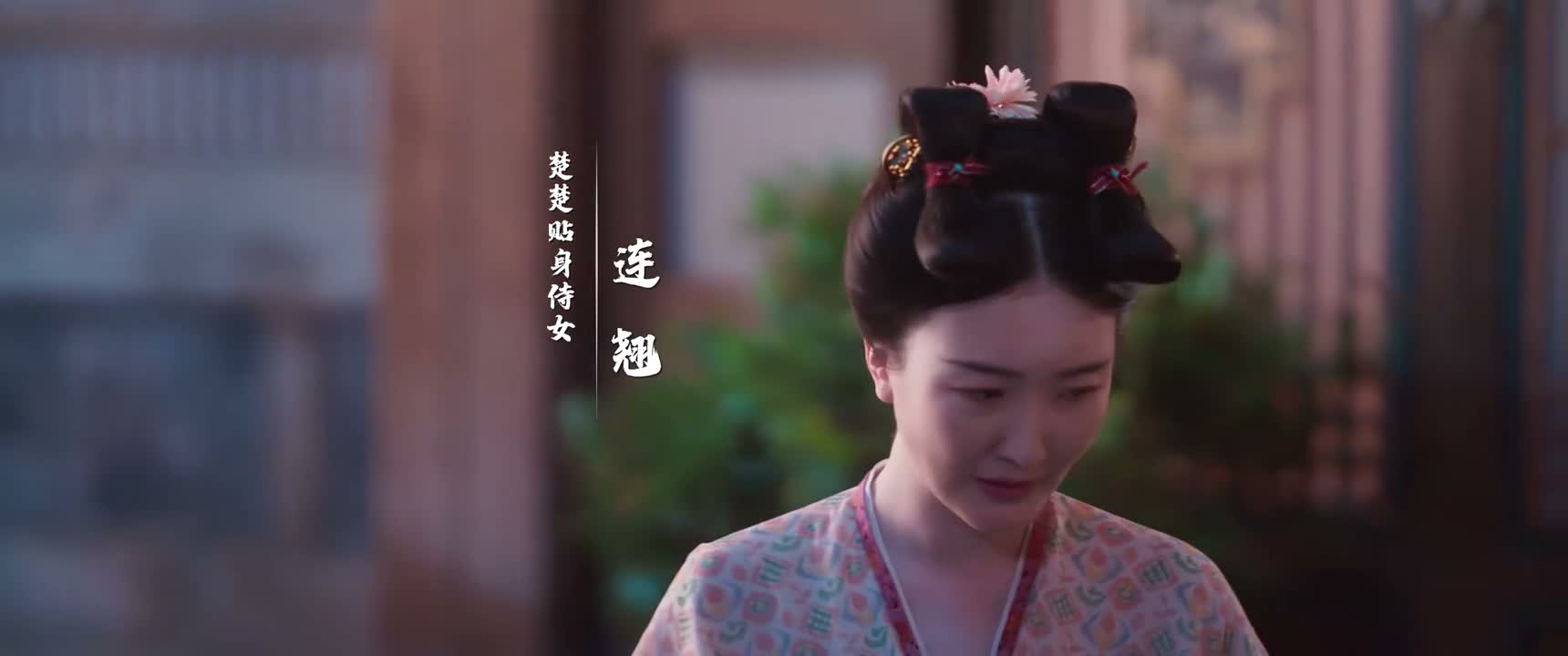
“I'm all grown up now,”
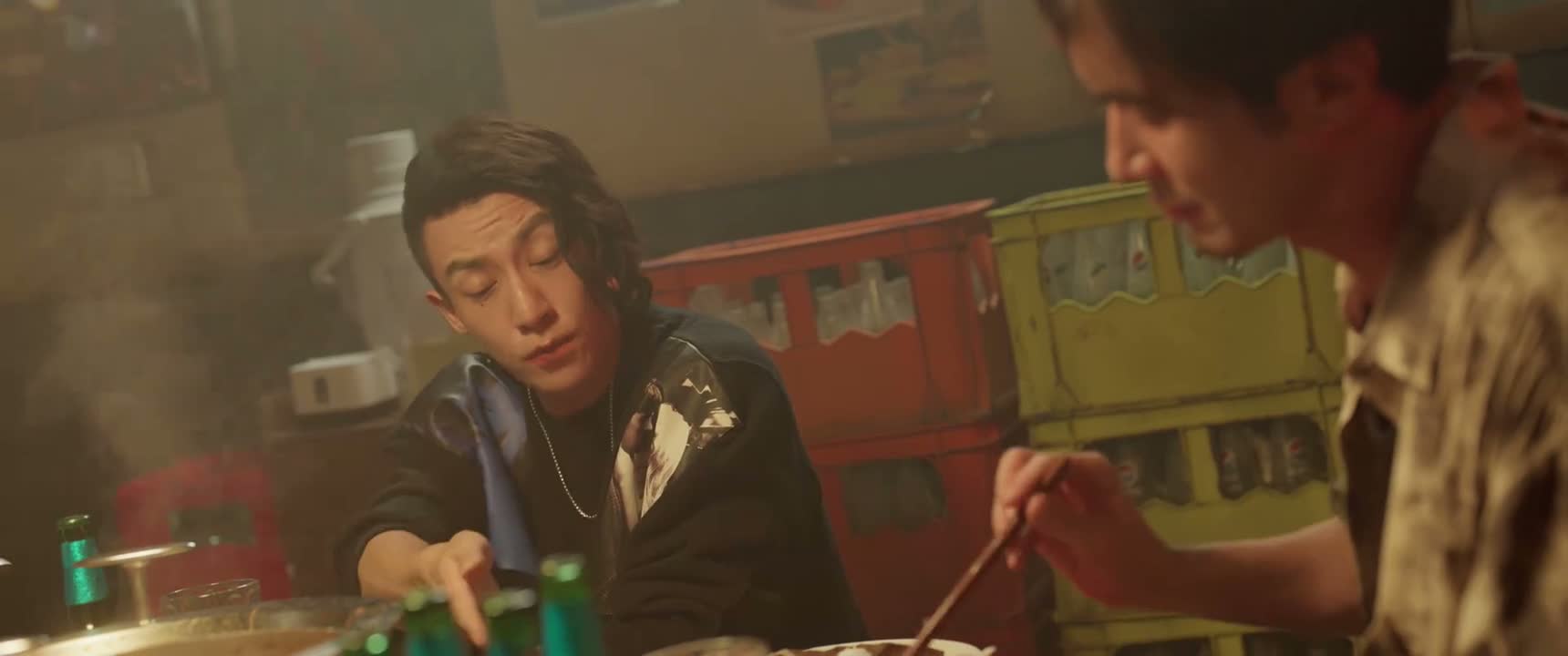
“he's already not very manly.”

“She's all grown up now, yet she's still just as quiet as ever.”
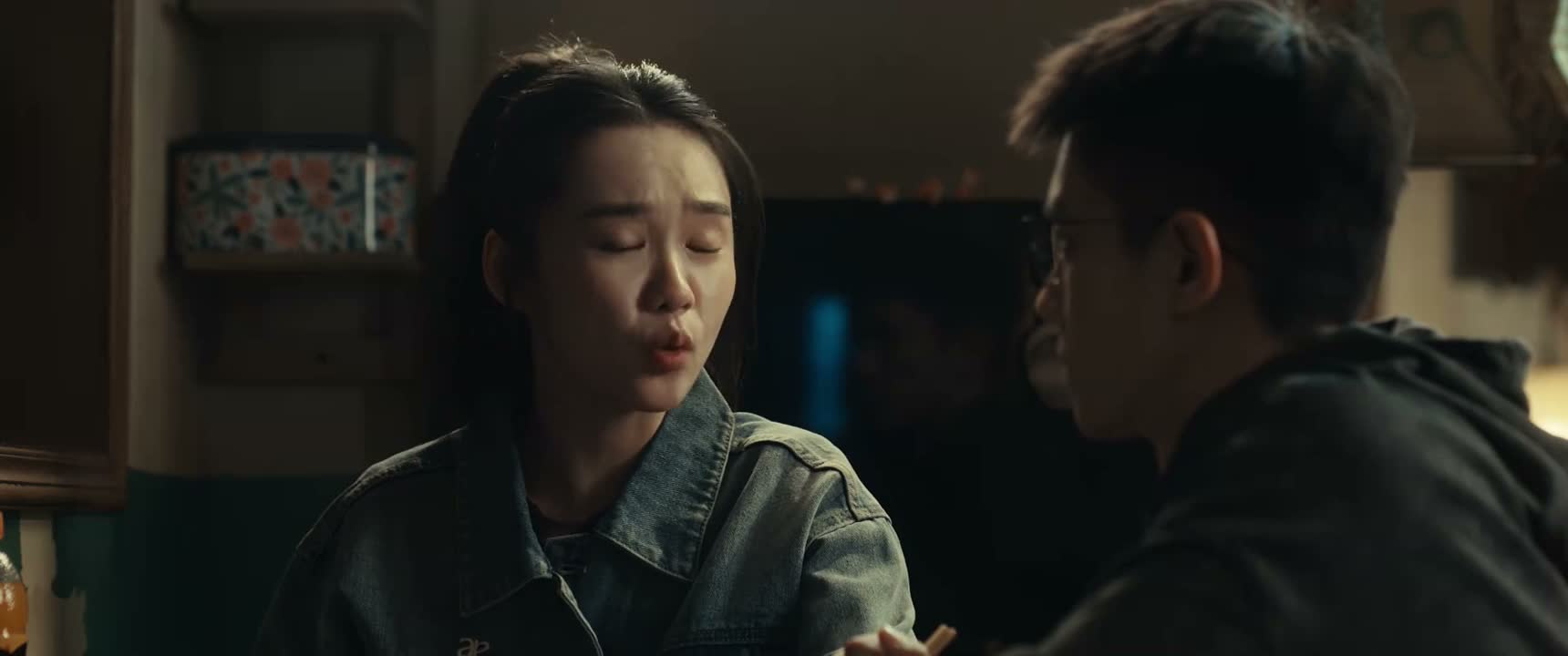
“Life was much harder for us growing up.”

“men are the least reliable creatures.”

“Men should be more magnanimous.”