又谁惹你不开心了?
“Who upset you this time?”
THE DIALOGUE REEL
怎么了?
“What's wrong?”
又谁 惹你不开心 了?
“Who upset you this time?”
娘子
“Your Highness,”
“I can tell you're sulking again—tell me what went wrong so I can comfort you.”
In Chinese intimate dynamics, asking 'who made you unhappy' is a conventional soothing strategy that playfully shifts blame onto outside forces to pamper a sulking partner.
LEARNING CHUNKS & PARTICLES
who provoked/upset you this time
A colloquial pattern used with close friends or partners to gently ask why they are annoyed or pouting.
unhappy, upset, in a bad mood
A widespread spoken term for mild or temporary negative emotions rather than deep clinical sadness.
Indicates a newly emerged emotional change or state of being upset.
VOCABULARY & EXPRESSIONS
Parallel Spoken Cinema Scenes (语义近邻切片)
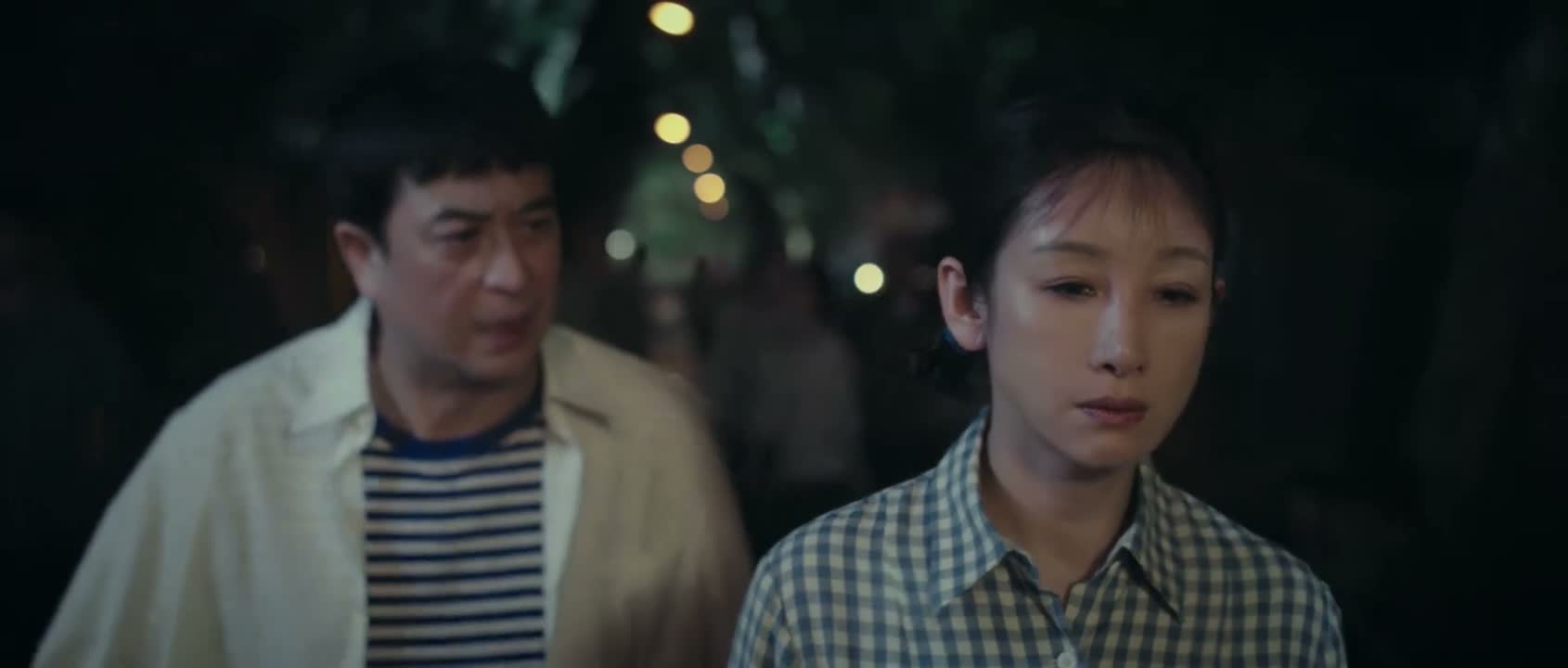
“What's wrong? Who upset you?”
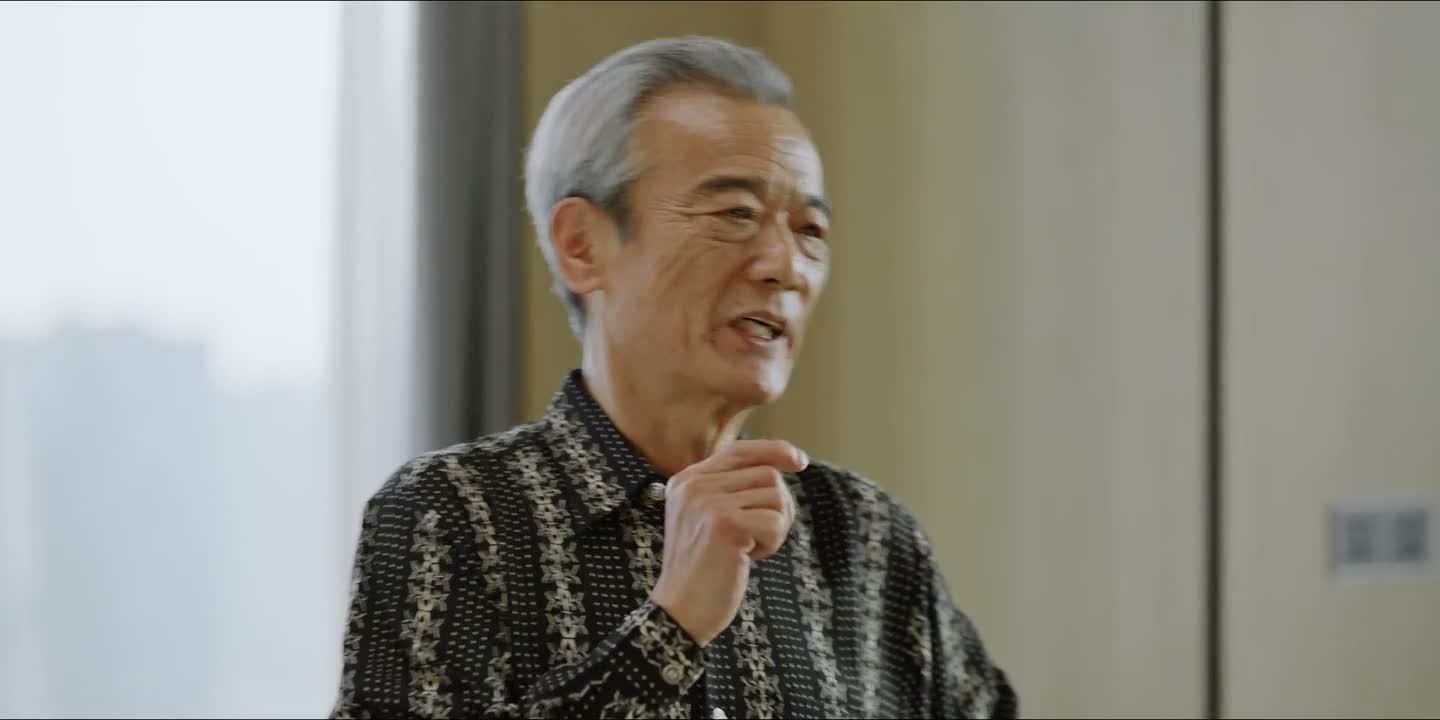
“Who wronged you again?”
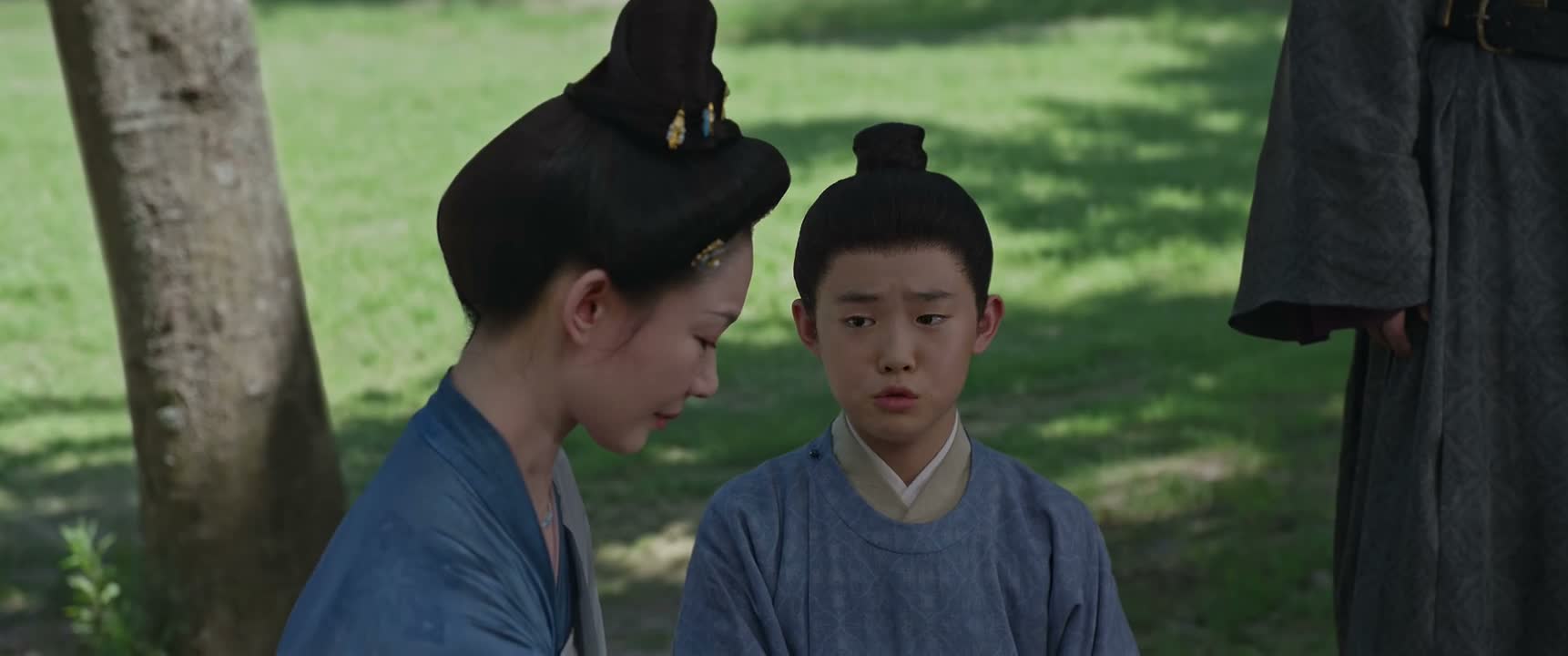
“Why are you still unhappy?”
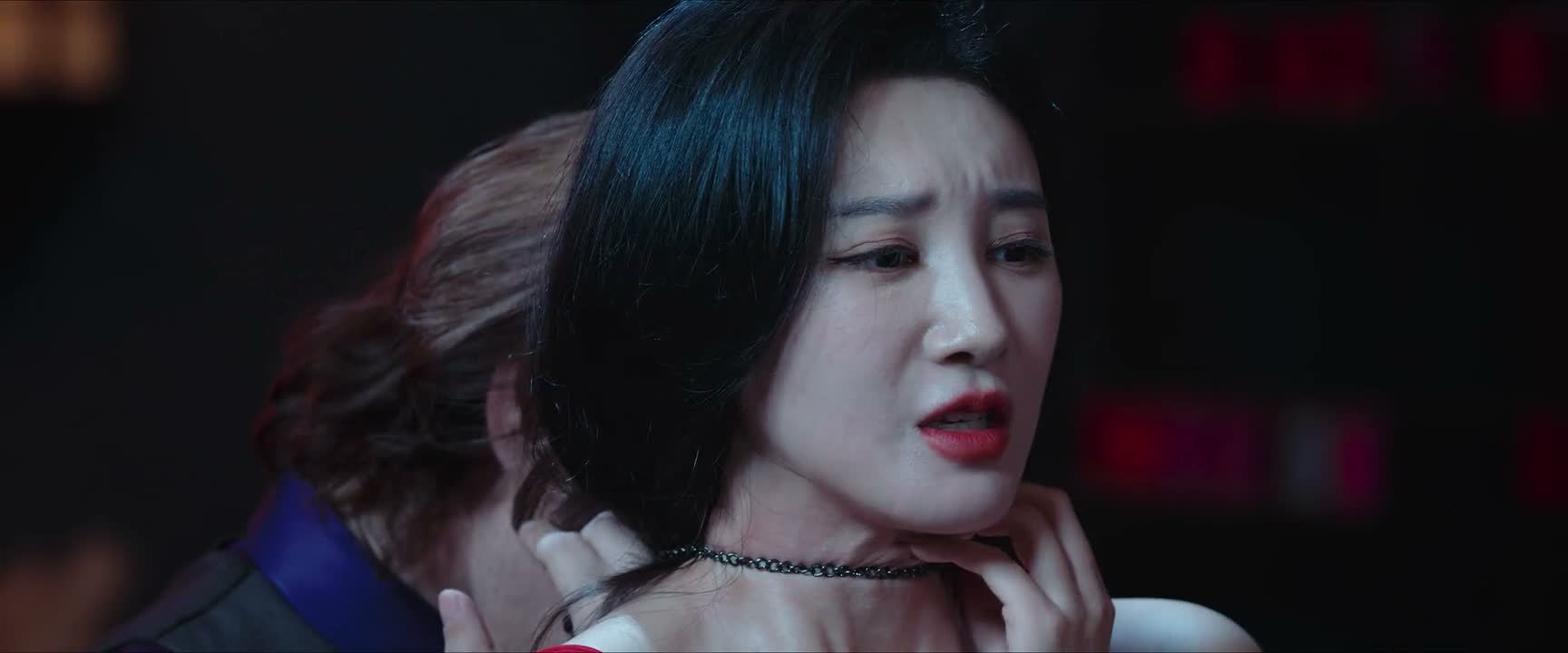
“Did I do something to upset you?”

“Did anyone bully you?”